
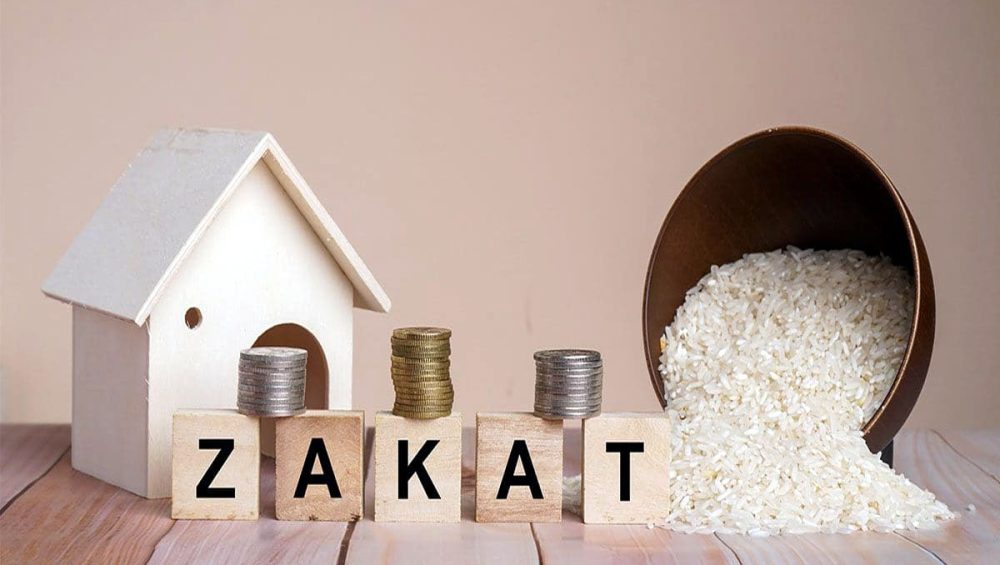
Who Is Eligible To Pay Zakat | 8 Recipients You Should Know
You look for clarity when you think about Zakat. You want to understand who is eligible to pay Zakat and how the obligation affects your faith. You need guidance rooted in Qur’an and Sunnah. You want confidence before giving your wealth. You gain that confidence when you know the rules. You also gain peace when you understand the eight groups who can receive Zakat. You reach a point of certainty when your heart feels sure about your duty. Zakah Expenditures Verse Zakah Expenditures (Quran 9:60) Zakah expenditures are only for the poor and for the needy and for those employed to collect [zakah] and for bringing hearts together [for Islam] and for freeing captives [or slaves] and for those in debt and for the cause of Allah and for the [stranded] traveler – an obligation [imposed] by Allah. And Allah is Knowing and Wise. Introduction To Zakat And Its Purpose You should understand the spiritual role of Zakat. You purify your wealth when you give it. You help another believer. You reduce hardship in society. You support justice. You follow the command of Allah. A global charity report noted that direct giving rises each year because Muslims want trust and transparency. You gain that trust when you follow authentic guidelines. You protect your own heart through Zakat. You ease the burden of the poor. You support community stability. You gain blessings that strengthen your personal life and social life. What is the Eligibility Requirements For Zakat You need a clear framework to understand who is eligible to pay Zakat. Islamic law gives simple requirements. Conditions That Make A Muslim Eligible You meet the obligation once four elements are present. • You are Muslim. • You are an adult. • You have full ownership of wealth. • You hold wealth above the Nisab of Zakat for one lunar year. You act correctly when you apply these rules to your personal situation. You grow in awareness whenever you review your wealth each year. You maintain discipline when you keep track of what you own. Understanding The Nisab Of Zakat You use the Nisab of Zakat to know your duty. You look at the value of gold or silver. You compare your assets with the threshold. You review your financial position each year. Economic studies show that many Muslims ignore annual self-review and miss their Zakat. You avoid that error when you check your resources regularly. You consider cash, gold, savings, business goods and similar assets. You check if they reach the set threshold. You then act with sincerity when you fulfill the pillar. The Eight Recipients Of Zakat You follow Qur’anic guidance to understand whom to give Zakat in Islam. Surah At Tawbah gives eight categories. You direct your support to those groups only. The Poor You help those who lack essential needs. The Needy You support those who earn but cannot meet basic expenses. Zakat Administrators You assist workers who manage collection and distribution. Those Whose Hearts Need Support You help new Muslims who need strength and stability. Captives Who Seek Freedom You aid individuals who face unjust restraint. People In Debt You support people who cannot clear legitimate debts. Those In The Path Of Allah You assist people engaged in lawful service to the faith. Travelers In Hardship You help travelers who remain stranded without resources. A faith survey reported that Muslims prefer trusted institutions to reach the correct recipients. You align yourself with that wisdom when you choose evidence-based paths. Groups That Cannot Receive Zakat You protect your reward when you know who is not eligible for Zakat. Islamic rulings restrict Zakat from reaching certain individuals. People Who Cannot Receive Zakat • Wealthy individuals • Non Muslims except the group linked to faith support • Ahl Al Bayt • Parents and grandparents • Children and grandchildren • People who misuse funds A research panel in the U.S. highlighted that many Muslims misunderstand family rules. You avoid mistakes when you follow authentic fiqh. Family Rules For Zakat You often look at family needs first. You wonder if support through Zakat is allowed. You should apply clear guidelines. Family Members Who Can Receive Zakat • Siblings • Uncles and aunts • Cousins • Extended relatives in hardship You gain the reward of Zakat and the reward of family ties. Family Members Who Cannot Receive Zakat • Parents • Grandparents • Children • Grandchildren You maintain the correct structure of support when you follow these rules. You avoid confusion once you understand Islamic responsibility. Responsible Distribution Of Zakat You act with care when you distribute Zakat. You review your assets before you give. You confirm the eligibility of the recipient. You check the sincerity of your own intention. You rely on trusted channels. Digital charity studies show that online giving rose by more than thirty percent among Muslims. You look for verified and transparent systems that match Islamic guidelines. You gain confidence when you use Yaqeen Welfare services because the organization follows reliable checks and documented methods. You help families with dignity. You support community needs with clarity. How Yaqeen Welfare Utilizes Zakat to Provide Healthcare Services Through Its Clinic: Are you looking for an institution that follows the Qur’an and Sunnah while utilizing your Zakat? Do you want a trustworthy partner in your Zakat journey? Do you gain comfort when the Zakat utilization process is transparent and aligned with Islamic law?Do you want to support qualified families through structured programs? Do you hope to help orphans, widows, sick individuals, and struggling households through your Zakat? Do you wish to uplift many lives with your contribution?Do you want assurance that your Zakat provides direct benefit when distribution follows verified criteria? And do you want to see real impact as communities grow stronger through consistent aid? Yaqeen Welfare ensures your Zakat is used transparently and in full compliance with Qur’an and Sunnah. Through careful eligibility checks and home verifications, only deserving families and patients are approved. At its clinic, Yaqeen uses Zakat … Continue reading Who Is Eligible To Pay Zakat | 8 Recipients You Should Know
