
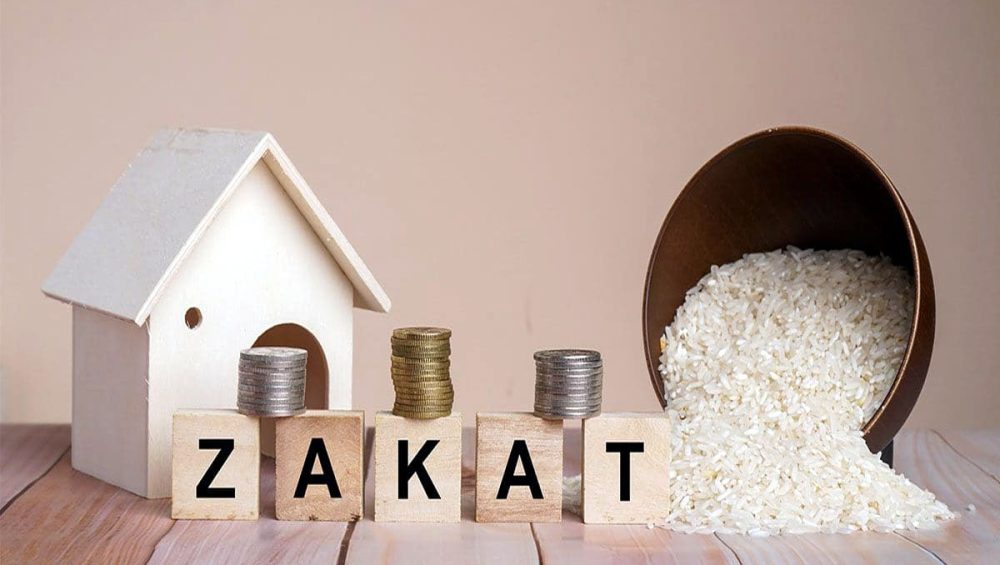
Who Is Eligible To Pay Zakat | 8 Recipients You Should Know
You look for clarity when you think about Zakat. You want to understand who is eligible to pay Zakat and how the obligation affects your faith. You need guidance rooted in Qur’an and Sunnah. You want confidence before giving your wealth. You gain that confidence when you know the rules. You also gain peace when you understand the eight groups who can receive Zakat. You reach a point of certainty when your heart feels sure about your duty. Zakah Expenditures Verse Zakah Expenditures (Quran 9:60) Zakah expenditures are only for the poor and for the needy and for those employed to collect [zakah] and for bringing hearts together [for Islam] and for freeing captives [or slaves] and for those in debt and for the cause of Allah and for the [stranded] traveler – an obligation [imposed] by Allah. And Allah is Knowing and Wise. Introduction To Zakat And Its Purpose You should understand the spiritual role of Zakat. You purify your wealth when you give it. You help another believer. You reduce hardship in society. You support justice. You follow the command of Allah. A global charity report noted that direct giving rises each year because Muslims want trust and transparency. You gain that trust when you follow authentic guidelines. You protect your own heart through Zakat. You ease the burden of the poor. You support community stability. You gain blessings that strengthen your personal life and social life. What is the Eligibility Requirements For Zakat You need a clear framework to understand who is eligible to pay Zakat. Islamic law gives simple requirements. Conditions That Make A Muslim Eligible You meet the obligation once four elements are present. • You are Muslim. • You are an adult. • You have full ownership of wealth. • You hold wealth above the Nisab of Zakat for one lunar year. You act correctly when you apply these rules to your personal situation. You grow in awareness whenever you review your wealth each year. You maintain discipline when you keep track of what you own. Who and When Eligible for Zakat (Financial Conditions for Paying Zakat ) Anyone is financially obligated to pay Zakat when his/her net zakatable wealth meets or exceeds Nisab for one full lunar year. What Counts as Zakatable Wealth? Included Assets These are fully zakatable: Cash & Savings Gold & Silver Business Assets Investments Receivable Money What Is NOT Zakatable? ❌ Personal residence❌ Personal car❌ Household items & clothing❌ Tools used for work❌ Personal-use electronics (Unless bought for resale) Deductible Liabilities (Very Important) Before checking Nisab, you may deduct: Long-term debts (like mortgages) are not fully deductible—only the portion due within the Zakat year. Calculating Net Zakatable Wealth Calculating net zakatable wealth starts by identifying all assets that are subject to Zakat. These include cash in hand, bank balances, gold and silver, business inventory, investments, and any money owed to you that is likely to be repaid. Zakat calculation on gold should be based on the current market value, and many people prefer to use an online gold zakat calculator to ensure accuracy. After listing all applicable assets, outstanding short-term liabilities are deducted, such as personal debts, unpaid bills, or business expenses due in the near term. The remaining amount is your net zakatable wealth. If this total equals or exceeds the Nisab threshold and a full lunar year has passed, Zakat becomes obligatory on that amount. Formula: Total zakatable assets − Immediate liabilities= Net zakatable wealth If this amount ≥ Nisab, Zakat is obligatory. Nisab & Market Value Nisab is calculated using the current market price of: Many scholars recommend silver Nisab today to help more people qualify to give Zakat. The Hawk (One-Year Rule) Zakat Rate Common Financial Mistakes ❌ Ignoring small cash amounts❌ Forgetting gold jewelry❌ Not deducting short-term debts❌ Resetting the Zakat year unnecessarily❌ Assuming salary alone determines Zakat Practical Example Example: Net wealth: $9,500If Nisab = $500 (silver-based), Zakat is due: Zakat: 2.5% of $9,500 = $237.50 Ramadan Tip Many Muslims align their Zakat date with Ramadan, but obligation depends on your personal Zakat anniversary, not the month itself. The Eight Recipients Of Zakat You follow Qur’anic guidance to understand whom to give Zakat in Islam. Surah At Tawbah gives eight categories. You direct your support to those groups only. The Poor You help those who lack essential needs. The Needy You support those who earn but cannot meet basic expenses. Zakat Administrators You assist workers who manage collection and distribution. Those Whose Hearts Need Support You help new Muslims who need strength and stability. Captives Who Seek Freedom You aid individuals who face unjust restraint. People In Debt You support people who cannot clear legitimate debts. Those In The Path Of Allah You assist people engaged in lawful service to the faith. Travelers In Hardship You help travelers who remain stranded without resources. A faith survey reported that Muslims prefer trusted institutions to reach the correct recipients. You align yourself with that wisdom when you choose evidence-based paths. Groups That Cannot Receive Zakat You protect your reward when you know who is not eligible for Zakat. Islamic rulings restrict Zakat from reaching certain individuals. People Who Cannot Receive Zakat • Wealthy individuals • Non Muslims except the group linked to faith support • Ahl Al Bayt • Parents and grandparents • Children and grandchildren • People who misuse funds A research panel in the U.S. highlighted that many Muslims misunderstand family rules. You avoid mistakes when you follow authentic fiqh that generally cannot give obligatory zakat directly to build or maintain mosques Family Rules For Zakat You often look at family needs first. You wonder if support through Zakat is allowed. You should apply clear guidelines. Family Members Who Can Receive Zakat • Siblings • Uncles and aunts • Cousins • Extended relatives in hardship You gain the reward of Zakat and the reward of family ties. Family Members Who Cannot Receive Zakat • Parents • Grandparents • Children • Grandchildren You … Continue reading Who Is Eligible To Pay Zakat | 8 Recipients You Should Know
