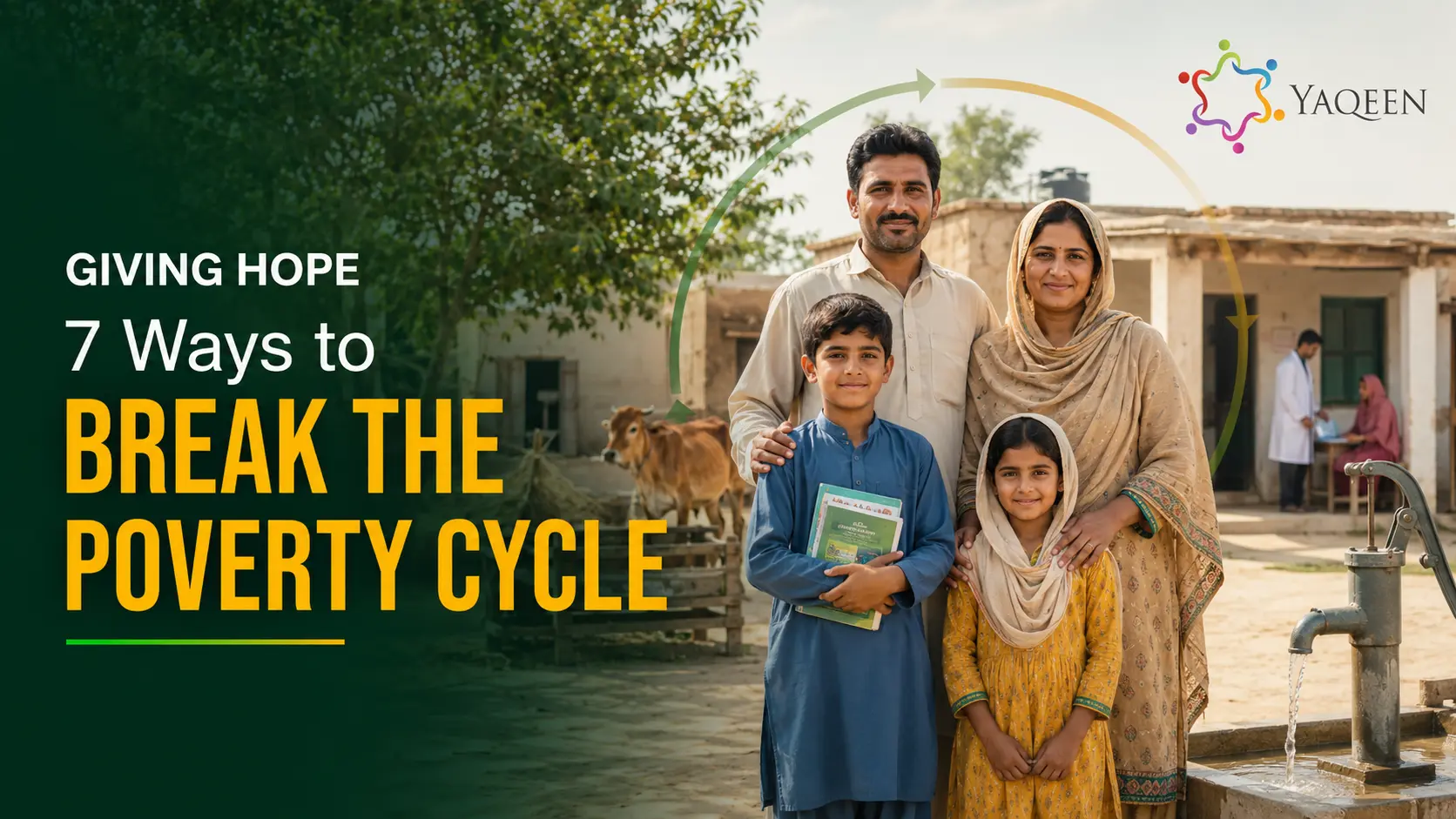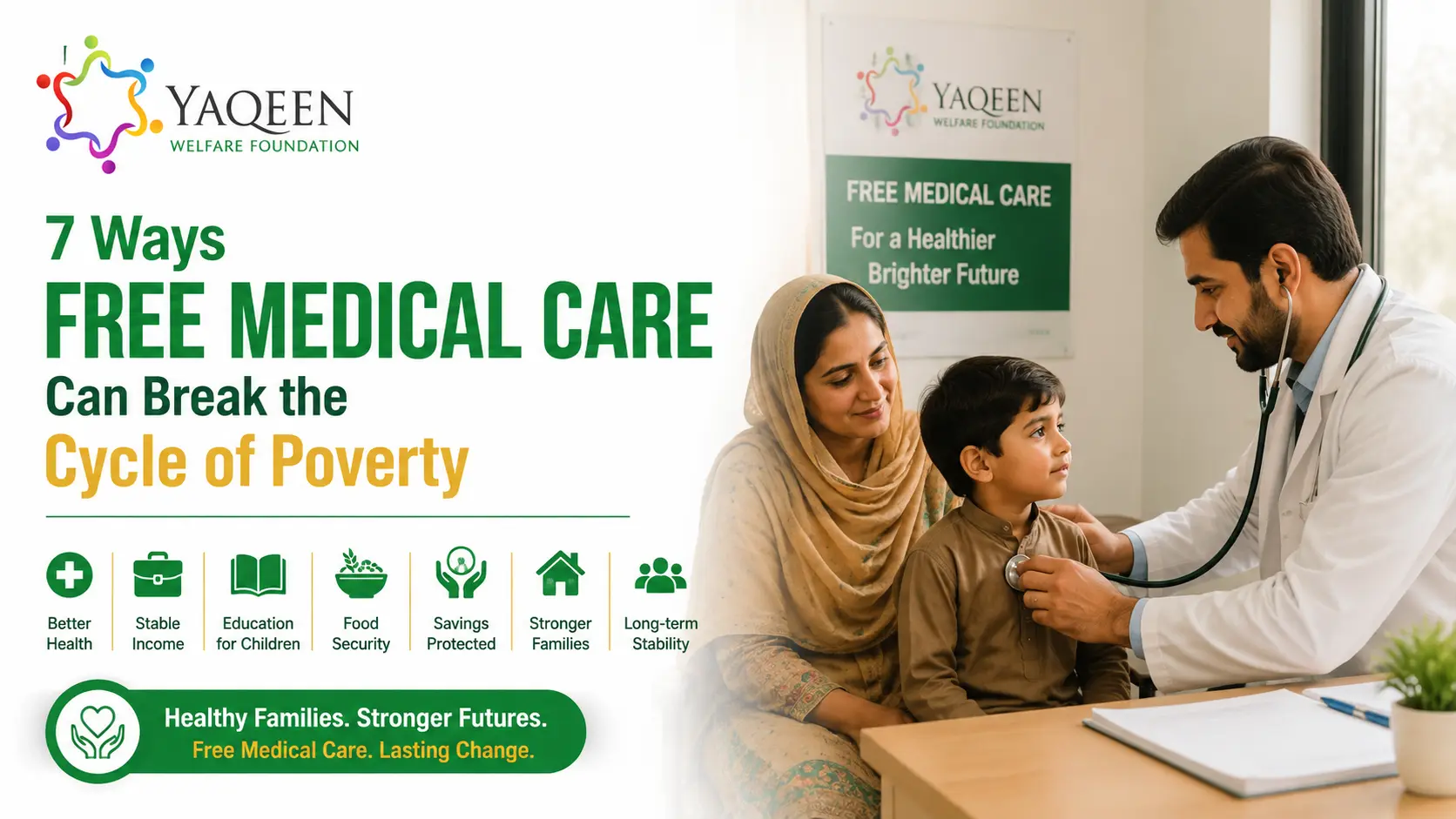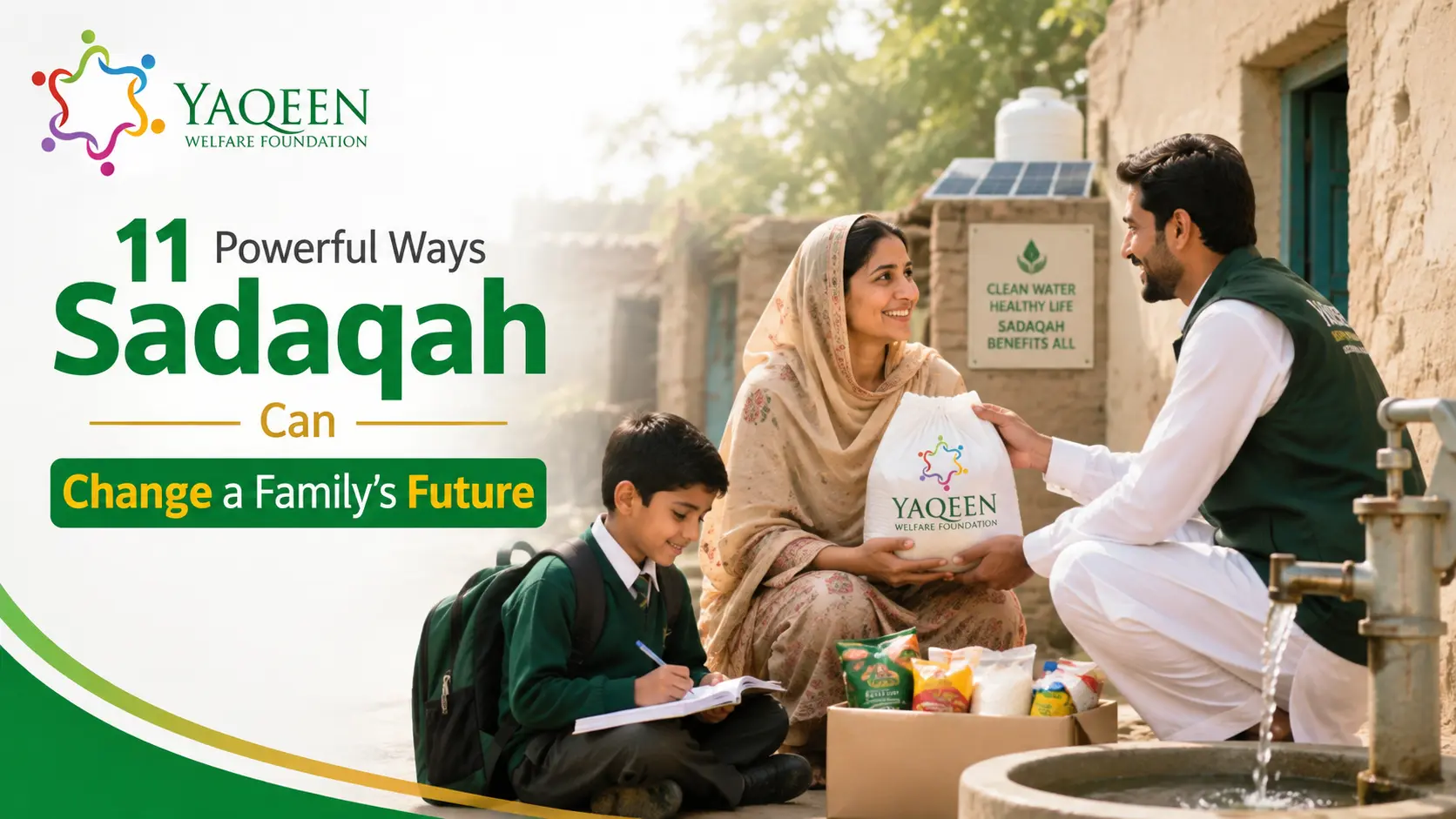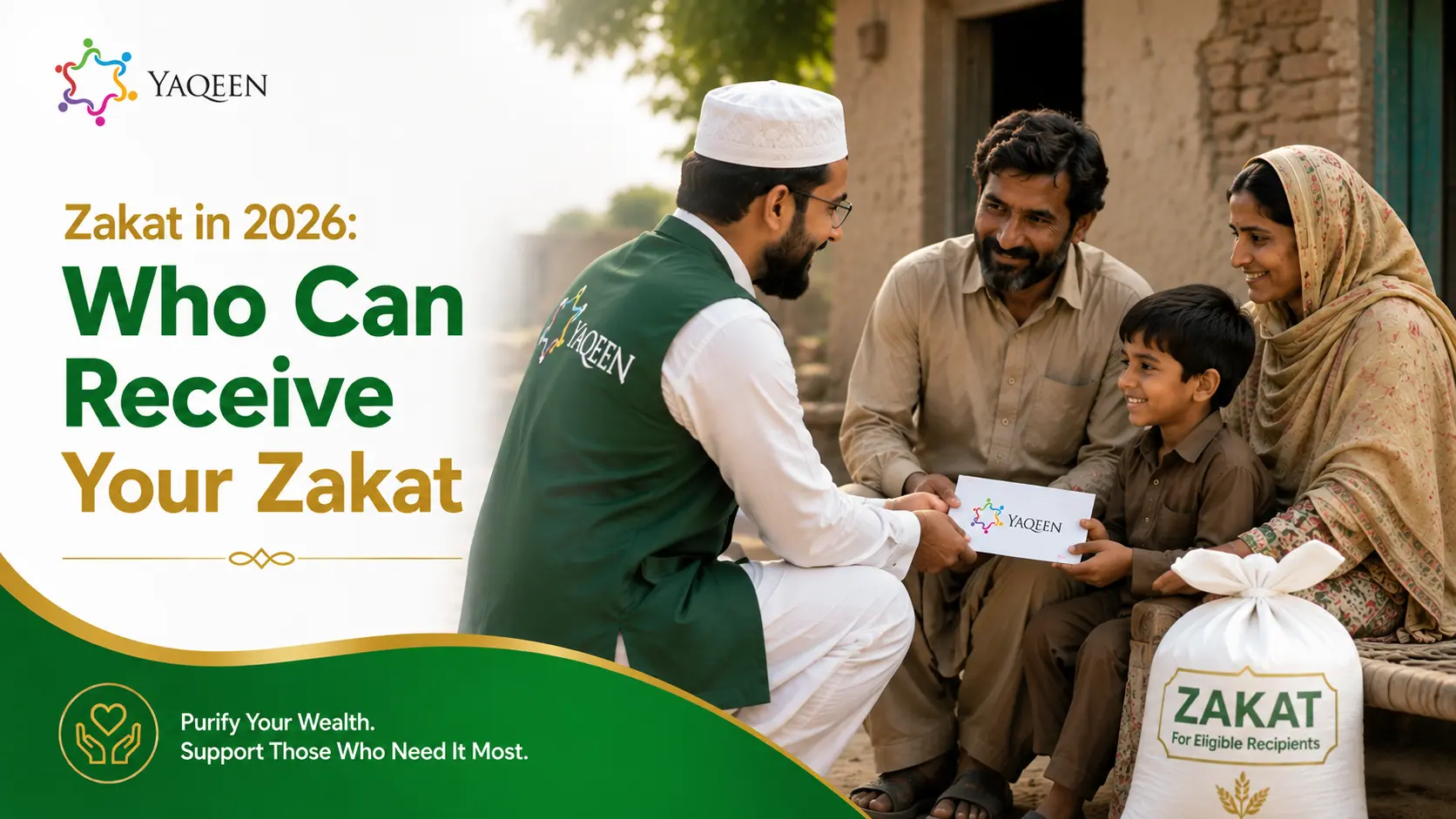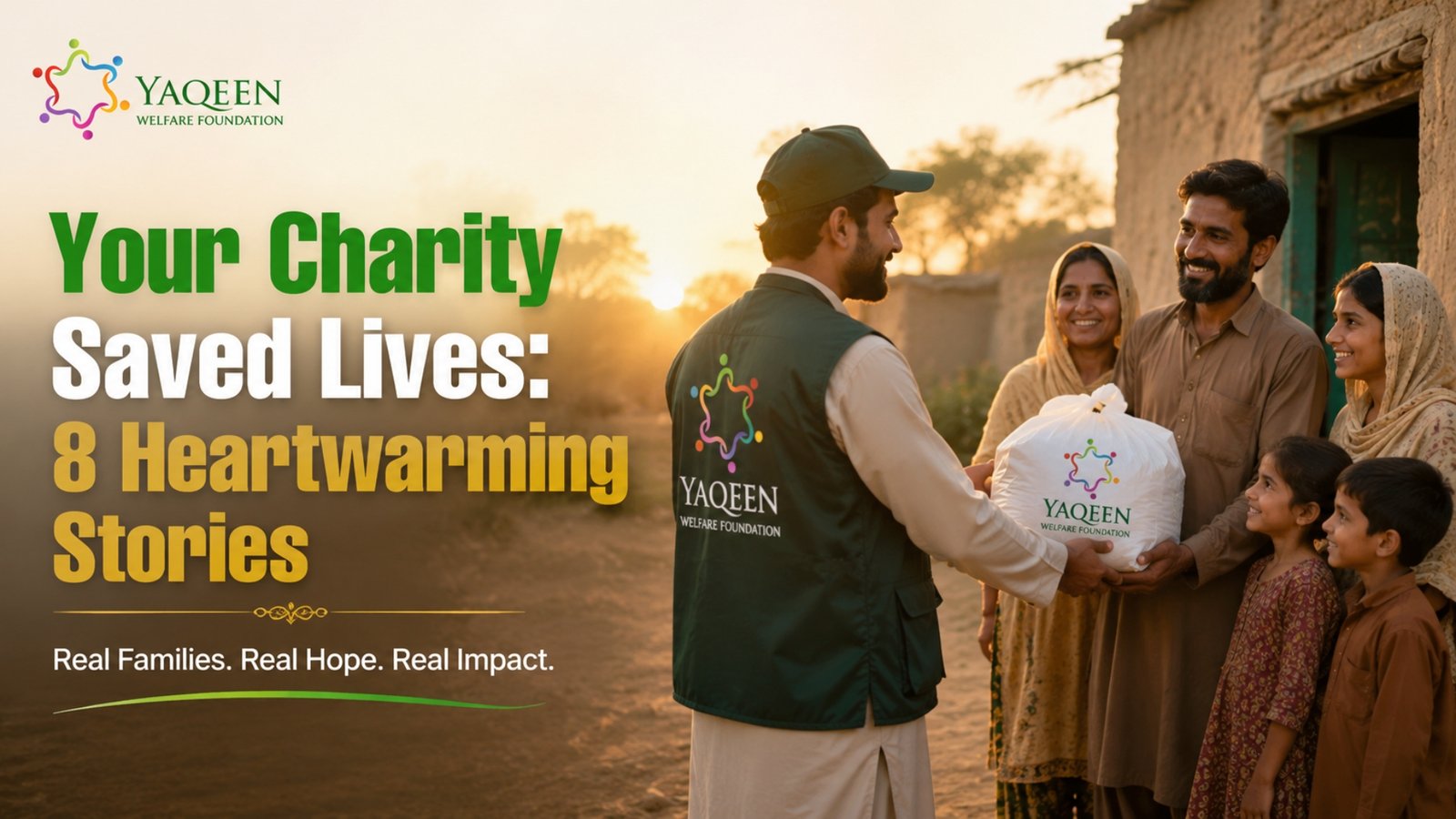
Your Charity has a way of arriving exactly where it is needed, often without the giver ever knowing what it became. Behind every donation is a real family, a real moment of relief, and a real story that continues long after the gift was sent. Below are 8 heartwarming stories showing what your charity has done — and what Islamic tradition says about the meeting that one day awaits the giver and the one who was helped.
If you have ever wondered whether your charity truly reaches the people who need it most, these stories — and the deeper meaning behind them — answer that question directly.
Why Your Charity Is More Than a Donation
Before the stories, it helps to understand the framework Yaqeen Welfare Foundation operates within. Charity, or sadaqah, is not treated as a simple financial transaction in Islamic teaching. It is recorded in full detail — the circumstances of the giver, the sincerity behind the act, and the relief it brings to the one who receives it.
“Allah does not look at your forms or your wealth, but He looks at your hearts and your deeds.” (Muslim)
This is the foundation for everything that follows. Each story below shows charity functioning exactly as it was meant to — quietly, precisely, and permanently.
Story 1 — The Family at the End of the Unpaved Road
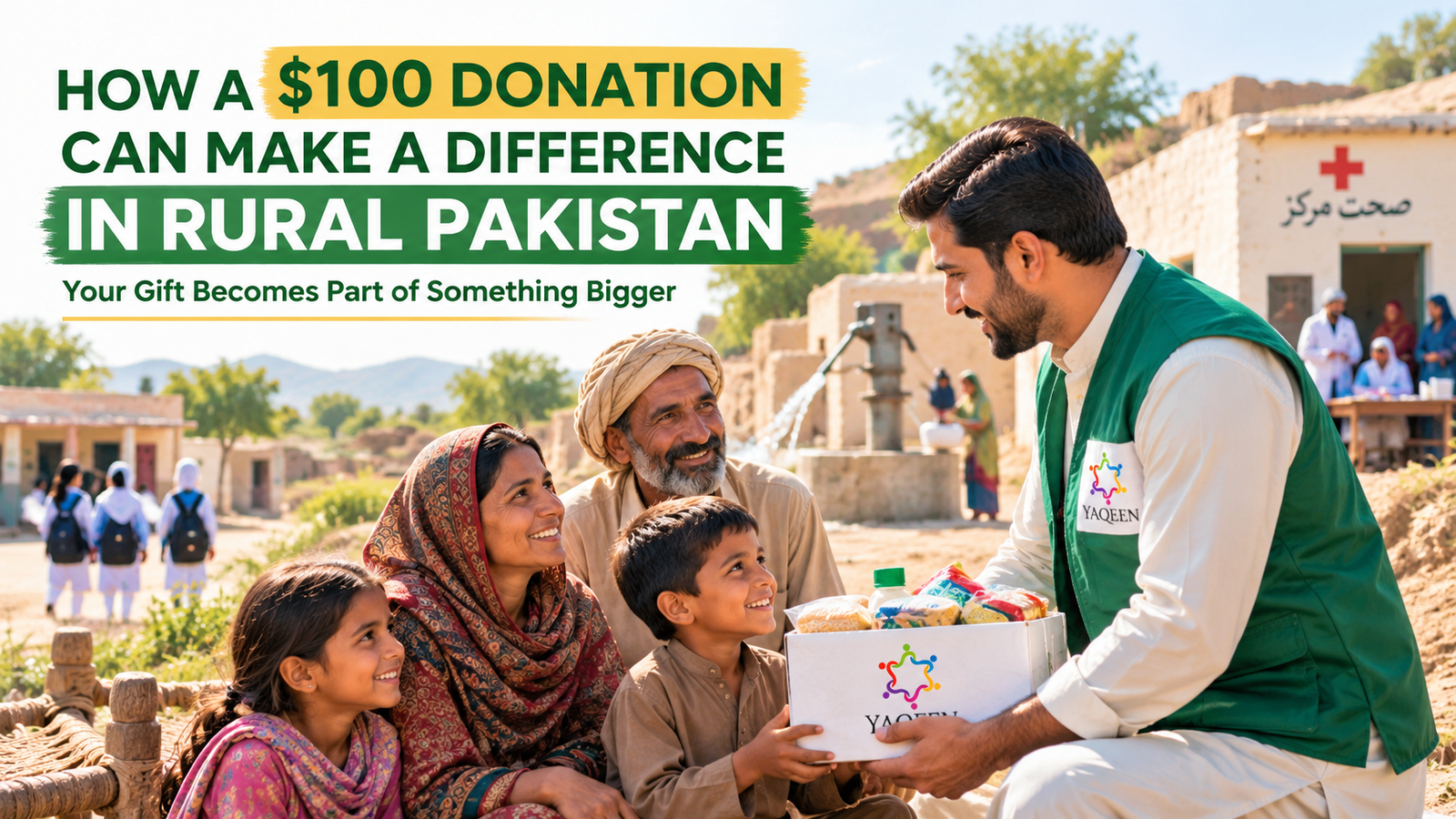
In a village far from any main road, a family had reached a point where there was nothing left to give the children for dinner. An emergency food parcel, funded entirely through charity, arrived within days. It was not a large sum by international standards — but in that household, it was the difference between an empty table and a full one.
H6: What This Story Teaches About Charity
Charity does not need to be large to be transformative. It needs to arrive at the right moment, for the right family, with sincerity behind it.
Story 2 — The Widow Who Was Not Forgotten
A widow raising three children alone had quietly stopped expecting help from anyone. When monthly food support began arriving through a charity programme, it did more than fill her cupboard — it told her, in a language stronger than words, that she had not been forgotten. Within a few months, her household routine stabilised, and she began planning for her children’s future again instead of just surviving the week.
Story 3 — The Fasting Family in Ramadan
During Ramadan, a fasting family in a remote village had nothing to break their fast with beyond plain water. Through Ramadan-specific charity distribution, a parcel arrived just before Maghrib. Tradition holds that the prayer of a fasting person at the moment of breaking fast ascends with particular speed — and this family’s prayer that evening was for the unknown donor whose charity reached them in time.
Story 4 — The Orphan Who Was Fed
An orphan in a household stretched thin by loss had grown used to going without. A charity-funded meal programme changed that. The hadith says:
“If you want your heart to be soft, feed the poor and pat the head of the orphan.” (Ahmad)
This story is a direct illustration of that teaching — the orphan was fed, and somewhere, a donor’s heart was softened by the act of giving.
Story 5 — The Household Saved From Collapse
Sometimes charity does not just relieve hunger — it prevents a household from breaking apart entirely. A family facing eviction and an empty pantry at the same time received emergency support that addressed both. The father, who had begun apologising nightly to his children, was finally able to sleep without that weight.
Story 6 — The Village With No Clean Water
Charity is not only about food. In one village, families had been drinking from a contaminated source for years. A clean water initiative, funded through ongoing charity, gave the entire community access to safe water for the first time. Children who had been frequently ill began attending school consistently again.
Story 7 — The Child Who Remembers the Relief
A young girl, now grown, recalls little about the specific donations that reached her household during difficult years — but she remembers the feeling. The arithmetic of poverty, briefly, became bearable. That memory of relief, made possible entirely through charity, shaped how she views generosity today.
Story 8 — The Family Your Charity Has Not Yet Reached
The final story has not been written yet. It belongs to a family who, right now, is waiting — for a food parcel, for a month of support, for the simple message that the world has not passed them by. This story depends on whether charity continues to move forward, and whether the next gift is sent.
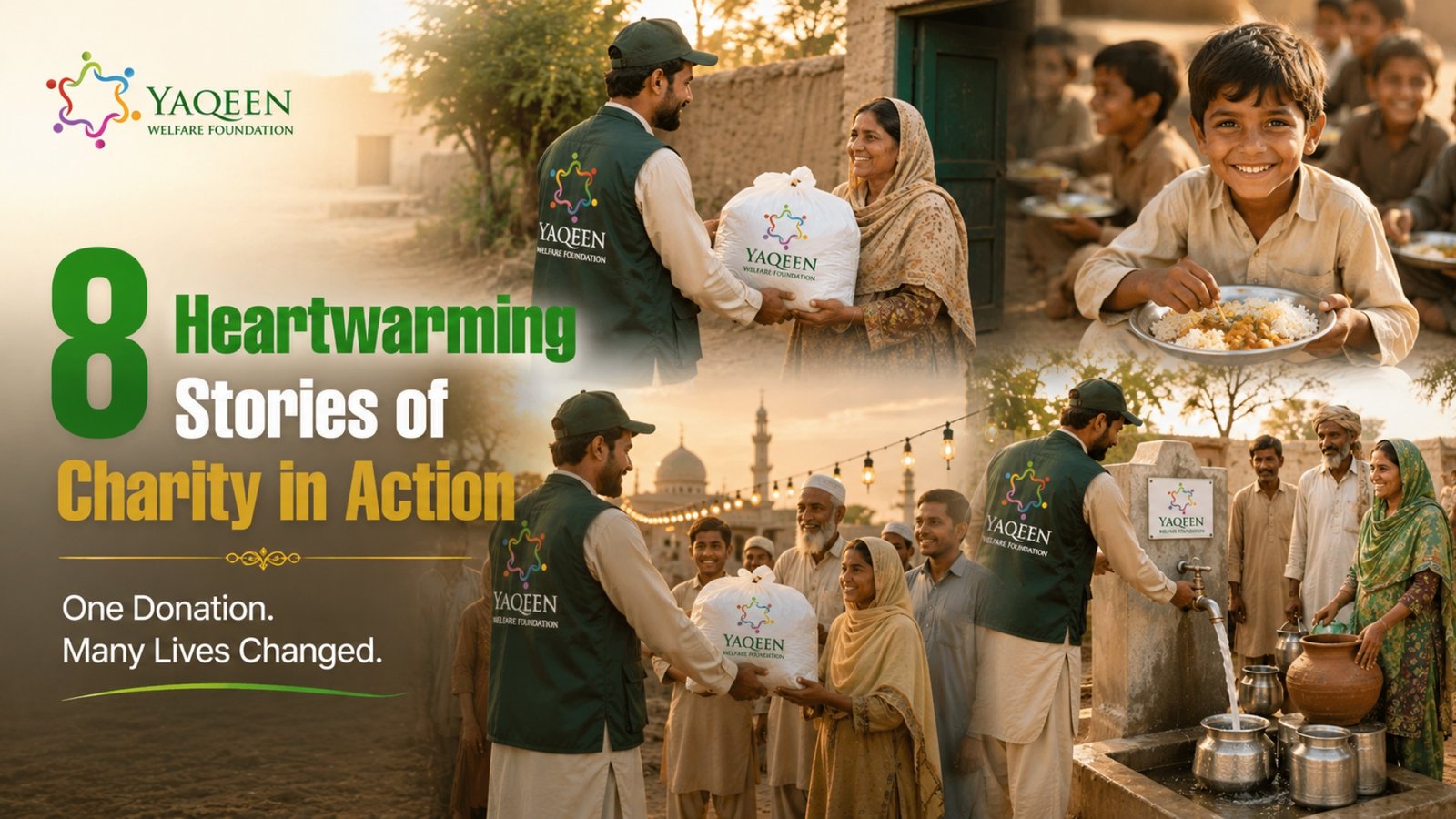
What These 8 Stories Have in Common
Each story shares a structure: a real need, a moment of crisis, and an act of charity that arrived at precisely the right time. The table below summarises how each story connects to a specific form of charity.
| Story | Type of Need | Form of Charity | Outcome |
|---|---|---|---|
| 1. The Unpaved Road Family | Acute hunger | Emergency food parcel | Household stabilised within days |
| 2. The Widow | Long-term poverty | Monthly food support | Restored sense of being cared for |
| 3. The Fasting Family | Ramadan hardship | Ramadan food distribution | Fast broken on time, prayer answered |
| 4. The Orphan | Chronic neglect | Ongoing meal support | Physical and emotional relief |
| 5. The Household at Risk | Eviction + hunger | Emergency combined support | Household kept intact |
| 6. The Village | Unsafe water | Clean water project | Reduced illness, improved school attendance |
| 7. The Grown Child | Childhood poverty | Past sustained charity | Lasting positive impact on adult life |
| 8. The Next Family | Unmet, ongoing | Future charity | Depends on continued giving |
The Deeper Meaning Behind Every Act of Charity
In Islamic teaching, charity is described as something that is never lost, even when the giver never learns the outcome. The Prophet ﷺ said:
“Protect yourself from the Fire, even with half a date.” (Bukhārī and Muslim)
This means no act of charity is too small to matter. The family in Story 1 did not need a large donation — they needed a donation, given sincerely and on time. This is the principle that drives every programme at Yaqeen Welfare Foundation: meet real need now, rather than waiting for a “better” or larger contribution later.
It is also worth noting how charity is described as extinguishing the consequences of past mistakes:
“Charity extinguishes sin as water extinguishes fire.” (Tirmiḏī)
This is part of why charity holds such a central place — it benefits both the receiver, materially and emotionally, and the giver, spiritually and personally.
How Your Charity Reaches Families Like These
Yaqeen Welfare Foundation focuses specifically on households most likely to be overlooked by larger organisations — families at the end of unpaved roads, in villages without consistent aid access, and in situations that do not generate headlines. Programmes include emergency food parcels, Ramadan distribution, ongoing family food support, and support specifically for widows and vulnerable households.
If you would like to read more about how specific programmes work, see these related posts on our blog:
- How Emergency Food Parcels Reach Families in Crisis Within 48 Hours
- Why Ramadan Giving Has a Unique Spiritual Weight
- The Long-Term Impact of Monthly Sadaqah on Vulnerable Households
- Clean Water Projects: A Quiet Form of Charity With Lasting Impact
(Note: please confirm the exact slugs/titles of these posts on yaqeen.org/blogs and update the links above accordingly, since I was unable to browse the live site to verify individual post URLs.)
For more on the broader concept of sadaqah in Islamic teaching, you may find this external resource useful: Sunnah.com — Hadith Collection on Charity.
Frequently Asked Questions
Q: Will I actually meet the people my charity helped? The tradition describes this in several forms — the shade of your charity on the Day of Qiyamah, the intercession of those whose prayers you answered, and the meeting with the reality of what your giving produced. Whether literal or figurative, the consistent teaching is that the act of charity does not disappear; it persists and returns to you in a form greater than what left your hand.
Q: Does the amount I give matter? “Protect yourself from the Fire, even with half a date” (Bukhārī and Muslim). The weight of charity is measured against the circumstances of the giver, not an absolute number. A small donation given sincerely can carry as much meaning as a large one given from surplus.
Q: Can I give charity on behalf of someone who has passed away? Yes. Sadaqah given on behalf of a deceased person reaches them, and the prayers raised by the receiving family are offered on behalf of both the giver and the person being honoured.
Q: I used to give charity but stopped. Does my earlier giving still count? Nothing is lost. Charity given in the past — in whatever circumstances — remains recorded, and the family it reached carried the benefit forward. What matters now is simply continuing.
Q: How do I know my donation reaches families like the ones in these stories? Yaqeen Welfare Foundation works through on-the-ground partners specifically chosen for their access to households that larger organisations often cannot reach, including remote villages and families without documentation or visibility.
Give the Next Story Its Ending
Eight stories. Eight families whose lives were changed because someone chose charity over hesitation. The ninth story is still being written — and it depends on what happens next.
Donate Now — Give charity today and help write the next story of a life saved.
Contact Us Online if you have questions about where your charity goes or how to set up ongoing support.