You enter a subject that shapes faith, identity, and daily life. Sadaqah in Islam guides your heart toward compassion and service. You gain a chance to learn how charity grew from prophetic tradition into a global movement. You may wonder how ancient acts of generosity influence your life today. You can see the answer as you move through the history, evidence, and spiritual purpose behind this essential pillar of Muslim life. You notice that Sadaqah in Islam stands at the center of community support across the world. Research from the IU Lilly Family School of Philanthropy notes that Muslim communities donate billions each year. You should reflect on what motivates this effort and what role you can play.
What Sadaqah In Islam Means For You
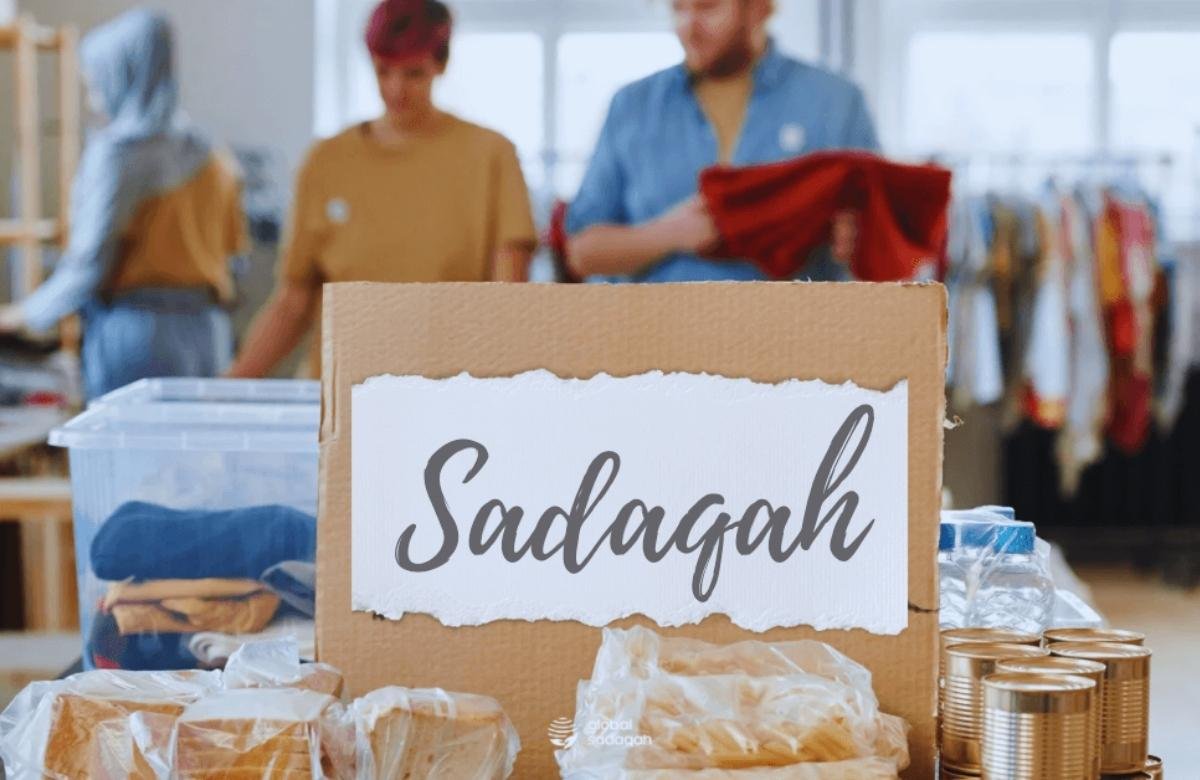
You see Sadaqah in Islam as an act that reflects sincerity and kindness. You direct your wealth, time, or effort toward the well-being of others. You follow the Qur’an as it instructs believers to give freely. You follow the Sunnah as it teaches that every act of kindness counts as charity. You gain clarity when you compare Sadaqah and Zakat. You understand that Zakat is an obligation, yet Sadaqah comes from voluntary generosity. A 2021 Pew Research study reports that most Muslims give multiple forms of charity each year. You should ask yourself how often you offer support to others, especially if you are Eligible To Pay Zakat.
How Sadaqah In Islam Differs From Zakat
You gain a simple distinction. You treat Zakat as a duty. You treat Sadaqah as a voluntary gift. You can offer Sadaqah at any time, in any amount, and in any form. You can offer a smile, a meal, a kind word, or financial assistance. You may notice how easy it is to perform Sadaqah when you read a Sadaqah in Islam Hadith. You see the Prophet Muhammad ﷺ say, “Your smile to your brother is charity.” You gain motivation from such examples.
Why Sadaqah Matters To You Today
You already live in a fast, pressured world. You see unequal access to resources. You see poverty rise in many regions. You see families struggle. You gain strength through charity when you offer Sadaqah in Islam to help someone repair life’s difficulties.Know that a simple action on your part can ease hardship for someone across the world. UNdata report shows that more than 700 million people struggle with extreme poverty. You should ask what your next charitable act will be.
How Sadaqah In Islam Appeared In The Lives Of Prophets
You gain insight when you look at early prophetic history. You learn that Prophet Ibrahim AS lived with generosity. You see his hospitality become a defining example of charity. You see how he welcomed guests, shared food, and opened his home. You may ask why such acts matter thousands of years later. You can see the answer when you notice how Sadaqah in Islam follows the same spirit.
Sadaqah In The Time Of Prophet Muhammad ﷺ
You detect a deeper understanding when you study the life of the Prophet Muhammad ﷺ. You find many Sadaqah in Islam Hadith that guide you. You hear the Prophet ﷺ say that every act of kindness counts as Sadaqah. You hear that removing harm from the road counts as charity. You hear that offering knowledge counts as charity. You should ask which form fits your daily life. You gain inspiration from the Sahabah. You learn how Abu Bakr RA spent his wealth to support the community. You see how Uthman RA financed wells and public works. You see how Umar RA created systems to support the poor. You may ask who among them reflects your own values.
Sadaqah In Islam Quotes From The Qur’an
You should read verses that uplift your heart. You see Allah say in Surah Al-Baqarah 2:261 that charity grows like a grain with seven hundred times its reward. You feel comfort when you read Surah Al-Hadid 57:18, where Allah promises a generous reward to those who give. How do these verses influence your choices today?
How Sadaqah Evolved Across Islamic History
You track major developments across early Muslim societies. You find that Sadaqah in Islam created structured welfare systems. You see the rise of the waqf institution. You see wealth dedicated to schools, hospitals, roads, and public resources. A study from the University of Oxford highlights the long impact of waqf systems in the Muslim world. You may ask how your community can revive such ideas.
How Early Muslim Communities Expanded Sadaqah
You learn that charity plays a central role in community life. You read examples of public kitchens that offered food. You read accounts of travelers’ lodges funded through Sadaqah. You read about scholars supported by charitable endowments. You see how charity became a backbone of progress.
How Sadaqah Supported Civilizations
You observe how the Umayyad, Abbasid, and Ottoman eras built advanced social systems. You see Sadaqah in Islam become part of economic and cultural life. You read how hospitals operated free of charge through charitable funds. You may ask what would happen if modern societies adopted the same spirit.
How Sadaqah In Islam Operates In Modern Society
You live in an age of global connectivity. You notice that charity expands beyond borders. You see how online platforms allow you to donate within seconds. You see how Sadaqah in Islam continues to guide many service organizations today. A Giving USA report states that online donations increased by more than 20% in a single year. You may ask how you can use digital tools to increase your charity.
Modern Types Of Sadaqah You Can Offer
You can offer daily acts of kindness. You can support long-term projects known as Sadaqah Jariyah. You can fund wells, schools, or healthcare support. You can help your local masjid. You may ask which form brings the greatest long-term benefit. You should reflect on the Best Sadaqah in Islam. You gain clarity when you focus on acts that continue long after your lifetime.
Digital Sadaqah And Global Impact
You notice that many modern donors prefer transparent systems. You feel confident when your contribution reaches the right place. You can use organizations like Yaqeen Welfare to direct your Sadaqah toward verified global projects. You may ask how digital systems ensure accuracy. You should review annual reports and project summaries to gain trust.
Important Sadaqah Rules In Islam That Guide Your Actions
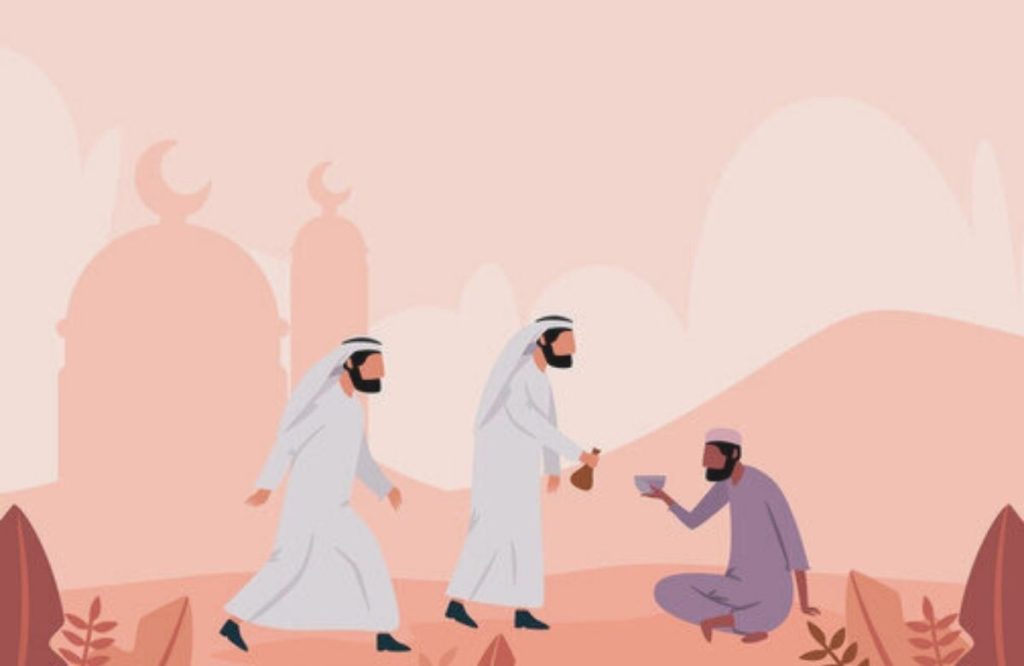
You must follow clear principles. You should offer charity from halal wealth. You should offer it with sincere intention. You should avoid harming the dignity of recipients. You must respect privacy. Many scholars highlight that intention defines the reward. You may ask how your intention affects your Sadaqah in Islam.
Who Can Receive Sadaqah
You can offer charity to the poor, travelers in need, students, or families hit by hardship. You can support relief projects in areas affected by disaster. You can support orphans or widows. You gain clarity as you read classical fiqh texts. You should ask who in your community needs help right now.
Rules That Protect Your Charity
You avoid arrogance. You avoid showing off. You give quietly when possible. You give openly only when it inspires good. You maintain transparency. You may ask how often you should give. You see the Prophet ﷺ encourage frequent charity. You gain comfort from consistent small acts.
How Sadaqah Strengthens Your Spiritual Growth
You feel spiritual peace when you give. You feel your heart soften. You feel a sense of responsibility. You remember Allah more often. A study in positive psychology notes that acts of generosity reduce stress. You may ask how charity improves emotional well-being. You experience the answer after every act of Sadaqah in Islam.
How Sadaqah Protects You From Hardship
You read many Sadaqah in Islam Hadith on protection. You must hear scholars explain that charity shields you from misfortune. You may recall the statement, “Charity extinguishes sin as water extinguishes fire.” You gain hope from such promises.
How Community Bonds Grow Through Sadaqah
You build unity when you give. You create trust. You reduce inequality. You support those facing trials. You may ask how your community would look if every member offered small acts daily.
How Yaqeen Welfare Helps You Give Sadaqah With Purpose
You need trusted channels. You need transparency. You need reliability. You find such support through Yaqeen Welfare. You can direct your Sadaqah in Islam toward emergency relief, education, food support, or long-term development. You should review our Orphan Support Service to see how your charity reaches vulnerable children. You may ask how one act of charity can secure a child’s future.
Final Thought
You stand at a point where history meets your daily life. You see how prophets lived with generosity. You see how past civilizations expanded charity into global welfare. You see how modern tools increase impact. You understand your role in this journey. You gain spiritual strength when you support others. You uplift families when you offer even small amounts. You join a global tradition when you support Sadaqah in Islam.
Explore more informative blogs: