Yaqeen Welfare Foundation

Sadaqahl Zakat vs. 6 Key Differences Every Muslim Should Know CategoriesBlog

Sadaqah vs. Zakat: 6 Key Differences Every Muslim Should Know

Sadaqah vs. Zakat is one of the most searched questions among Muslims trying to give correctly — and understandably so. Both are described in the Qur’an, both are rewarded generously, and both are described using the same Arabic root that means “to purify” or “to be true.” Yet they are not interchangeable. One is a fixed, obligatory pillar of Islam. The other is an open, voluntary act of mercy with no ceiling and no fixed rules. Knowing the difference between Sadaqah and Zakat is not just an academic exercise — it determines whether your religious obligation has actually been fulfilled, who is legally entitled to receive your money, and how your giving is calculated each year. This guide breaks the comparison of Sadaqah vs. Zakat down into six clear, practical differences, backed by the Qur’an and Sunnah, so you can give with confidence — whether you are settling your annual Zakat or looking for a way to give Sadaqah Jariyah that continues to benefit you long after you’ve given it. What Is Zakat? Zakat is the third pillar of Islam. It is an obligatory act of worship, not a voluntary donation, owed by every adult Muslim whose wealth has remained above a specific threshold — known as the nisab — for a full lunar year (called the hawl). Once those two conditions are met, 2.5% of qualifying wealth becomes due and must be distributed to specific categories of recipients defined in the Qur’an. “Take, [O Muhammad], from their wealth a charity by which you purify them and cause them increase.” (Qur’an, Surah At-Tawbah 9:103) Zakat is not charity in the everyday sense — it is a right that the poor have over the wealth of the rich. Withholding it, according to mainstream Islamic scholarship, is a sin, not simply a missed opportunity for reward. What Is Sadaqah? Sadaqah, by contrast, is voluntary charity. It has no minimum threshold, no fixed percentage, and no obligatory schedule. It can be given by anyone — rich or poor, at any time, in any amount, to almost anyone in need. It can take the form of money, food, a kind word, or even a smile. “Charity extinguishes sin as water extinguishes fire.” (Tirmidhī) Where Zakat is a legal duty with defined boundaries, Sadaqah is an open door. The Prophet ﷺ said to protect oneself from the Fire “even with half a date” (Bukhārī and Muslim) — a reminder that Sadaqah does not wait for surplus wealth. It works with whatever a person has. Sadaqah vs. Zakat: 6 Key Differences Every Muslim Should Know Once the basic definitions are clear, the real value of comparing Sadaqah vs. Zakat lies in the practical differences — the ones that determine what you owe, when you owe it, and who is entitled to receive it. 1. Obligation vs. Voluntary Giving Zakat is fard — an obligation upon every Muslim who meets the wealth conditions. It is not left to personal discretion once nisab and hawl are satisfied. Sadaqah, on the other hand, is entirely voluntary (mustahabb). No one is sinful for not giving Sadaqah on a given day, though the Prophet ﷺ strongly encouraged it as a daily habit, even in small amounts. 2. The Nisab and Hawl Requirement Zakat only becomes due once a person’s zakatable wealth reaches the nisab threshold — roughly the value of 612.36 grams of silver or 87.48 grams of gold, according to most calculations — and remains at or above that level for a full lunar year. Sadaqah has no such threshold. It can be given from any amount of wealth, at any point in the year, by someone above or below the nisab. If you are unsure whether your wealth currently meets the nisab, Yaqeen Welfare Foundation’s Zakat Calculator can help you work it out in a few minutes. 3. A Fixed Rate vs. An Open Amount Zakat has a fixed, non-negotiable rate: 2.5% of qualifying wealth held for a full lunar year. There is no “extra” Zakat and no partial Zakat — it is calculated precisely. Sadaqah has no ceiling and no floor. It can be a single rupee or a lifetime’s savings; both are accepted, and both are rewarded according to sincerity and circumstance, not size. 4. Who Is Eligible to Receive It This is one of the most important — and most overlooked — differences between Sadaqah and Zakat. Zakat can only be given to eight specific categories of people named directly in the Qur’an: “Zakat expenditures are only for the poor and for the needy and for those employed to collect [zakat] and for bringing hearts together [for Islam] and for freeing captives [or slaves] and for those in debt and for the cause of Allah and for the [stranded] traveler.” (Qur’an, Surah At-Tawbah 9:60) Sadaqah has no such restriction. It can be given to the eight Zakat categories, but also to family members, non-Muslims, community projects, mosques, orphanages, or animals — anywhere there is genuine need or benefit. 5. Timing and Frequency Zakat is calculated and paid once per lunar year, on a fixed date the payer sets when their wealth first reaches nisab (their “Zakat anniversary”). Sadaqah has no calendar. It can be given daily, weekly, in Ramadan, on a Friday, or the moment a need is noticed. Many scholars encourage habitual, even daily, Sadaqah — however small — precisely because it carries no restriction of timing. 6. The Spiritual Function Zakat purifies wealth. It is described in the Qur’an as the mechanism that cleanses what a person owns and removes the claim the poor have upon it. Sadaqah purifies something closer to the self — it is described in hadith as extinguishing sin, shading the giver on the Day of Judgment, and softening the heart. “If you want your heart to be soft, feed the poor and pat the head of the orphan.” (Ahmad) Both acts draw a person nearer to Allah. But Zakat settles an account; Sadaqah builds a relationship. Sadaqah vs.


7 Mistakes People Make When Calculating Zakat (And How to Fix Them) CategoriesBlog

7 Mistakes People Make When Calculating Zakat

Calculating Zakat correctly is one of the most important financial and spiritual responsibilities a Muslim carries every year, yet it is also one of the most commonly miscalculated. Zakat is not a rough estimate or a symbolic gesture — it is a precise obligation, the third pillar of Islam, and a right that the poor have over the wealth of the rich. Small errors in calculating Zakat can mean underpaying what is owed to the needy, overpaying unnecessarily, or missing the obligation entirely for an entire lunar year. At Yaqeen Welfare Foundation, we work directly with underserved communities in Pakistan, and every Zakat contribution we receive is used to fund free medical treatment, clean water projects, and emergency relief for families who have nowhere else to turn. Because so much depends on accuracy, this guide walks through the seven most common mistakes people make when calculating Zakat, why each one matters, and exactly how to correct it — whether you are calculating for the first time or reviewing your approach after several years of giving. Why Calculating Zakat Correctly Matters Zakat is not simply “giving some charity when you feel generous.” It is a fixed, structured obligation: 2.5% of qualifying wealth that has been in your possession for a full lunar year (known as the hawl), once your net assets exceed a minimum threshold called the nisab. Getting this number wrong has real consequences. If you underpay, you fall short of a religious duty and the poor receive less than what is rightfully theirs. If you overpay, you may be giving away money you actually need, or double-counting assets that were never zakatable in the first place. If you miscalculate the timing, you might delay your Zakat past its due date or pay it before it is actually owed. This is precisely why calculating Zakat with care — rather than guessing — protects both your finances and your standing before Allah. Organizations such as Islamic Relief Worldwide note that Zakat is based on the total value of zakatable assets a person owns, including cash, gold, silver, savings, and business assets, minus deductible short-term liabilities. Getting each of those categories right is where most people go wrong. Quick Recap: What Is Zakat and Who Must Pay It Before looking at the mistakes, it helps to recap the basics: Zakat is obligatory on every sane, adult Muslim whose wealth reaches the nisab threshold. The nisab is based on the value of either 87.48 grams of gold or 612.36 grams of silver, according to figures widely cited by Islamic charities and referenced on Wikipedia’s overview of Zakat. Wealth must remain above the nisab for one full lunar (Hijri) year before Zakat becomes due. The Zakat rate is a fixed 2.5% of qualifying net wealth. With that foundation in place, let’s look at where people commonly go wrong when calculating Zakat. 7 Common Mistakes People Make When Calculating Zakat Mistake 1: Not Knowing the Nisab Threshold The single biggest mistake in calculating Zakat is skipping the nisab check altogether. Many people assume they owe Zakat simply because they have savings, without first confirming whether their total wealth actually exceeds the minimum threshold. Others use an outdated nisab figure from a previous year, forgetting that gold and silver prices shift daily. The fix: Check the current gold and silver rates before you begin. Most scholars recommend using the silver nisab (612.36 grams) rather than the gold nisab (87.48 grams), since the silver value is almost always lower — meaning more people qualify to give, and more support reaches those in need. You can use the Yaqeen Zakat Calculator to check this automatically against live rates rather than relying on memory. Mistake 2: Confusing Zakat with Sadaqah or Fitrana Zakat, Sadaqah, and Fitrana are all forms of charity in Islam, but they are not interchangeable, and treating them as the same thing is a frequent error when calculating Zakat. Sadaqah is voluntary charity with no fixed amount or timing. Fitrana (Zakat al-Fitr) is a separate, smaller obligation paid before Eid prayer to ensure every Muslim — rich or poor — can celebrate Eid with dignity. Zakat, by contrast, is calculated annually on wealth and paid at 2.5%. Some people mistakenly count their Fitrana payment toward their Zakat obligation, or assume that any charitable giving throughout the year automatically “covers” their Zakat. It does not. If you want to understand the distinction more fully and calculate Fitrana separately, the Yaqeen Fitrana Calculator is a useful companion tool alongside the Zakat calculator. Mistake 3: Ignoring Debts and Liabilities Another common error is calculating Zakat on gross assets without subtracting short-term debts and liabilities. Zakat is due on net zakatable wealth, not your total account balance. If you owe money that is due imminently — a credit card bill, an overdue loan installment, unpaid rent — that amount can typically be deducted before you calculate your 2.5%. However, this doesn’t mean every debt is deductible. Long-term liabilities like the full remaining balance of a mortgage or student loan are generally not subtracted in full; only the portion that is currently due is deducted. People often make the opposite mistake here too — deducting an entire multi-year loan balance and dramatically underpaying their Zakat as a result. The fix: List your zakatable assets first (cash, savings, gold, silver, investments, business inventory), then subtract only debts and bills that are due imminently, not your entire long-term debt load. Mistake 4: Using the Wrong Zakat Rate It sounds basic, but miscalculating the percentage itself is surprisingly common. Zakat on standard wealth — cash, savings, gold, silver, business assets — is 2.5%. Some people confuse this with the rate applied to agricultural produce (which can be 5% or 10% depending on irrigation method) or with the rate for livestock, which follows an entirely different structure based on the number and type of animals owned. If you are only calculating Zakat on cash, gold, silver, and investments, the rate is a flat 2.5%

power of zakat in ramadan CategoriesBlog

 The Power of Zakat in Ramadan: How to Calculate & Give Correctly

Ramadan is a special month for Muslims. Worship increases. Charity becomes more important. Accountability grows stronger. The Power of Zakat in Ramadan shows how Islam connects worship with care for people in need. Zakat during Ramadan helps clean wealth and support people experiencing poverty at the same time. It is important to know that the Power of Zakat in Ramadan comes from correct payment and honest intention. Zakat is not optional. Zakat is a duty. Islamic scholars explain that rewards increase during Ramadan. Research from global charities shows that most Zakat donations happen in this month. Understanding The Power Of Zakat In Ramadan Zakat is one of the five pillars of Islam. Obligation defines its role. Justice defines its purpose. Ramadan increases the reward of every good deed. Zakat receives greater value during this sacred time. It is important to know that the Power of Zakat in Ramadan depends on accuracy and discipline. The Qur’an clearly lists who can receive Zakat. Islamic scholars agree on strict rules. Correct Zakat protects dignity and reduces poverty. Studies from Muslim communities show that Ramadan Zakat helps families afford food and medicine. Such results prove the strong impact of Zakat during Ramadan. Zakat During Ramadan According To Qur’an And Sunnah Zakat During Ramadan In Islamic Teachings The Qur’an mentions Zakat many times. Prayer and Zakat appear together. Surah Al-Baqarah explains the purification of wealth. Ramadan prepares the heart to fulfil this duty. It is important to know that Zakat during Ramadan builds responsibility. Classical scholars explain that wealth becomes cleaner through Zakat. Ramadan teaches patience. Zakat promotes compassion and concern for others. Research in economics shows that Zakat distributed during Ramadan enhances the quality of life for families with limited incomes. Sadaqah In Ramadan Hadith And Its Connection To Zakat Hadith literature shows strong generosity during Ramadan. Sahih Bukhari reports that the Prophet Muhammad ﷺ gave more in Ramadan. Sadaqah in Ramadan Hadith texts highlight voluntary charity. It is important to know that Zakat remains required. Sadaqah remains optional. Ramadan increases the reward for both. Scholars explain that Zakat comes first. Sadaqah follows after duty. How To Calculate Zakat Correctly In Ramadan Zakat Eligibility And Nisab Criteria Zakat applies when wealth reaches Nisab. Nisab equals a minimum amount. Scholars use gold or silver standards. Current Nisab equals eighty-five grams of gold. It is important to know that holding wealth above Nisab for one lunar year creates an obligation. Cash. Savings. Business assets. Gold qualification. Personal items do not qualify. Islamic finance research supports this method across schools of thought. Zakat Calculation Method Explained Simply Zakat uses a fixed rate. The rate equals two point five per cent. Eligible assets receive this rate. Short-term debts reduce payable Zakat. It is important to know that mistakes happen often. Many people forget savings or trade goods during zakat calculation during Ramadan. Scholars advise careful review during Ramadan. Studies show that correct calculation improves trust in Zakat systems. Use Zakat Al Fitr Calculator For Accuracy Zakat al-Fitr differs from Zakat al-Maal. Purpose explains the difference. Zakat al-Fitr cleanses fasting. Payment happens before the Eid prayer. It is important to know that a Zakat al Fitr calculator helps accuracy. Food prices differ by region. Calculators adjust values correctly. Humanitarian data confirms that early calculation improves timely distribution. Zakat Al-Fitr In Ramadan And Its Special Significance Zakat Al-Fitr Hadith And Its Purpose An authentic Hadith explains Zakat al-Fitr clearly. Sahih Muslim reports purification of fasting mistakes. Support for people experiencing poverty before Eid remains essential. It is important to know that Zakat al-Fitr Hadith texts stress timing. Late payment removes the benefit. Scholars agree on early fulfilment. Social studies show that timely Zakat al-Fitr reduces hunger on Eid day. Correct Time And Method To Give Zakat Al-Fitr Payment happens before the Eid prayer. Distribution should reach people experiencing poverty quickly. Food or money both receive scholarly approval. It is important to know that early payment improves impact. Logistics studies confirm smoother delivery before Eid. Impact Of Zakat In Ramadan On Communities Social And Economic Impact Of Zakat Zakat supports society. Poverty decreases. Healthcare improves. Food security increases. United Nations research recognises Zakat as a faith-based support system. Ramadan increases its effect. The Power of Zakat in Ramadan creates visible change. How Yaqeen Welfare Implements Zakat Responsibly Yaqeen Welfare follows Islamic rules strictly. Zakat funds support healthcare services. Transparency remains a core value. Programs focus on medical aid for underserved communities. The Power of Zakat in Ramadan appears through trusted systems at Yaqeen Welfare Organization. Give Zakat with clarity and confidence through Yaqeen Welfare. Common Mistakes To Avoid When Giving Zakat In Ramadan Confusion between Zakat and Sadaqah causes errors. Incorrect Nisab leads to mistakes. Late payment reduces reward. Unverified charities reduce trust. Education during Ramadan helps correct these issues. FAQ’s What increases the Power of Zakat in Ramadan? Sacred time multiplies reward Does Zakat during Ramadan earn a higher reward? Hadith confirms greater virtue How does Sadaqah in Ramadan Hadith relate to Zakat? Voluntary charity supports obligation Is a Zakat al Fitr calculator reliable? Scholars approve the correct tools Which assets require Zakat? Savings. Gold. Business assets Is early Zakat payment better? Scholars recommend early payment Who receives Zakat? Eight Qur’anic categories apply Can Zakat and Zakat al-Fitr both apply? Both differ but occur in Ramadan. Why Accuracy And Trust Matter In Ramadan Zakat Accuracy protects obligation. Trust protects recipients. Ramadan increases accountability. The Power of Zakat in Ramadan depends on honesty. Healthcare programs through Yaqeen Welfare show responsible use of Zakat funds. Calculate and give Zakat confidently through Yaqeen Welfare. Final Words Ramadan transforms worship into responsibility. Zakat converts wealth into mercy. The Power of Zakat in Ramadan rests on discipline, precision, and trust. Qur’an and Sunnah provide clear guidance. Scholars confirm enduring relevance. Responsible calculation. Timely distribution. Ethical channels. Such principles preserve spiritual reward and social justice. Ramadan remains the optimal period for fulfillment. Read more informative blogs: Rewards Of Ramadan: How Charity Brings Lasting Impact True

Zakat in ramadan CategoriesBlog

How Your Zakat In Ramadan Helps Families Survive And Rebuild

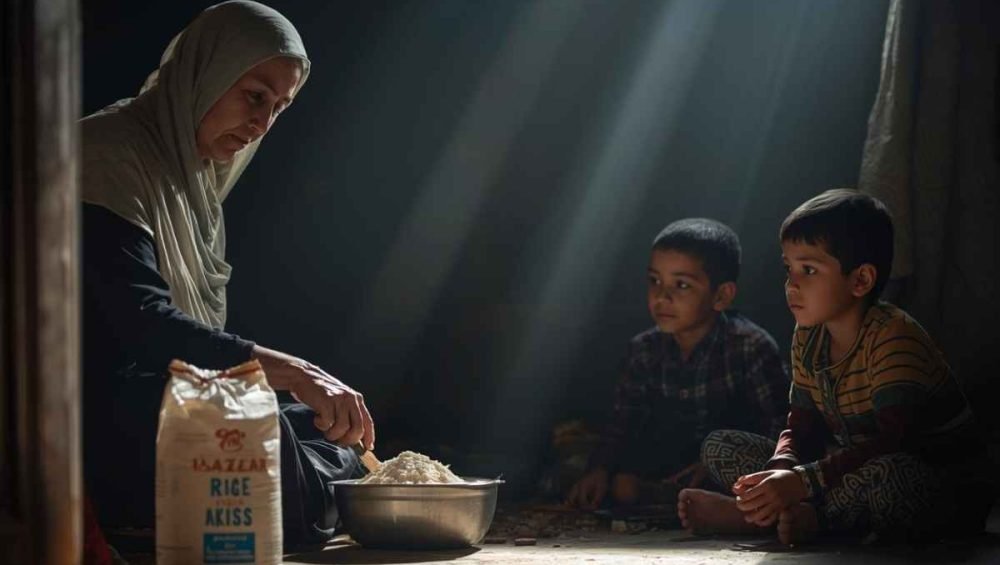
Zakat during Ramadan carries weight beyond obligation. The month already changes daily habits. Hunger feels closer. Need becomes visible. Many families struggle quietly during this time. Zakat in Ramadan reaches them when pressure peaks. That timing matters. Across several regions, Ramadan increases financial strain instead of ease. Food costs rise. Work slows. Medical needs do not wait. Ramadan zakat obligation fills that gap. It protects dignity. It keeps households stable. That support often arrives before situations collapse. Understanding The Meaning Of Zakat In Ramadan Zakat during Ramadan reflects responsibility tied to faith. Islam connects worship with social care. The Qur’an places Zakat beside prayer repeatedly. Scholars explain that connection clearly. Faith without care remains incomplete. Ramadan strengthens awareness. Fasting removes distance from hardship. A person feels hunger. Another family lives there daily. Zakat in Ramadan responds to that reality. The act purifies wealth and restores balance. Zakat in Ramadan (Hadith) Anas (رضي الله عنه) narrated that the Prophet ﷺ was asked: “Which fast is most virtuous after Ramadan?” He ﷺ replied: “Sha’ban in honor of Ramadan.” He was then asked: “Which charity is best?” The Prophet ﷺ said: “Charity in Ramadan.” Studies from Islamic charities show donation rates rise sharply during Ramadan. Some reports increase above 40 percent. The rise does not come from habit alone. Awareness plays a role. So does urgency. Why Ramadan Is The Best Time To Give Zakat Many scholars describe Ramadan as the best time to give Zakat. Reward multiplies. Intention deepens. Hadith literature highlights generosity during this month. Charity carried greater weight during the Prophet’s Ramadan practices. Economic stress also increases during Ramadan. Families face reduced income in labor-based economies. Daily expenses grow. Zakat donations in Ramadan arrive during that strain. Early support prevents deeper harm. Some Muslims choose Ramadan as a fixed annual Zakat point. That approach adds consistency. It also ensures Zakat reaches people during heightened need. Who Has To Pay Zakat In Islam Zakat in Islam is required for every adult Muslim who owns enough wealth. This minimum amount is called nisab. If a person keeps wealth equal to or above nisab for one full lunar year, zakat becomes due. This wealth can include savings, gold, silver, business income, or investments. Zakat is not required from people who cannot meet basic daily needs or who are under heavy debt. Many Muslims ask about zakat eligibility during Ramadan because this is the most common time to check wealth and fulfill the obligation. Zakat purifies wealth and helps people in need with dignity, care, and compassion. How Zakat Donations In Ramadan Help Families Survive Ramadan zakat obligation often supports immediate survival. Food remains the first concern. Many families lack stable meals throughout the month. Zakat-funded food packs cover essential needs. That assistance protects fasting households. Global hunger data shows one in nine people face food insecurity. Muslim regions remain among the most affected. Zakat in Ramadan reduces that risk directly. The support arrives without burden or shame. Many donors now use a Zakat al Fitr calculator to ensure their contribution meets Islamic guidelines for those in need accurately and on time. Healthcare also relies on Zakat funds. Medical emergencies increase during economic stress. Zakat helps families afford treatment and medication. Early medical support prevents long-term damage. Some families say the help arrives just in time. That timing saves lives. Donate zakat online to protect families facing immediate risk. How Zakat During Ramadan Helps Families Rebuild Survival alone does not end hardship. Rebuilding requires stability. Ramadan zakat obligation supports that transition. Education assistance plays a key role. Children often leave school when families lose income. Zakat covers fees and supplies. UNESCO data confirms millions of children lack access to education. Zakat programs help prevent long-term loss. Education restores hope and direction. Livelihood support also matters. Zakat funds vocational tools and small businesses. Families regain income sources. Dependence decreases. Dignity returns. The Yaqeen Welfare Organization  focuses on structured Zakat programs that promote independence. That approach aligns with Islamic guidance on sustainable care. Trust And Transparency In Zakat Distribution Zakat requires accountability. Islamic law defines eligible recipients clearly. Distribution must follow those guidelines. Trust grows when transparency exists. Zakat transparency in healthcare strengthens this trust by showing how funds are used to support medical needs responsibly. Research-based organizations publish audits and impact report by Social Impact Solutions. That practice protects donor confidence. It also protects recipients. Yaqeen Welfare applies strict Zakat compliance. Programs focus on verified needs and lawful categories. Zakat in Ramadan reaches families affected by poverty, displacement, and crisis. Support Families Through Zakat via trusted distribution channels. Benefits of Zakat In Ramadan For The Giver Zakat in Ramadan benefits more than recipients. Studies link charitable giving with emotional stability. Islam emphasizes purification of wealth and heart. Zakat removes attachment and builds gratitude. Many donors report increased peace after fulfilling Zakat. The act realigns priorities. Ramadan amplifies that effect. Community benefits also follow. Zakat reduces inequality. Social bonds strengthen. Collective care defines Islamic ethics. Zakat due in Ramadan transforms individual worship into shared responsibility. Common Questions About Zakat In Ramadan Many ask whether Zakat remains valid outside Ramadan. Islamic law allows payment anytime once due. Ramadan remains recommended due to reward and urgency. Others ask about international Zakat. Scholars permit transfer when need exists elsewhere. Digital payment also remains valid with clear intention. Yaqeen Welfare ensures Zakat reaches eligible recipients according to Qur’an and Sunnah. Frequently Asked Questions Is it better to give Zakat due in RamadanScholars recommend Ramadan due to multiplied reward and urgent need. How does Zakat due in Ramadan help familiesZakat supports food, healthcare, education, and livelihoods. What are Zakat rewards in RamadanIslamic teachings describe increased reward tied to intention and timing. Can Zakat support emergency aidIslam permits emergency use for eligible recipients. Who receives Fulfilling zakat during RamadanRecipients include the poor, needy, displaced, and indebted. Can Zakat be paid onlineDigital payment remains valid with proper intention. Final Reflection Zakat during Ramadan connects belief with action. Families survive today because someone