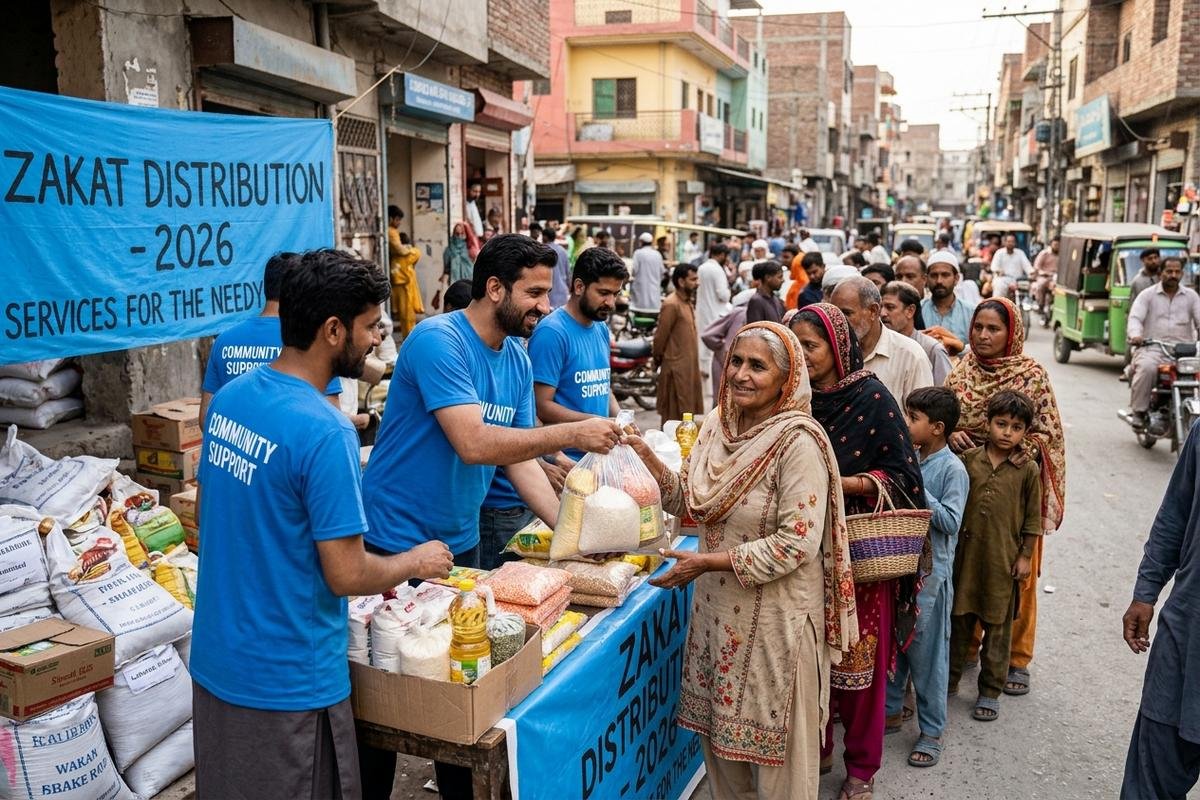
Zakat in Ramadan is very special for Muslims everywhere. Ramadan is a holy month that helps people think, stay strong, and care for others. Many Muslims choose Ramadan as the best time to pay their Zakat. You must learn the right way to do Zakat Calculation in Ramadan. When you do it right, it helps your faith and helps poor people. Studies show over sixty percent of Muslims pay Zakat in Ramadan. This timing makes people more responsible and helps the community. Sadaqah in Ramadan also increases during this month. Sadaqah is an extra charity you choose to give. But Zakat is required. You must pay for it. Knowing the difference is important. Think of Zakat Calculation in Ramadan as careful steps. Follow these steps to obey the Qur’an and Sunnah correctly.
Why Zakat Calculation in Ramadan Matters More
Ramadan amplifies rewards for good deeds. Scholars highlight increased blessings for charity during the month. You should recognize a greater need across vulnerable communities. Global Muslim aid reports show food insecurity rises sharply in Ramadan across low-income regions. Zakat Calculation in Ramadan meets urgent needs at the right time.
Sadaqah in Ramadan adds emotional support. Zakat delivers structured relief. Both serve unique roles. Balanced understanding prevents confusion. Families rely on correct Zakat distribution for survival and dignity.
Understanding Zakat Before You Calculate
What Zakat Means in Islam
Zakat represents the purification of wealth. Islam treats wealth as a trust from Allah. You should view Zakat as a responsibility, not a loss, as this reflects the Obligation of Zakat in Islam. Qur’anic guidance connects Zakat with prayer repeatedly. Scholars emphasize accountability before Allah. World Zakat Forum data estimates over three hundred billion dollars of Zakat potential yearly.
Difference Between Zakat and Sadaqah in Ramadan
Zakat requires obligation once conditions apply. Sadaqah in Ramadan remains voluntary. A reward exists for both forms. Replacement does not apply. You should never substitute Zakat with voluntary charity. Clear separation protects obligation and intention.
Step 1 – Identify Zakatable Assets
Zakat on Gold and Savings
Gold ownership above Nisab requires Zakat. Silver ownership also qualifies. Cash savings count fully. You should review possession across twelve lunar months. Studies from Islamic finance councils show many people overlook personal savings accounts. Awareness ensures accuracy.
Other Assets That Require Zakat
Bank balances qualify for Zakat. Investment accounts also apply. Business inventory counts at market value. You should exclude personal use items. Correct classification prevents underpayment or excess payment.
Step 2 – Understand the Nisab Threshold for Zakat
What is Nisab, and why does it matter?
The Nisab threshold for zakat defines eligibility. Gold-based Nisab equals eighty-seven grams. Silver-based Nisab equals six hundred twelve grams. You should choose the standard based on the benefit to recipients. Scholars often recommend silver due to wider inclusion—market data from 2025 shows silver Nisab results in higher charity coverage.
Step 3 – Apply the Zakat Calculation Formula
Standard Zakat Calculation Formula Explained
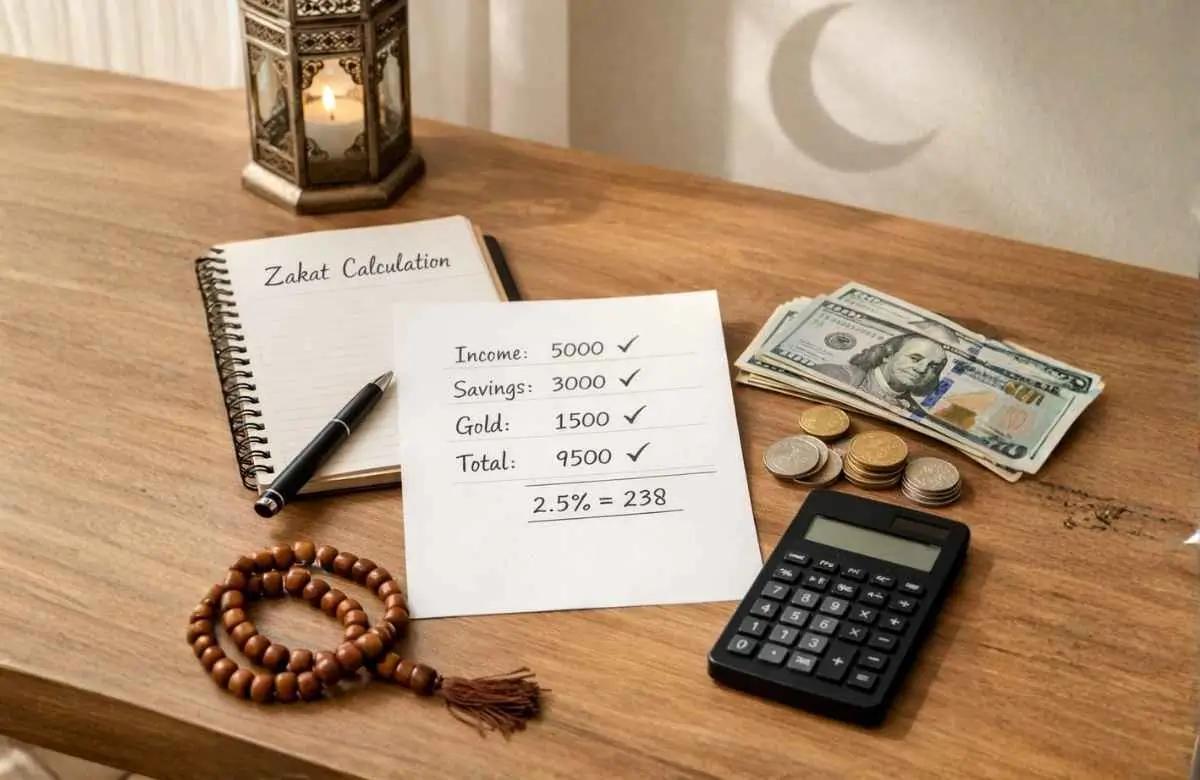
The Zakat calculation formula follows clarity. You should total eligible assets. You should subtract immediate liabilities. You should multiply the remaining amount by 2.5 percent. Precision matters. Financial experts confirm formula consistency across Islamic schools. Simple calculation prevents confusion and error.
Step 4 – How to Calculate Zakat in Ramadan Accurately

Using a Ramadan Zakat Calculator
Technology supports accuracy. Ramadan zakat calculator tools reduce error risk. You should verify the tool’s credibility before use. Research from nonprofit finance groups shows calculators improve compliance by forty percent. Automation supports clarity but does not replace knowledge. Sadaqah in Ramadan often follows Zakat payment. Intentional order strengthens discipline. You should prioritize obligations first.
Common Mistakes People Make in Zakat Calculation
Many people ignore short-term debts. Some misjudge Nisab values. Others combine Zakat with Sadaqah in Ramadan incorrectly. You should avoid estimation without records. Financial literacy surveys show over thirty percent of Muslims underestimate Zakat. Education solves such gaps.
How Your Zakat Supports Communities Through Yaqeen Welfare
Yaqeen Welfare distributes Zakat with transparency. Programs focus on food security, education, and health care. You should trust verified institutions for impact. Reports from lake Institute faith-based charities confirm that structured systems protect donor intention.The Yaqeen Welfare Organization follows Shariah compliance and accountability. Sadaqah in Ramadan through Yaqeen Welfare expands outreach. Zakat ensures sustainable relief. Combined efforts uplift families long-term.
FAQs
How often should Zakat be calculated?
You should calculate once per lunar year.
Can Zakat be paid early in Ramadan?
Early payment remains valid if the obligation exists.
Does salary income require Zakat?
Savings from salary qualify after Nisab.
Is gold jewelry subject to Zakat?
Scholars differ. Many include jewelry above Nisab.
Can Zakat support family members?
Direct dependents do not qualify.
Does Sadaqah in Ramadan replace Zakat?
Replacement does not apply.
What happens if Zakat gets delayed?
Delay requires immediate correction and repentance.
Final Thought
Zakat Calculation in Ramadan demands care and sincerity. You should prepare before the month begins. Knowledge prevents mistakes. Faith grows through correct action. Sadaqah in Ramadan enhances generosity. Zakat secures an obligation. Balanced charity transforms lives and hearts. Donate Now through Yaqeen Welfare to fulfil your zakat and sadaqah with trust and impact.
Read more informative article: