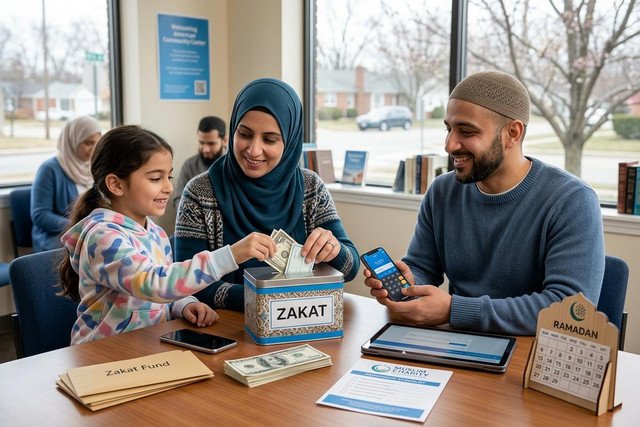
Yes, Zakat al-Mal can be paid before Ramadan as long as your wealth has reached the Nisab threshold, allowing donors to fulfill urgent humanitarian needs ahead of schedule.
Many Muslims ask whether zakat can be given before Ramadan because they mistakenly believe they must wait for the fasting month. Consequently, this delay can hinder urgent charitable efforts for vulnerable communities across the USA. By understanding the guidelines for early payment, you can provide critical support when families need it most. Organisations like Yaqeen Welfare Foundation help support vulnerable communities through meaningful charitable initiatives. Therefore, fulfilling your zakat 2027 obligation early ensures your donations reach those facing immediate hardships without unnecessary delays.
Can Zakat Be Given Before Ramadan? The Core Ruling Explained
The question of whether zakat can be given before Ramadan arises frequently among American Muslims looking to optimize their charitable impact. Specifically, Islamic jurisprudence generally permits advancing your obligatory charity through a practice known as ta’jeel al-zakat. This allowance requires that you already possess the minimum wealth threshold, or Nisab, for a complete lunar year. Consequently, once your assets meet this specific baseline, you do not have to wait for a designated month to distribute your funds.
Furthermore, scholars agree that advancing payments helps address unexpected crises rapidly. Because emergencies happen year-round, this flexibility is especially important for households in the USA facing sudden financial burdens. As a result, your early contributions provide immediate relief to those who cannot wait for the traditional giving season. Therefore, calculating your dues early using a reliable zakat calculator guarantees that your wealth purifies your assets while directly benefiting the local and global community effectively.
The Scholarly Evidence: Can Zakat Be Given Before Ramadan? Hanafi and Shafi’i Views
Similarly, if you are wondering whether zakat can be given before Ramadan, the Hanafi and Shafi’i schools of thought offer clear guidance. Indeed, both prominent schools confirm that advancing your obligatory charity is entirely permissible once the Nisab is established. Because their rulings stem from a well-known event where the Prophet Muhammad allowed his uncle Al Abbas to pay his dues two years in advance, this historical precedent firmly establishes early distribution as a valid practice.

Insights on Can Zakat Be Given Before Ramadan: Islamqa Rulings
Additionally, while investigating the topic of whether zakat can be given before Ramadan, Islamqa and similar scholarly platforms provide modern context. Ultimately, the consensus highlights that fulfilling this duty early serves the greater good of the community and maximizes humanitarian aid. In contrast, the Maliki school traditionally prefers payment precisely when the due date arrives, though exceptions exist for pressing emergencies. As a result, understanding these scholarly perspectives helps donors in the USA make informed decisions for 2027 planning.
Zakat Al-Mal Timing vs. Zakat Al-Fitr: Clarifying the Deadlines
Importantly, it is essential to distinguish between different types of Islamic charity when planning your donations. Specifically, the zakat al-mal timing relies strictly on your personal financial year, meaning the twelve lunar months since your wealth reached the Nisab. Because this timeline is unique to each individual, paying it early simply means discharging the obligation before your personal deadline arrives. Therefore, this flexibility makes it much easier to support pressing causes throughout the year.
Conversely, Zakat al-Fitr is tied directly to the completion of the fasting month and the approach of Eid celebrations. Because its primary purpose is to purify the fasting person and feed the poor specifically on the day of Eid, you cannot pay it months in advance. Consequently, those determining who is eligible to pay zakat must clearly separate these two obligations. As a result, misunderstanding this crucial distinction often leads to administrative confusion for charities managing seasonal distributions.
4 Vital Steps for Your Ta’jeel Al-Zakat Reconciliation Checklist
To ensure your early payments align perfectly with Islamic guidelines, you must follow a structured approach throughout the year. Because properly managing your advance contributions prevents unexpected shortfalls, you must organize your records before your actual due date finally arrives. Therefore, these four vital steps will help you track your ta’jeel al-zakat payments accurately, maintain strict compliance with religious requirements, and maximize your impact across the USA.
1. Verify Your Nisab Threshold First
Before you distribute any funds early, you must confirm that your current wealth meets the minimum required baseline. Because your assets must reach the Nisab initially, any money given below this mark is considered optional charity rather than obligatory dues. Therefore, you must maintain this baseline wealth to qualify for early payment across the USA and fulfill your core religious requirement.
2. Formulate the Correct Niyyah
Intention remains a fundamental requirement for any act of worship in Islam, including your various financial obligations. Specifically, when you transfer your funds, you must consciously intend for the money to count toward your obligatory annual wealth tax. Consequently, without this specific intention at the exact time of payment, the donation will only count as general charity rather than fulfilling your mandated yearly dues.
3. Document Every Advance Payment
Keeping precise financial records is critical for anyone advancing their charitable dues over several months. For example, you must track exactly how much you paid early and the exact date of each transaction throughout the year. As a result, maintaining accurate logs ensures that your final calculation remains completely transparent and entirely free from mathematical errors during your final reconciliation.
4. Perform a Final Hawl Adjustment
When your actual due date finally arrives, you must recalculate your total wealth for the entire lunar year. If your assets increased significantly, you might owe a small remaining balance to cover the new difference. Conversely, if your wealth decreased unexpectedly, your overpayment simply transitions into highly rewarded optional charity for the community, ensuring your original contribution remains deeply valued.
Humanitarian Impact: Why Early Giving Meets Critical Needs in the USA
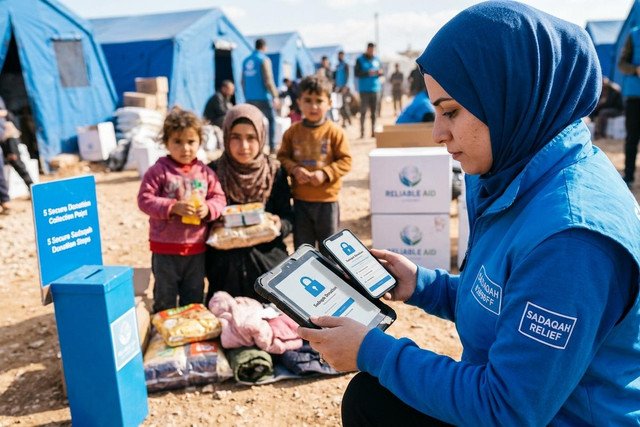
Furthermore, distributing your wealth ahead of schedule produces a profound impact on vulnerable communities across the USA. Because humanitarian organizations constantly face unpredictable emergencies, they rely heavily on consistent funding outside of traditional giving seasons. Consequently, when donors advance their payments, charities secure the necessary liquidity to respond to these sudden disasters immediately. As a result, this proactive approach transforms how welfare organizations manage their logistics and support networks into 2027.
Reviewing Your Charity USA 2026 Guide for 2027 Goals
Additionally, planning your philanthropy requires access to reliable resources and clear strategic foresight. For example, as we move into 2027, utilizing a comprehensive Charity USA 2026 guide helps you identify the most urgent causes from the previous year. As a result, this reflective process allows you to allocate your advance payments where they will generate the highest social return. Therefore, careful preparation ensures that your wealth actively combats poverty and supports sustainable community development initiatives.
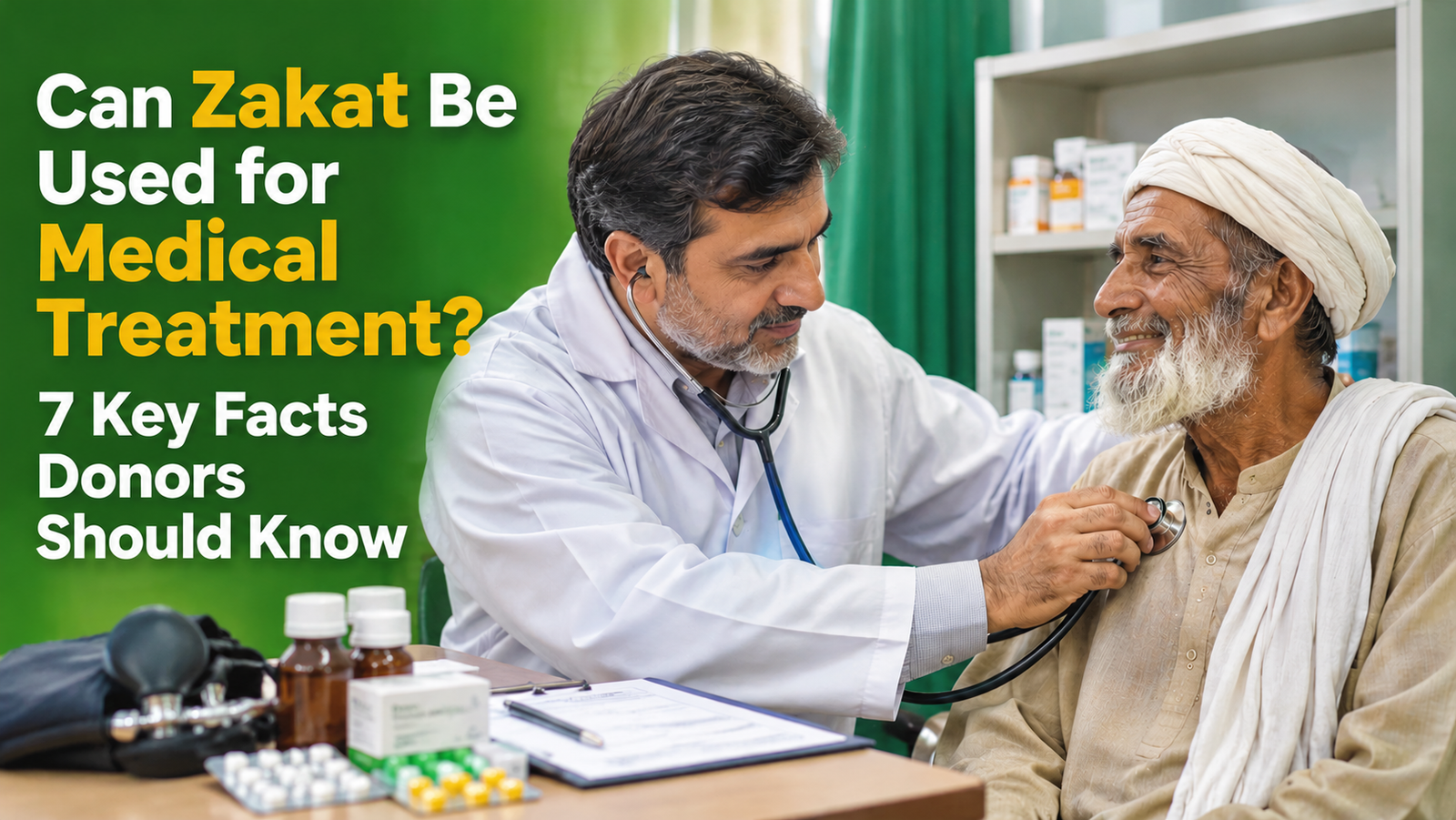
For instance, funding for zakat medical programs often requires immediate cash flow to secure life-saving treatments and essential surgical supplies. Because waiting until a specific season to donate can leave patients without vital care, early funding closes dangerous gaps during extremely critical windows of opportunity. Therefore, by choosing to give early, you empower field teams to deliver uninterrupted assistance to families facing severe physical and financial hardships.
Ultimately, the flexibility within Islamic law reflects a deep wisdom designed to prioritize human welfare above rigid scheduling constraints. As a result, homeowners and professionals in the USA can leverage this flexibility to maximize their charitable footprint effectively. Furthermore, you can observe these continuous relief efforts directly on our YouTube channel to witness how your early contributions save lives. Therefore, providing support when the community needs it most ensures that your wealth serves its highest possible purpose.
Frequently Asked Questions
1. Which days are forbidden for fasting?
Fasting is forbidden on the two days of Eid and the Days of Tashreeq. This ensures Muslims celebrate these festive occasions fully and partake in community meals without restriction.
2. Can I kiss my girlfriend during Ramadan?
Islamic law prohibits intimate physical contact with a non-mahram person at all times. This rule is strictly emphasized while fasting to maintain spiritual purity and protect the validity of your fast.
3. Can I touch my husband’s private parts while fasting?
While marital affection is allowed, any action leading to ejaculation or intercourse invalidates the fast entirely. Married couples are strongly encouraged to exercise extreme restraint during daylight fasting hours.
4. Is it haram to sleep without a bra?
There is no Islamic ruling that mandates wearing specific undergarments like a bra while sleeping. Modesty requirements strictly apply to public life and interactions, not private rest in your own home.
5. Why do Muslims give zakat al-fitr before Eid?
Muslims give Zakat al-Fitr before the Eid prayer to ensure the poor have the means to celebrate the holiday. This early distribution allows them to enjoy a festive meal with the entire community.
Fulfill your obligation today and support Yaqeen Welfare Foundation’s field missions across the USA. By calculating and distributing your dues early, you provide immediate relief to those facing severe medical and financial hardships. Donate Now.