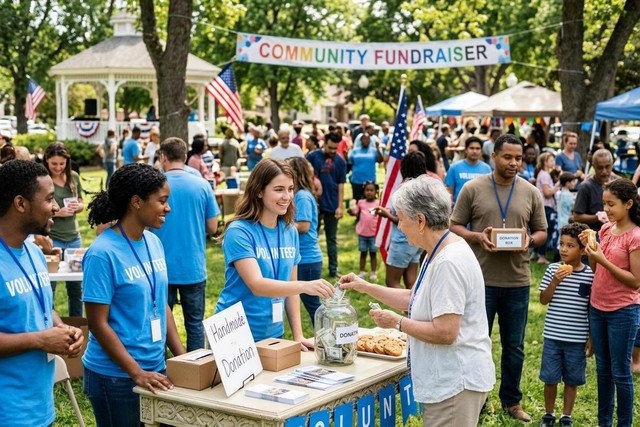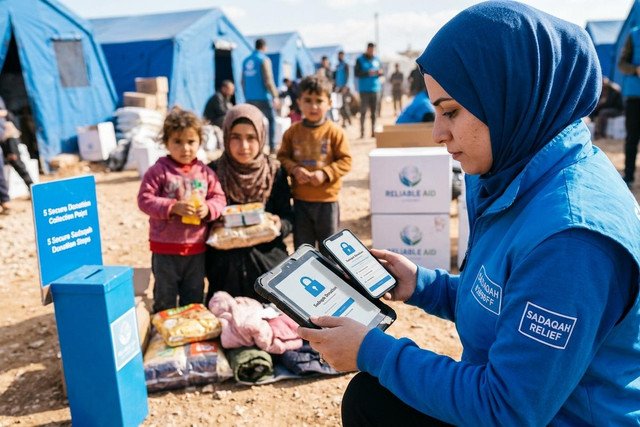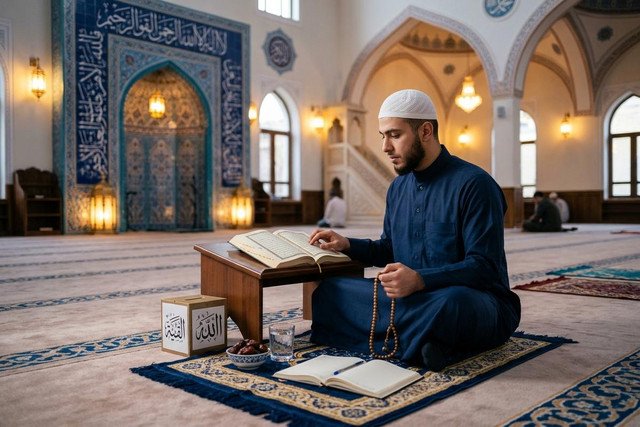
Preparing early during Rajab multiplies your spiritual rewards, prevents Ramadan burnout, and delivers urgent winter relief to displaced families across the globe. For American Muslims, establishing reliable giving routines through sadaqah donations turns divine guidelines into lasting habits. Understanding the true importance of Rajab in Islam allows you to build steady momentum instead of rushing at the last minute. Explore Yaqeen’s mission and charitable initiatives to discover meaningful ways to support communities and make a lasting difference. Because this month holds a sacred status, small acts performed today create a substantial impact for communities in need.
Table of Contents
- What Is the Importance of Rajab in Islam?
- The Three-Month Spiritual Bridge: Rajab, Sha’ban, and Ramadan
- What are the four forbidden months in Islam?
- Why Giving Charity and Sadaqah in Rajab Carries Amplified Rewards
- 5 Action Steps for Donors in the USA to Maximize Rajab
- Authentic Sunnah Practices vs. Common Rajab Misconceptions
- Frequently Asked Questions About the Month of Rajab
What Is the Importance of Rajab in Islam?
Rajab is the seventh month of the Islamic calendar and one of four divinely ordained sacred months. In Surah At-Tawbah (9:36), Allah commands believers not to wrong themselves during these months. Prophet Muhammad ﷺ confirmed this division in Sahih al-Bukhari, establishing that bad deeds carry greater spiritual weight while righteous deeds yield amplified blessings. In fact, classical scholars historically termed this period ‘Rajab al-Fard’ because it stands alone apart from the consecutive sacred months.
For this reason, honoring the month means treating it as an essential spiritual reset. American believers utilize these quiet weeks to plant virtuous habits for 2027 and future years. Instead of delaying sincere devotion until fasting begins, you prepare your soul through consistent prayer and generosity. Learning the foundation of charity in Islam helps you direct your wealth effectively during these blessed days. Discover more about Islamic teachings, faith, and charitable giving to strengthen your spiritual understanding during Rajab.
The Three-Month Spiritual Bridge: Rajab, Sha’ban, and Ramadan
Classical scholar Abu Bakr al-Warraq al-Balkhi described this blessed season using a timeless agricultural metaphor. He taught that Rajab is the month of planting seeds, Sha’ban is for watering them, and Ramadan is the harvest. If you ignore the soil during the planting phase, you cannot expect an abundant harvest later. Therefore, waiting until the first night of Ramadan often leads to exhaustion and early spiritual burnout.
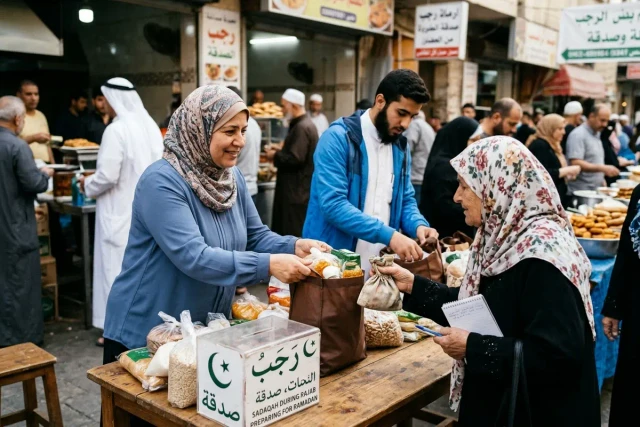
When you approach these three months as one unified journey, your daily worship strengthens naturally over time. For example, easing into voluntary fasts and Quran recitation now prepares both physical stamina and spiritual resolve. As a result, you welcome Ramadan with steady focus, genuine peace, and sustained charitable devotion.
What are the four forbidden months in Islam?
The four sacred or forbidden months in Islam are Rajab, Dhul-Qi’dah, Dhul-Hijjah, and Muharram. While three months occur back-to-back at the end of the year, Rajab stands completely separated in the seventh position. Historically, fighting was strictly prohibited during these intervals to allow safe passage for pilgrims traveling across Arabia. Today, the divine mandate to avoid internal sin and interpersonal conflict remains equally binding upon every believer.
To help you understand the distinct roles of these blessed occasions, review the quick reference table below:
| Sacred Month | Calendar Position | Primary Spiritual Focus |
|---|---|---|
| Rajab | 7th Month (Isolated) | Planting good deeds, istighfar, early charity |
| Dhul-Qi’dah | 11th Month | Restraint from conflict, travel preparation |
| Dhul-Hijjah | 12th Month | Hajj pilgrimage, Day of Arafah, Qurbani sacrifice |
| Muharram | 1st Month | Islamic New Year, fasting the Day of Ashura |
Because these boundaries are divinely established, respecting them requires intentional self-control and heightened awareness in your daily speech. Avoiding gossip, anger, and harsh words protects your deeds from being wasted during this sacred window.
Why Giving Charity and Sadaqah in Rajab Carries Amplified Rewards
Scholars such as Ibn Kathir emphasized that righteous deeds performed during sacred months hold distinguished virtue due to the sacredness of the time itself. When you provide early humanitarian relief, vulnerable communities receive life-saving sustenance before intense seasonal supply rushes begin. Displaced families facing severe winter cold, food insecurity, and poverty benefit instantly from early donations.
Furthermore, American Muslims can take advantage of recognized tax regulations by donating through a registered 501(c)(3) public charity within the USA. Giving consistent support ensures programs run without sudden financial bottlenecks. If you wish to understand specific forms of voluntary charity, reading about sadaqah in Islam gives practical guidance for your family giving plan. You can also explore Yaqeen’s mission and vision to learn about its purpose, values, and commitment to serving the community.
5 Action Steps for Donors in the USA to Maximize Rajab
Translating faith into measurable actions produces the best results when following a clear, structured roadmap. Instead of guessing how to prepare, take proactive steps that nurture your soul and support vulnerable households across the globe. Here are five practical steps to implement right now:
1. Audit Your Missed Fasts
Begin by calculating any obligatory fasts missed due to travel, illness, or pregnancy during earlier seasons. Repaying these debts promptly clears your record before the upcoming holy month arrives. Once mandatory obligations are settled, you can observe voluntary Sunnah fasting on Mondays, Thursdays, or the 13th, 14th, and 15th white days to build lasting physical endurance.
2. Automate Daily or Weekly Sadaqah
Set up scheduled recurring donations to build an unbroken routine of generosity throughout this sacred month. Regular modest gifts maintain a steady stream of blessings while protecting your intentions from arrogance. Choosing to give discreet, hidden charity ensures your heart remains humble and sincerely focused on divine acceptance.
3. Calculate and Pre-Pay Zakat Early
Many donors choose to distribute their annual wealth dues during Rajab rather than waiting for Ramadan. Islamic jurisprudence permits advancing your payment to relieve urgent humanitarian crises and food shortages without delay. Reviewing our resource on calculating zakat ensures your financial assessments remain precise, compliant, and deeply impactful.
4. Increase Daily Istighfar and Quran Recitation
Repentance purifies the human heart, softening it for serious contemplation and deeper prayer. Dedicate ten quiet minutes after your morning prayers to seek forgiveness and recite several pages of the Holy Quran. Over several weeks, this steady discipline forms an effortless daily habit that carries easily into your upcoming Ramadan routine.
5. Eliminate Interpersonal Disputes
Because Allah explicitly warned against wronging yourself during sacred months, repairing fractured personal relationships is an urgent priority. Reach out to estranged relatives, reconcile differences with neighbors, and let go of petty grievances. Also, remember to finalize financial obligations like fitrana in Islam 2026 so your family enters every holy season entirely unencumbered by outstanding dues.
Authentic Sunnah Practices vs. Common Rajab Misconceptions
Cultural traditions occasionally overshadow authentic Islamic practices, which creates confusion for believers seeking proper worship. For example, performing Umrah during Rajab is a praiseworthy Sunnah observed by companions like Umar ibn al-Khattab. In contrast, rituals like Salat al-Ragha’ib or singling out the 27th of Rajab for mandatory fasting have no authentic hadith verification.
While the miracle of Isra and Mi’raj is traditionally remembered during this month, worship must remain anchored in verified prophetic practices. Instead of adopting fabricated prayers, focus your energy on established Sunnah fasts, charity, and sincere repentance. Relying on authentic prophetic traditions guarantees your efforts remain fully rewarded without religious innovations. For more Islamic reminders, educational discussions, and faith-based guidance, explore the Yaqeen Institute YouTube channel.
Frequently Asked Questions About the Month of Rajab
1. What is the holiest month in Islam?
Ramadan is the holiest month in Islam because the Holy Quran was revealed during it. However, Rajab is one of the four sacred months designated for amplified good deeds and avoiding sins.
2. Can I pay my Zakat during Rajab instead of Ramadan?
Yes, advancing Zakat to meet urgent humanitarian needs during Rajab is completely permissible in Islamic jurisprudence. Doing so provides immediate food and medical relief to displaced families suffering severe winter distress.
3. Is fasting the entire month of Rajab required?
No, continuous fasting throughout Rajab is not a Sunnah requirement and was discouraged by several companions. Instead, observe voluntary fasts on Mondays, Thursdays, and the lunar white days.
4. What is the historical link between Rajab and the tribe of Mudar?
Prophet Muhammad ﷺ referred to it as “Rajab of Mudar” because the Mudar tribe strictly preserved its true calendar timing. They refused to alter sacred months for warfare purposes.
5. What are the best deeds to perform during Rajab?
The best deeds include seeking sincere istighfar, reciting Quran, making up missed fasts, and giving automated Sadaqah. These actions plant spiritual seeds for a fruitful Ramadan harvest.
Put Your Faith into Action in the USA
Turn your spiritual intentions into immediate relief for families facing famine, displacement, and winter hardship. Yaqeen Welfare Foundation provides secure, transparent humanitarian programs for donors across the USA, offering 100% Zakat-eligible and tax-deductible giving options. Donate Now to plant your seeds of reward today.