Sadaqah is one of the most beautiful ways a believer can show love, and it does not have to end with the living. Many Muslims ask whether they can give Sadaqah on behalf of a mother, a father, a spouse, a child, or a friend who has passed away. The answer, supported by authentic narrations and the understanding of respected scholars, is a comforting yes. This guide explains how Sadaqah works when you give for someone else, what ongoing charity means, and seven practical ways to do it. It also shows how your gift can reach families in Pakistan through Yaqeen Welfare Foundation.
If you have lost someone dear to you, you may feel there is nothing more you can do for them. Islam teaches otherwise. Your good deeds, your prayers, and your charity can continue to benefit them long after they have left this world.
What Is Sadaqah in Islam?
Sadaqah comes from the Arabic root meaning “truthfulness” or “sincerity.” It describes any voluntary act of giving done to please Allah. Unlike Zakat, which is a fixed obligation on those who meet the wealth threshold, Sadaqah has no minimum amount, no set time of year, and no requirement beyond a sincere intention.
A smile, a kind word, helping a neighbor carry groceries, feeding a hungry person, or paying for someone’s medicine can all count as Sadaqah. This is why Islamic charity is so broad. It is not limited to money, and it is open to everyone, rich or poor.
The Quran compares charity to a seed that grows into many ears of grain. You can read the verse about multiplied reward in Surah Al-Baqarah 2:261 on Quran.com. It reminds us that the reward of giving is far greater than the gift itself.
Sadaqah vs. Zakat: A Quick Comparison
Zakat is a pillar of Islam and a duty on eligible Muslims. Sadaqah is voluntary and can be given at any time. If you want to calculate your obligatory giving first, you can use the Zakat Calculator on the Yaqeen Welfare Foundation website. During Ramadan you may also want to use the Fitrana Calculator. Once your obligations are met, Sadaqah is a way to add extra reward and to remember those you love.
Can You Give Sadaqah for the Deceased?
Yes. This is one of the clearest and most reassuring teachings in Islamic charity. Scholars cite a narration in which a man told the Prophet Muhammad (peace be upon him) that his mother had died suddenly and asked whether she would receive a reward if he gave charity on her behalf. The Prophet said yes. You can read it in the collection of Sahih Muslim on Sunnah.com.
Because of this narration, giving Sadaqah for the deceased is widely accepted among Muslim scholars. When you give charity with the intention that its reward goes to your parents, they receive the benefit, and you do not lose your own reward either. Both of you gain.
Charity on Behalf of Parents
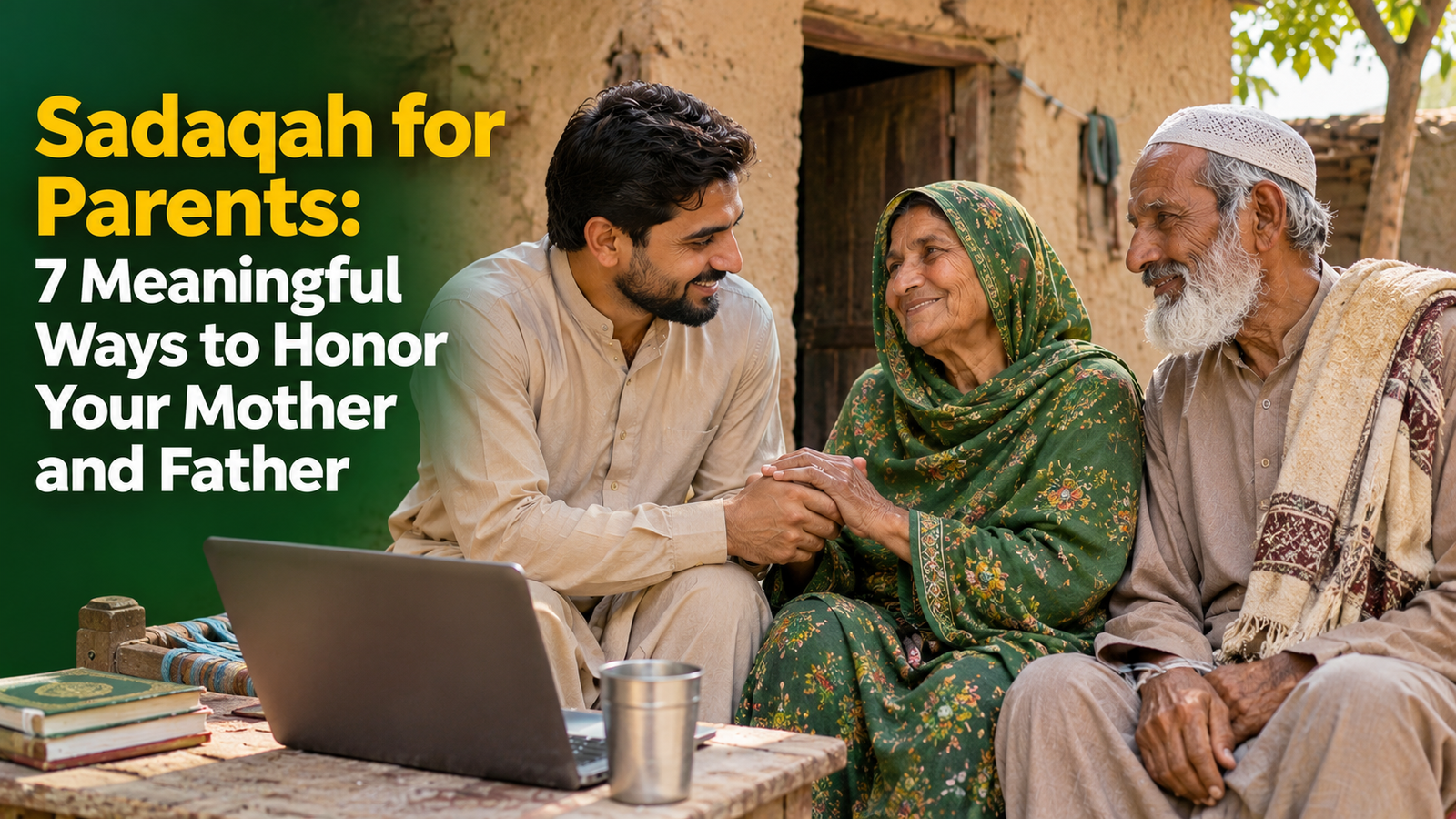
Charity on behalf of parents is especially meaningful. The Quran repeatedly commands kindness to parents, and that duty does not stop at death. Many children feel they never did enough for their mother or father while they were alive. Giving Sadaqah for them is one way to keep honoring them.
Practical steps to follow:
- Make a clear intention (niyyah) that the reward is for your parent.
- Give from lawful (halal) earnings.
- Choose a cause that would have made them happy, such as feeding the poor, treating the sick, or providing clean water.
- Make dua for them after giving.
You do not need to announce it. A quiet, sincere gift is often the most beautiful.
Understanding Sadaqah Jariyah for the Deceased
Sadaqah Jariyah means “ongoing charity.” It is a gift whose benefit keeps flowing and keeps earning reward even after the giver has passed away. The best-known hadith on this topic says that when a person dies, their deeds come to an end except for three: ongoing charity, beneficial knowledge, and a righteous child who prays for them. You can read this narration in Sahih Muslim on Sunnah.com.
This is why Sadaqah Jariyah for the deceased is so powerful. A well, a clinic, a school, or a fund for medicine continues to help people for years. Every person who drinks from the well, receives treatment at the clinic, or learns in the classroom adds to the reward of the person it was given for.
Why Ongoing Giving Matters
One-time charity is excellent and should never be belittled. Feeding a hungry family today is a real act of mercy. Ongoing Sadaqah adds something more: it creates lasting change. A village with clean water has fewer illnesses. A clinic that stays open keeps treating patients year after year. A school that educates girls and boys changes the future of an entire community.
7 Ways to Give Sadaqah on Behalf of Loved Ones
Here are seven practical ways to give Sadaqah for parents, relatives, or friends. Each one can be done with the intention that the reward reaches the person you are remembering.
1. Provide Clean Drinking Water
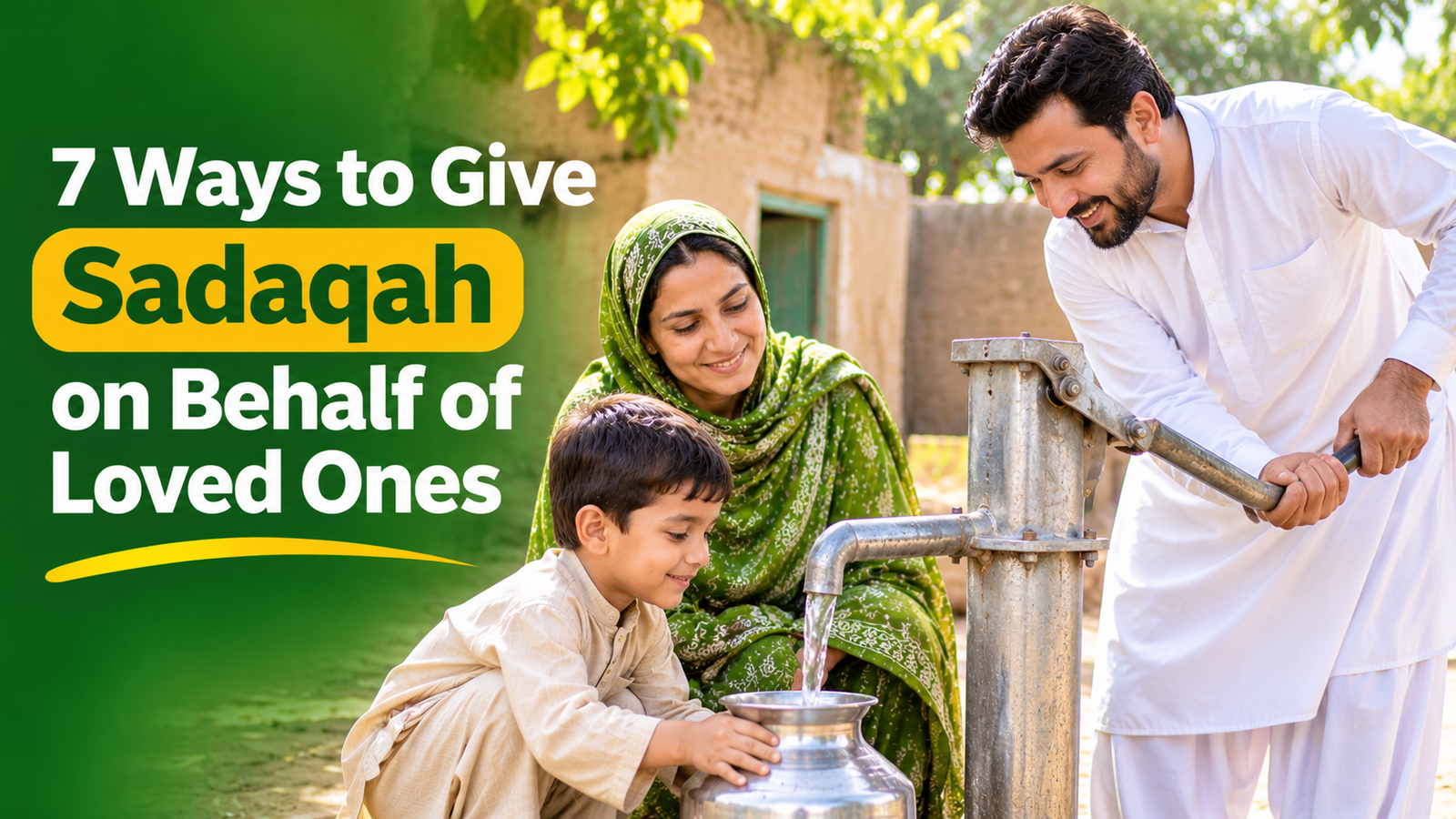
Water is life, and giving water is one of the most celebrated forms of Sadaqah Jariyah. A narration records that Sa’d ibn Ubadah (may Allah be pleased with him) asked the Prophet which charity was best for his late mother, and the Prophet pointed to giving water. Many scholars refer to this when they recommend wells and water projects for the deceased.
In rural Pakistan, many families still rely on unsafe water sources. The World Health Organization explains the health burden of unsafe drinking water in its drinking-water fact sheet. Clean water reduces disease, protects children, and saves families from medical costs they cannot afford. A hand pump or a water filtration project in the name of your loved one can serve a community for years.
2. Fund Free Medical Treatment
Healthcare is one of the greatest needs among underserved communities. Many people in rural areas travel long distances only to find they cannot afford a doctor’s fee. When you sponsor treatment, you remove that barrier.
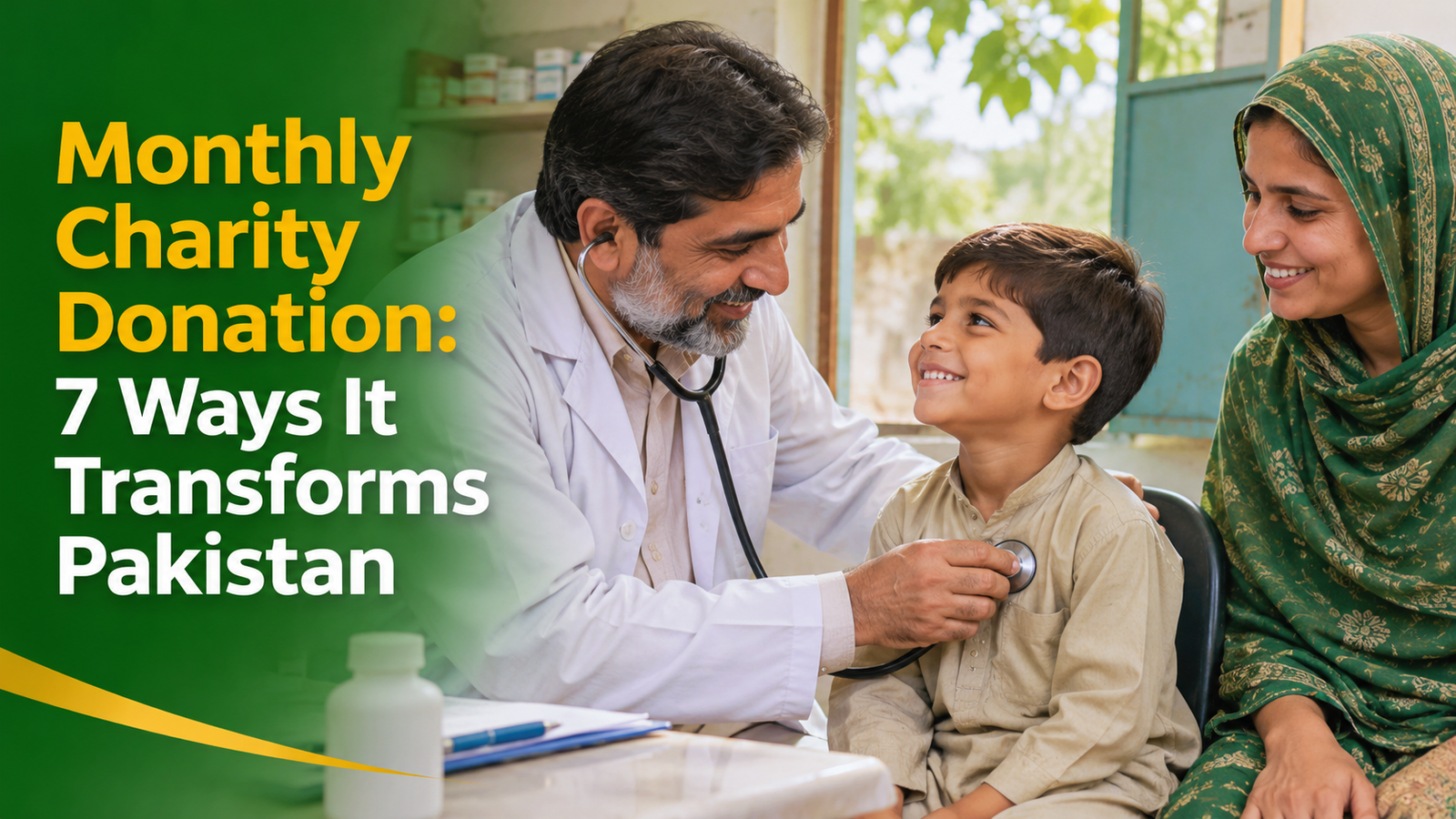
Yaqeen Welfare Foundation focuses on free medical care for people in Pakistan. You can learn more in the guide on Free Medical Treatment in Pakistan 2026 Guide. Sponsoring patient care in the name of your mother or father is a gift that heals bodies and brings relief to entire families.
3. Donate Free Medicine
A diagnosis means little without medicine. For a low-income family, one prescription can be the difference between recovery and a worsening illness. Read more about this need in Free Medicine in Pakistan: 9 Reasons It Saves Families. Giving medicine on behalf of someone who has passed away is a gentle, merciful act that often brings the whole family relief.
4. Support Hospital and Clinic Services
Hospitals and clinics need steady support: equipment, staff, supplies, and electricity. A gift to a medical facility works like Sadaqah Jariyah because it keeps serving patients every day. The article Hospital Donation Pakistan: 7 Reasons Your Gift Saves Lives explains why these gifts matter. You can also learn about the Yaqeen Health Clinic and how it serves the community.
5. Sponsor Education
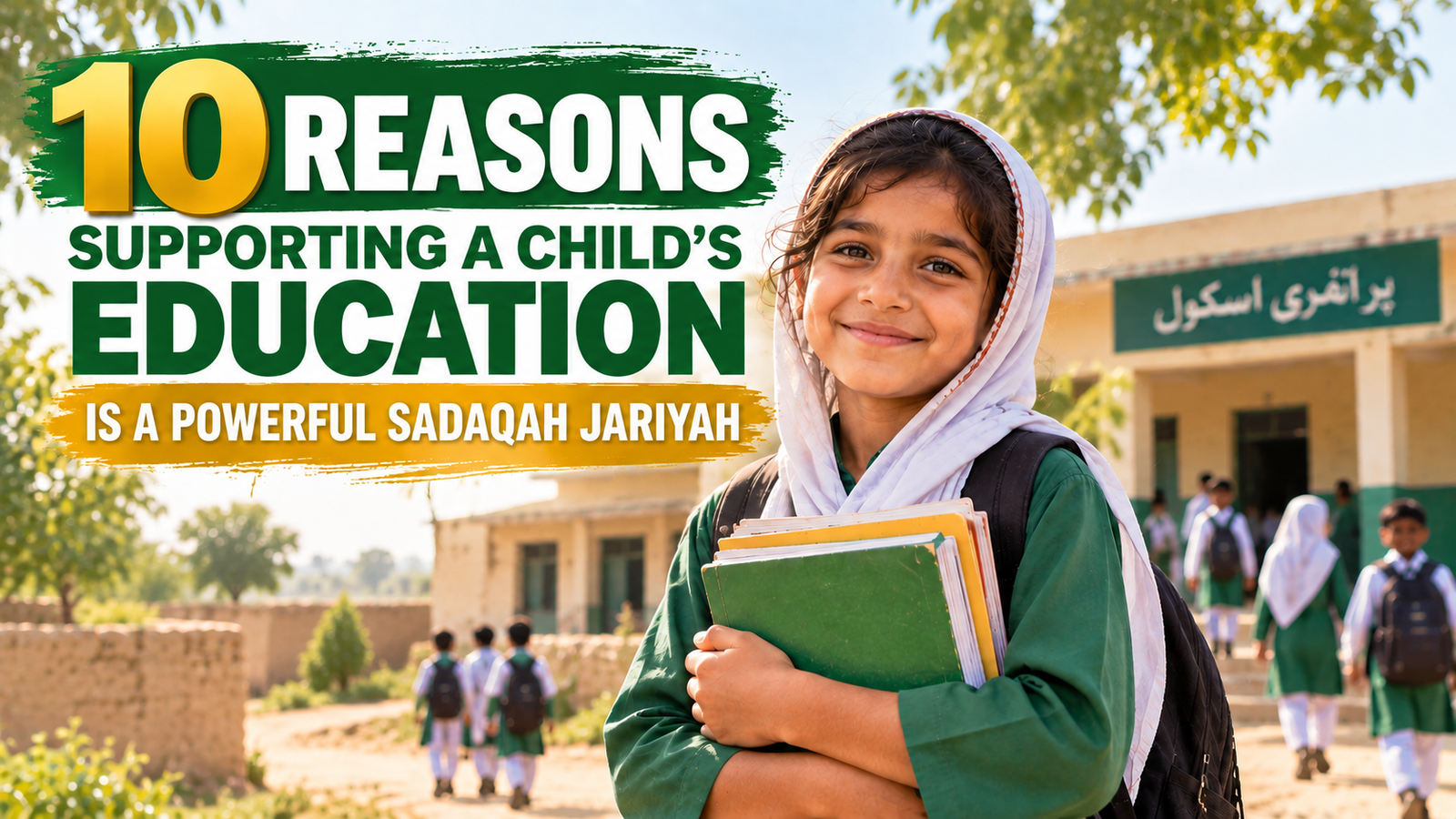
The hadith about three lasting deeds includes beneficial knowledge. Education is a form of ongoing charity because the knowledge a student gains is carried into their family, their work, and the next generation. Supporting schooling and learning programs in rural Pakistan, in the name of your parents or grandparents, creates a legacy of knowledge that continues to grow.
6. Feed the Hungry and Support Families
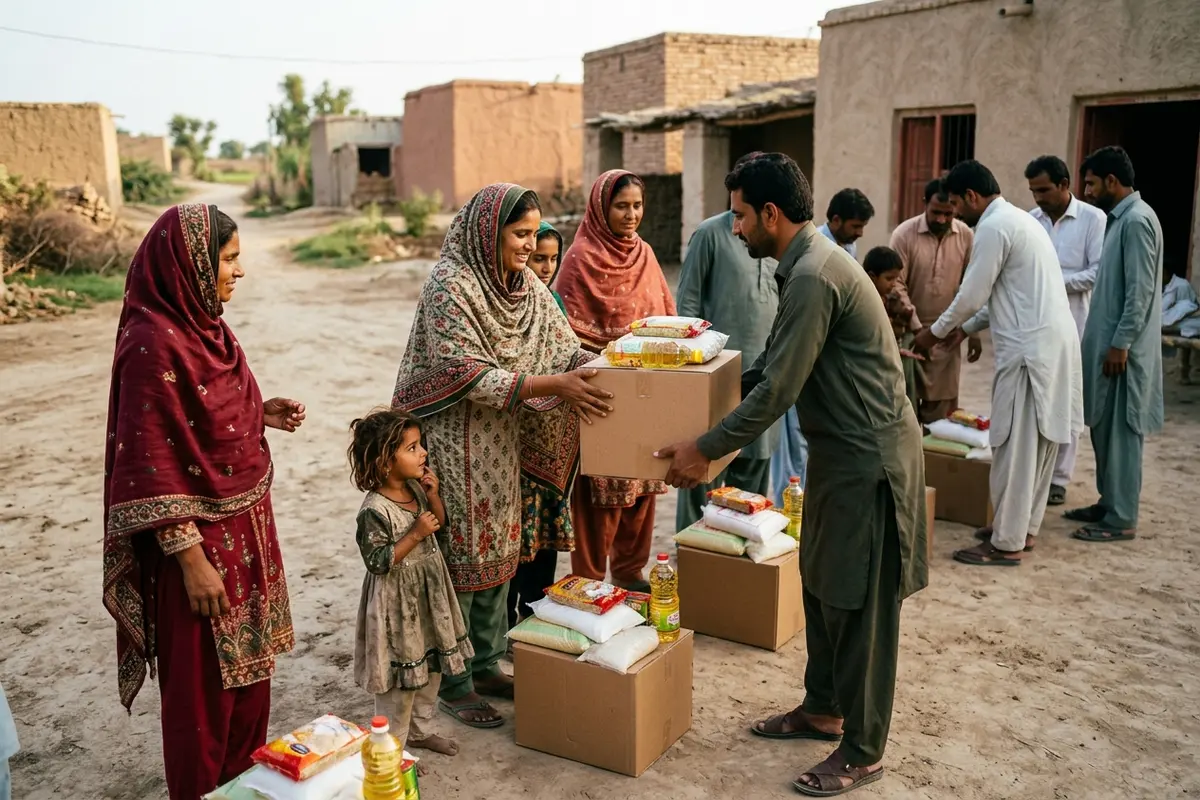
Food, essential supplies, and household support are timeless forms of Sadaqah. A meal shared with a poor family, groceries for a widow, or help for a family struggling after the loss of a breadwinner are all beloved acts. These gifts offer immediate relief while you build deeper, long-term charity alongside them.
7. Give Regularly, Even a Small Amount
The Prophet (peace be upon him) taught that the most beloved deeds to Allah are the consistent ones, even if small. A small monthly gift in the name of your loved one can become a steady stream of reward. Many donors set a recurring amount in memory of a parent, so that Sadaqah is given every month without fail.
Table: Forms of Sadaqah for a Loved One at a Glance
| Form of Sadaqah | Type | Example of Giving | Who Benefits |
|---|---|---|---|
| Clean water | Sadaqah Jariyah (ongoing) | Hand pump or water filtration point | Entire villages, children, and families |
| Free medical treatment | Ongoing or one-time | Sponsoring patient care and checkups | Patients who cannot afford a doctor |
| Free medicine | One-time, repeatable | Funding prescriptions | Sick children, parents, and elders |
| Hospital or clinic support | Sadaqah Jariyah (ongoing) | Supporting equipment and daily operations | The whole surrounding community |
| Education | Sadaqah Jariyah (ongoing) | Sponsoring a student or learning program | Children and future generations |
| Food and family support | One-time, repeatable | Meals, groceries, and household aid | Poor families and widows |
| Monthly giving | Regular | Small recurring donation in a loved one’s name | Many causes, depending on your choice |
Giving Sadaqah on Behalf of Someone Who Is Alive
Many people also ask whether they can give Sadaqah for someone who is still living, such as a sick relative, an elderly parent, or a friend facing hardship. Giving charity with a prayer for a sick person’s recovery is a long-standing practice among Muslims, who hope Allah will bring healing and ease. The Prophet is reported to have encouraged treating the sick with charity.
Scholars generally explain that a living person’s own deeds are the main source of their reward, while your Sadaqah is still an act of love and a means of dua for them. If you can, tell the person you are giving in their name. It strengthens love and brings joy. If you have a specific question about your situation, speak with a trusted scholar.
Etiquette of Giving Sadaqah in Someone’s Name
To make your Sadaqah as sincere and beneficial as possible, keep these points in mind:
Sincere intention. Give for the sake of Allah first. Then add the intention that the reward should reach your loved one.
Lawful wealth. Give from halal earnings. Allah is pure and accepts only what is pure.
Choose beneficial causes. Prefer gifts that help real people in lasting ways, such as health, water, and education.
Give discreetly when possible. Quiet charity avoids showing off and protects the dignity of the recipient.
Follow it with dua. Ask Allah to accept the deed and to grant mercy and forgiveness to the person you are remembering.
Choose a trustworthy organization. Make sure the charity you give through is transparent, accountable, and truly reaches the people it promises to serve.

Why Give Sadaqah Through Yaqeen Welfare Foundation?
Yaqeen Welfare Foundation works to provide free medical treatment, clean water, and several other kinds of support to people in Pakistan. Its goal is to bring dignity and relief to underserved communities, especially in rural areas. You can learn more about its vision on the Mission & Vision page and see its activities on the Events page.
When you give through a charity with a clear healthcare and welfare focus, your Sadaqah for the deceased can turn into real treatment for a patient, medicine for a child, or support for a struggling family. For donors living in the United States, the guide on a Donor Advised Fund for Charity in USA: 2026 Guide explains how to plan strategic giving. If you want to learn how healthcare giving can create the most lasting impact, read Best Charity in Pakistan for Healthcare in 2026.
For those combining Sadaqah with their yearly obligation, the article on Zakat Accepting Organizations in Pakistan 2026 offers helpful guidance on giving Zakat safely and effectively.
Ready to give? You can make a gift in memory of a loved one on the Yaqeen donation page. Mention your loved one’s name in your message so you can keep the intention clear.
How to Make Your Sadaqah Meaningful: A Simple Plan
A little planning turns a good intention into lasting good. Here is a simple approach:
- Remember your loved one. Think of what they loved, whether it was feeding guests, helping the sick, or supporting children.
- Pick a cause that fits them. If your father was always concerned for the sick, choose healthcare. If your mother loved giving water to travelers, choose a water project.
- Decide on an amount. It can be small or large. Consistency matters more than size.
- Set a pattern. Give on a special day, such as a death anniversary, Fridays, or during Ramadan, and consider monthly giving too.
- Make dua. After giving, ask Allah to accept it and to bless your loved one.
- Involve your family. Encourage children and siblings to join, so the memory of your loved one is honored together.
Common Mistakes to Avoid
- Delaying the intention. Do not wait for a perfect moment. Give what you can now.
- Thinking small gifts do not count. Even a small Sadaqah, given sincerely, is valuable.
- Giving without checking the organization. Always choose a charity that is open about where your money goes.
- Forgetting dua. Charity and dua go together. Do not neglect either.
- Treating Sadaqah as a replacement for Zakat. Zakat is obligatory. Sadaqah is an addition to it, not a substitute.
Final Thoughts
Giving Sadaqah on behalf of someone is an act of love that crosses the line between this life and the next. For a parent who has passed, a friend you miss, or a relative who needs healing, your charity can be a source of ongoing reward and mercy. Water, healthcare, medicine, education, and food each offer a different way to remember someone while helping people who need it now.
Do not let the thought “I cannot do much” stop you. A small gift, made with sincerity and followed by dua, can be a means of great good. Start today, and let the memory of your loved one become a source of life for others.
Frequently Asked Questions (FAQ)
1. Can I give Sadaqah for my deceased parents?
Yes. Authentic narrations indicate that charity given on behalf of a deceased parent reaches them, and scholars widely accept this. Make a clear intention, give from halal wealth, and make dua for them.
2. What is the difference between Sadaqah and Sadaqah Jariyah?
Sadaqah is any voluntary act of giving, such as food, money, or kindness. Sadaqah Jariyah is a gift that keeps benefiting people over time, like a well, a school, or a medical facility. It continues to earn reward for the giver, or for the person it was given for, as long as people benefit from it.
3. Does the reward of Sadaqah for the deceased reduce my own reward?
No. Scholars explain that you do not lose your reward when you give on behalf of someone else. Both you and the person you gave for are rewarded by the mercy of Allah.
4. Is there a minimum amount for Sadaqah?
No. There is no minimum. A small amount, a meal, or even a kind act counts. Consistency and sincerity matter most.
5. Can I give Sadaqah for someone who is sick?
Yes. Many Muslims give charity with the intention of seeking healing and ease for a sick relative or friend, and they make dua alongside it. For specific questions about your circumstances, consult a trusted scholar.
6. What are the best forms of Sadaqah Jariyah for the deceased?
Common choices include clean water projects, support for medical care and clinics, education, and building or supporting places of benefit. Each one serves many people for a long time.
7. Can I give Sadaqah in the name of more than one person?
Many scholars allow giving with the intention that the reward reaches several people, such as both parents. If you want certainty, you can give separate gifts for each person.
8. Is Sadaqah a replacement for Zakat?
No. Zakat is an obligation for those who meet the threshold, while Sadaqah is voluntary. You should fulfill Zakat first, and you can use the Zakat Calculator to estimate it.
9. Where can I give Sadaqah on behalf of a loved one?
You can give through the Yaqeen Welfare Foundation donation page to support free healthcare and welfare work in Pakistan. Include your loved one’s name so your intention is clear.
10. Can I give Sadaqah from abroad?
Yes. Donors in the USA and other countries support communities in Pakistan through online giving. See the guide on the Best Charity in Pakistan for Healthcare in 2026 for more details.
Contact Us
Have a question about giving Sadaqah on behalf of someone, or want to know which projects you can support in your loved one’s name? The Yaqeen Welfare Foundation team is happy to help.
- Contact online: Visit Yaqeen Welfare Foundation and use the contact options on the site
- Email: info@yaqeen.org
- Support: support@yaqeen.org
- Donate now: Give Sadaqah in a loved one’s name
May Allah accept your Sadaqah, forgive those who have passed, and make your giving a source of light for them and for you.