Rabi’ al-Awwal is a sacred time for Muslims to reflect on the legacy and teachings of Prophet Muhammad (peace be upon him), a truly remarkable human who lived with kindness, compassion, and great tolerance, and who cared for people so deeply that many still struggle to even come close. Donating to charity is probably the most obvious way to continue that tradition during Rabi’ al-Awwal. By making Rabi’ al-Awwal charity donations through organizations such as Yaqeen Welfare Foundation, Muslims can help different types of people, for example, poor or needy neighbors, or even single mothers and elderly people in the community.
It is often the tiniest things that can change somebody’s life in a great way. You could, for instance, imagine providing for a single person in need at a time when they really do not have any hope left and giving them that one thing that helps them get by. It does not have to be a luxury; even a small thing like a sack of groceries or a brand-new pair of shoes may be the right support when all hope is lost.
Why Rabi’ al-Awwal Charity Matters
Rabi’ al-Awwal is a meaningful time to remember the Prophet Muhammad ﷺ and the values of kindness, generosity, and compassion he taught. Charity gives Muslims a practical way to express these values by helping people facing hardship. Whether supporting families, orphans, healthcare, education, or basic needs, even a small act of sadaqah can bring comfort and hope to someone in need.
Rabi’ al-Awwal Charity: Ways to Share Blessings With Those in Need
Rabi’ al-Awwal charity helps people with the things that most of us take for granted every day, such as food, clothes, school fees, or a visit to a doctor, up to the level of having a functioning stove on a kitchen counter. A single charitable donation, even relatively small, is often enough to greatly alleviate the strain on a destitute family without anyone really being put out by making the request for free medical clinics. The kind of gesture is also what makes it so heartening. The recipient could be an old person living alone, a child who has been abandoned and left without support, or merely a person who, despite the utmost care in their planning, will never be able to cover a month only by the money earned.
The concept of charity is actually described in the Qur’an as a plant, which gives a whole new set of leaves that you couldn’t imagine by simply looking at the seed. One such image from Surah Al-Baqarah 2:261 should be really taken into contemplative thought. Moreover, a well-established charity organization is generally better at ensuring that the donated means reach the most deserving, whereas individuals, acting separately, might not have the capacity even, not to mention effectiveness, in doing the same thing.
Charity in Rabi’ al-Awwal: Help Families Facing Hardship
A few times a month, even the basics are difficult for a family, despite money management. Rabi al Awal charity is a great help here. They can provide food, clothes, school items, and household products as needed. Mission & Vision Surah Al-Baqarah in 2:215 points out groups such as the parents, relatives, orphans, the people in need, and travelers as being eligible for aid. It’s evident that this is no general good-feeling suggestion. It’s a well-thought-out plan. One school bag or a small bunch of textbooks could actually be the biggest relief for a parent who is going through a difficult time, sometimes even more than most people could expect from such small things. The act of giving charity should never be a showy affair since families want their privacy as much as they need the help.
Islamic Charity: Support Orphans and Vulnerable People
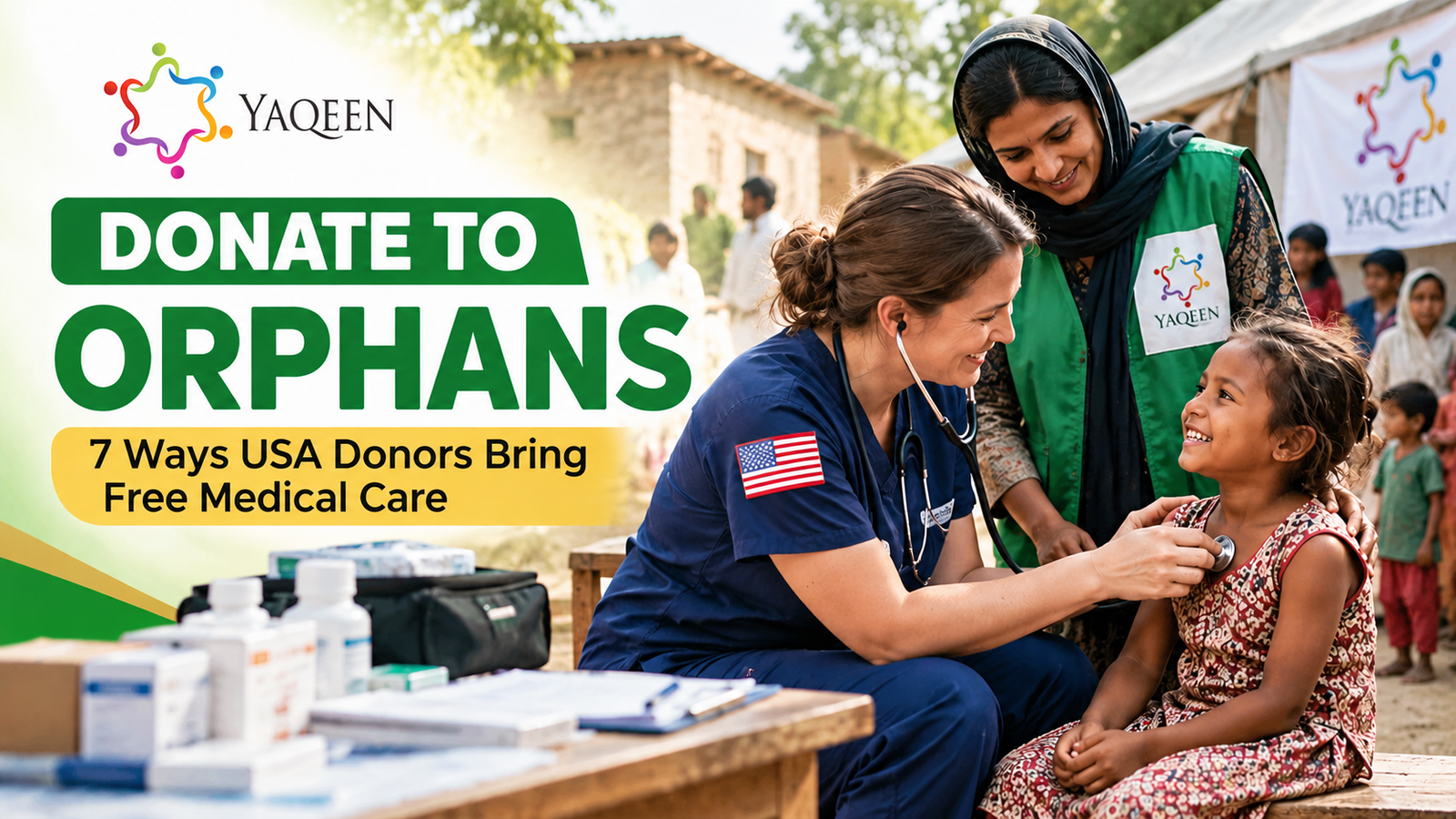
The orphans are especially mentioned in Islam’s teachings, and there is a very good reason why, when one analyzes the sources carefully. One can easily imagine that an orphaned child requires food, clothing, education, medical attention, and even just someone who will check on him or her and make sure that everything is okay. Verse number 93:9 of Surah Ad-Duha specifically instructs not to mistreat an orphan, and, indeed, this very short verse takes on great significance when considered in depth. This concern doesn’t stop with orphans either, since widows, elderly people, people living with disabilities, and families running on very little all fall under that same wider umbrella of care. A good charity organization tends to handle all of this quietly, without ever turning someone’s hardship into a spectacle for others to witness, and that quiet approach is really what separates a decent charity from a genuinely great one.
Giving Charity in Islam: Follow the Spirit of Compassion
Charity doesn’t come in just one shape or form, since sometimes it looks like food on a table, sometimes it looks like a diploma someone couldn’t otherwise have afforded, and sometimes it’s nothing more than a ride to the hospital when a family has no other way to get there. Rabi’ al-Awwal Charity echoes the values that Prophet Muhammad ﷺ lived out constantly throughout his life, values that his teachings kept circling back to no matter what situation he found himself in. The Qur’an does not shy away from being specific about the needy, orphans, and prisoners in Surah Al-Insan 76:8, which clearly implies that the Qur’an is very clear about the people who have the right to eat on the table. Acts of giving silently usually hold more significance than public acts of giving because it does not require an audience to see a righteous act for it to be considered an act of righteousness. Ideally, such acts should not stop after the month of Rabi’ al-Awwal.
Rabi’ al-Awwal Charity: Donate Food to Families in Need
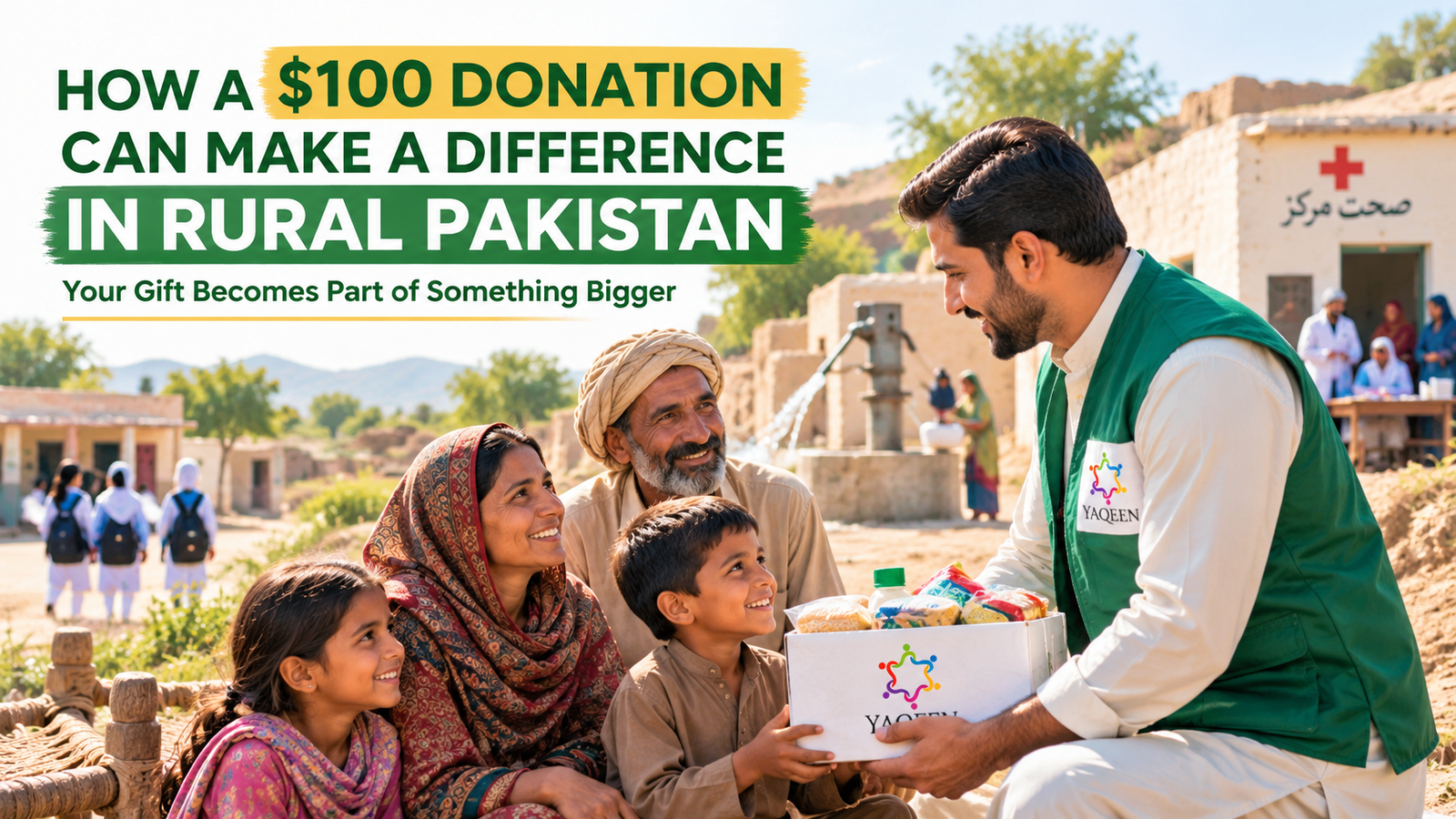
Food is about as basic a need as it gets, which is exactly why food charity tends to deliver relief almost instantly to the people who receive it. In the context of a charitable effort, raw food items can be distributed in one instance while prepared food can be offered in another based on the specific requirements of the family concerned. Usually, it is rice, wheat flour, lentils, cooking oil, sugar, and dates that provide the most benefit to a family. Some charities offer food distribution services on a regular basis to those who lack access to any sort of food, and in such cases, continuity proves more valuable than any single major contribution. The Qur’an keeps circling back to this exact idea of feeding people who are struggling, and a trusted charity generally knows which families need the support most urgently and which requests can reasonably wait.

Charity in Rabi’ al-Awwal: Support Healthcare and Education
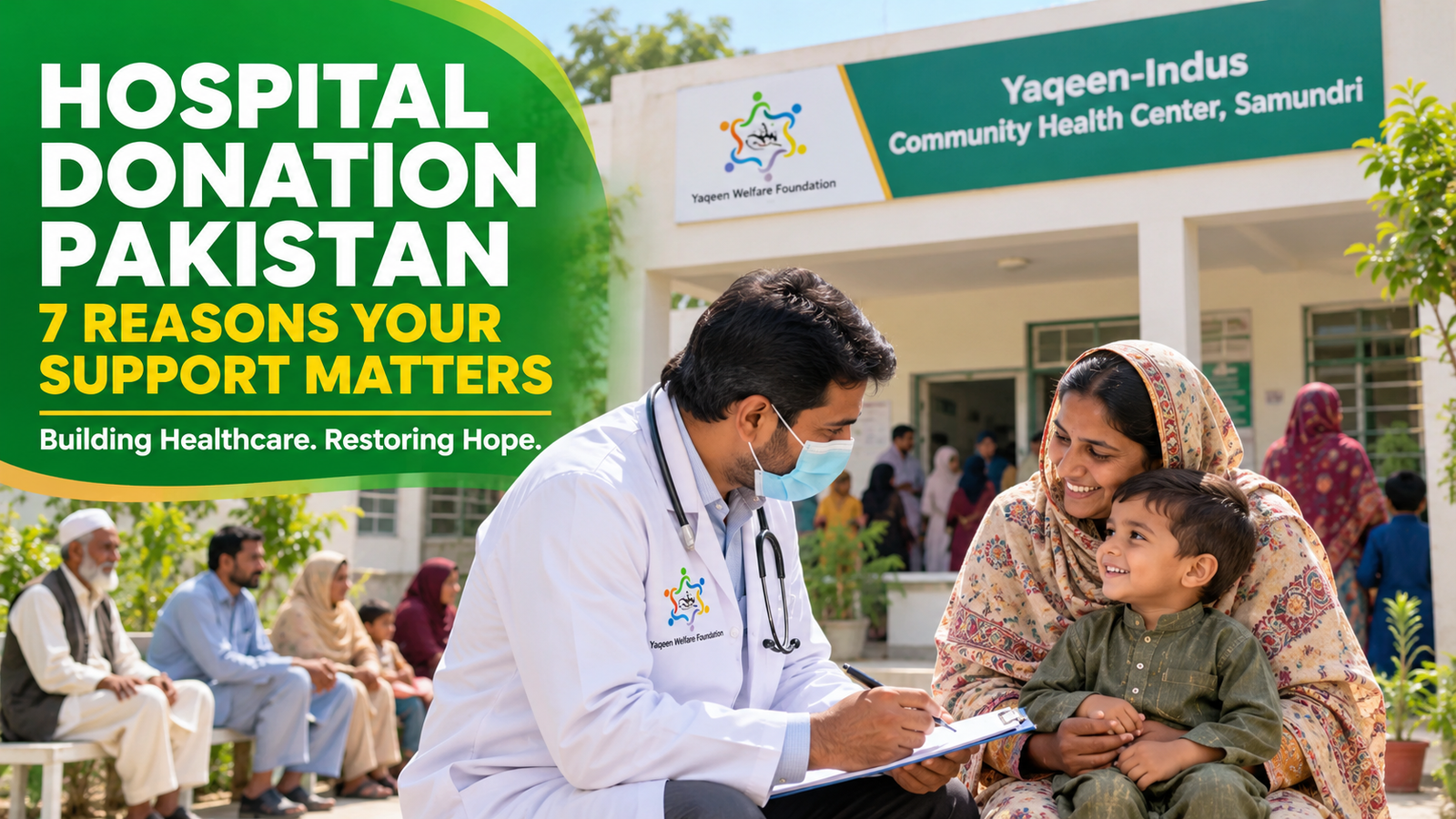
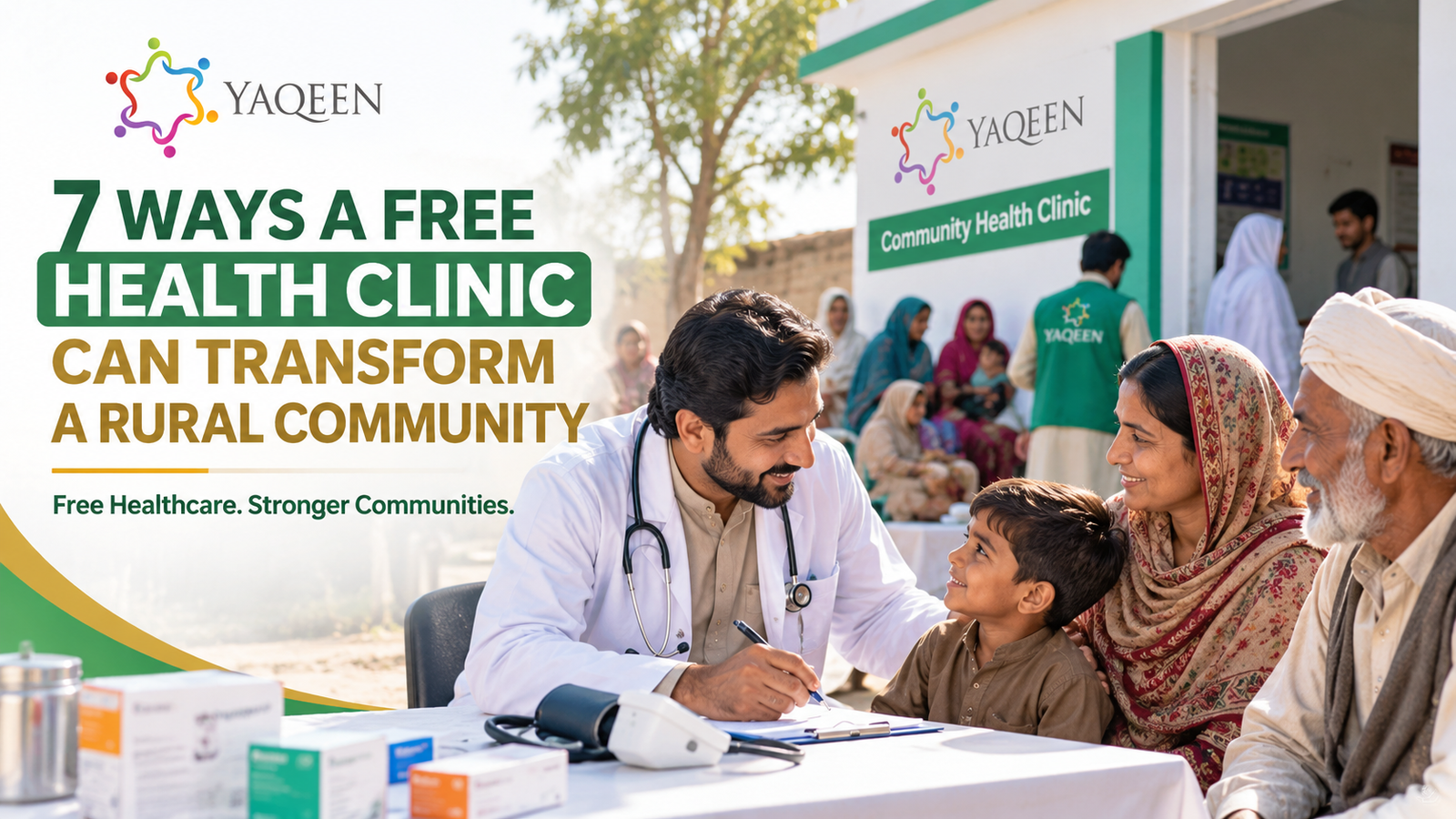
Healthcare and education tend to receive less attention than food drives usually do, probably because their impact is a lot less visible to the people watching from the outside. Medicine costs money, tests cost money, and a single hospital visit can wreck a family’s entire budget for months at a time, which is exactly where Rabi’ al-Awwal Charity can soften that blow in a very direct way. Schools, meanwhile, need books, uniforms, and basic supplies that aren’t luxuries at all, but simply the entry fee for a child to keep showing up to class every day. Support in this area tends to play out over years rather than days, unlike the more immediate relief that food charity provides. A sick person gets through today because of the help they receive, while an educated child ends up building something that lasts for the next twenty years or more, and neither one of these should really get pushed aside in favor of the other.
Islamic Charity: Give Clothes and Essential Items to Others
Clothes, shoes, blankets, and soap are the kinds of unglamorous items people don’t really post about online; families still rely on these things daily just to cope with a normal week without problems. Children grow out of their clothes so fast sometimes that they even have to buy new ones twice in one year, which can be a big financial strain on a family already living from paycheck to paycheck. If it gets cold enough to really freeze you up, winter becomes a time when you need a blanket so badly. That’s something that hardly ever happens, and people usually don’t get to the stage of thinking whether they have a blanket unless the weather takes a sharp turn. School bags, towels, and basic hygiene products, by themselves, may look small and insignificant, but they’re truly essential in daily life for a family that’s on very tight funds. Anything that’s donated must have real practical use and be in good condition, not just something someone was trying to clear out their closet for their own benefit. A good charity will not only take donations but will also sort them out very carefully and make sure that what they give, the person at the other side will find truly worth getting.
Giving Charity in Islam: Turn Kindness Into Lasting Good Deeds
The best kind of charity doesn’t stop the moment Rabi’ al-Awwal comes to an end, and instead it continues on well beyond the month itself. Rabi’ al-Awwal Charity ends up working for both urgent, immediate needs and for slower, longer-term projects at the same time, since Sadaqah as a whole covers an incredibly wide range of giving. There’s actually a specific term, Sadaqah Jariyah, used for charity that keeps paying off long after the original gift was given, like a well that keeps producing clean water for years or a school that keeps teaching new children long after it was first built. Food solves the problem sitting in front of a family today, while education solves a problem that hasn’t even happened yet for a child who’s still growing up. Healthcare tends to sit somewhere in between the two, handling whatever crisis happens to show up right at that particular moment. One sincere act of charity tends to nudge other people toward doing the same thing themselves, in a way that’s genuinely hard to measure but somehow still easy enough to notice over time.
Final Thoughts
Rabi’ al-Awwal is a good time to think seriously about kindness, and it’s an even better time to actually act on that thinking instead of letting it pass by unused. Food, orphan care, healthcare, education, and clothes all fall under the wide reach of Rabi’ al-Awwal Charity, sometimes touching several of these needs within the very same week. Yaqeen Welfare Foundation – Donate. None of this needs to be complicated to organize on your own, since the whole process can stay fairly simple from start to finish. Pick a trusted charity, figure out where the need happens to be greatest at that moment, and let them handle the details from there on out. For more information about the programs currently available and how you can donate, feel free to reach out to our team, and they’ll gladly walk you through the options and point you toward whatever fits your situation best.