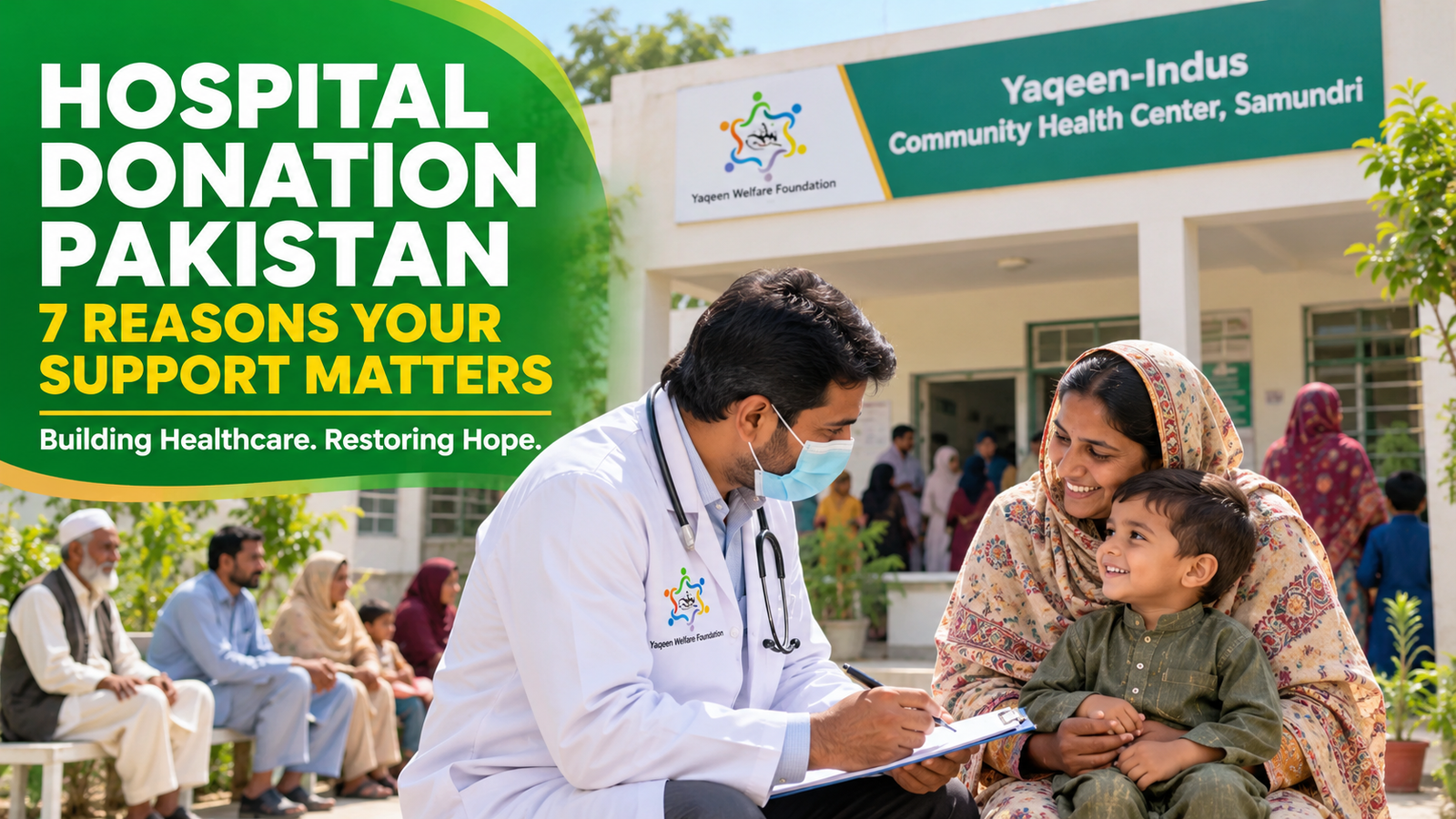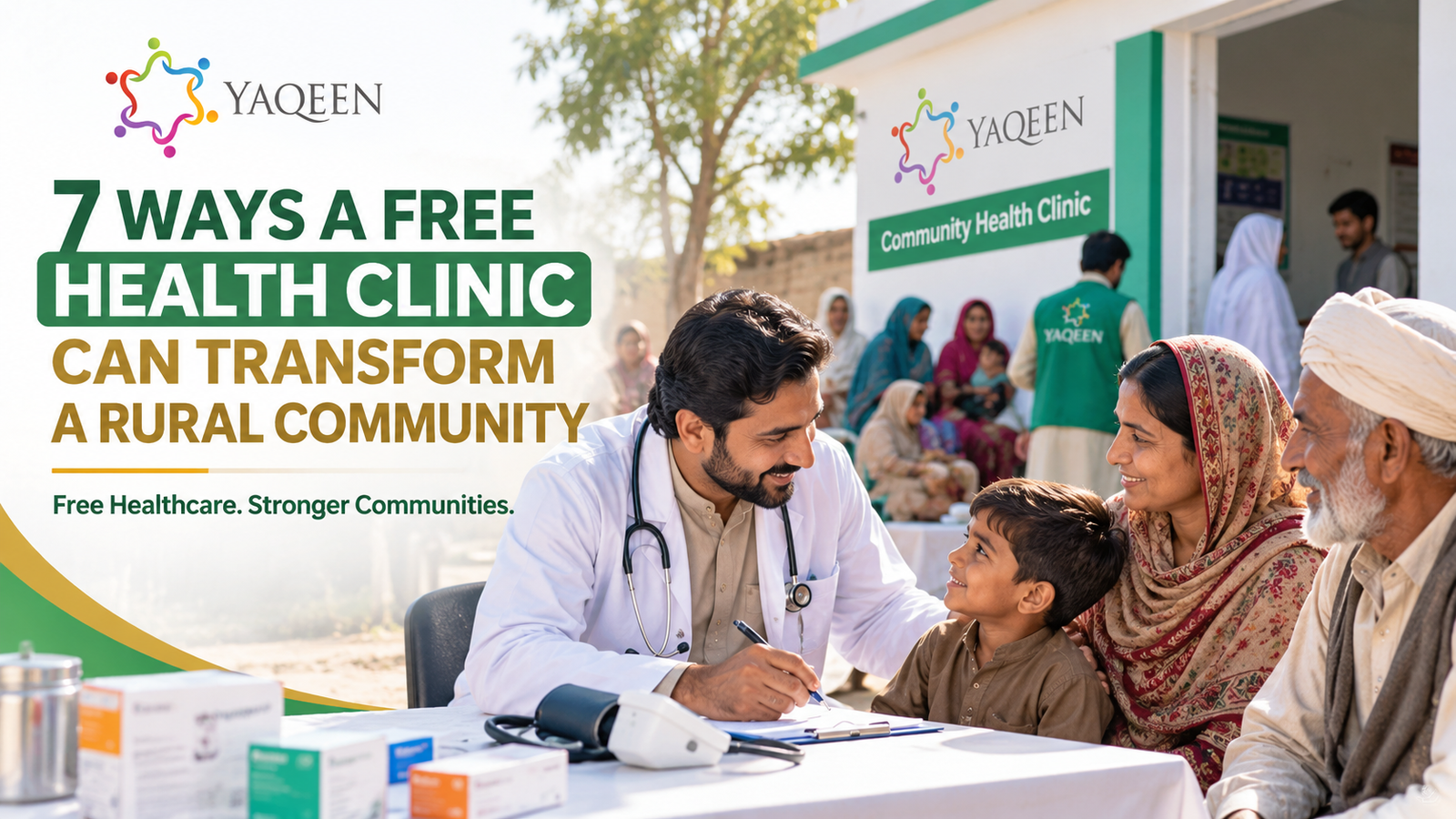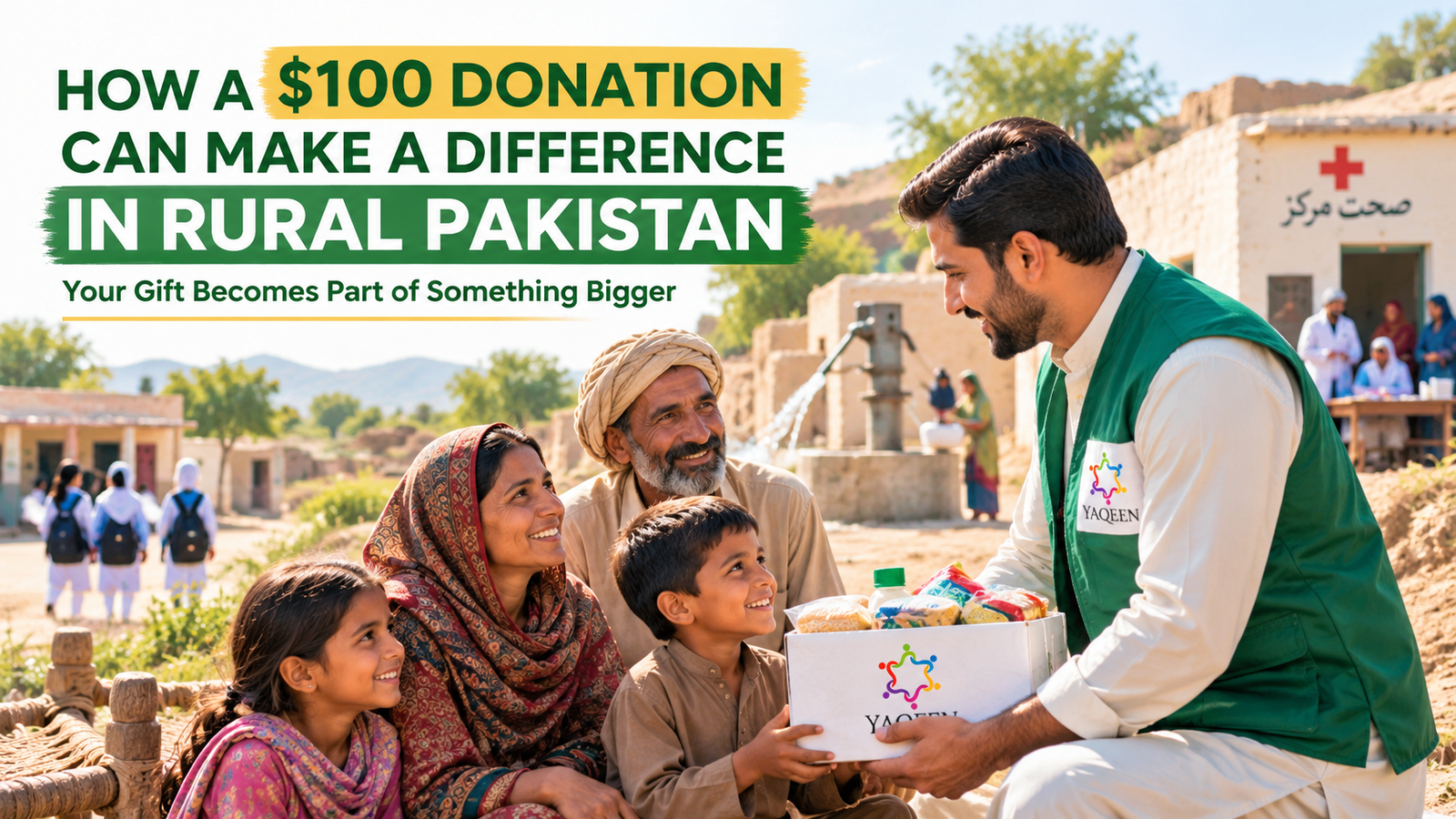
Access to medical care should never depend on how much money someone has. But in Pakistan — especially in rural communities — that is exactly the reality millions of families live with every single day. A sick child goes untreated because a consultation costs money that the family does not have. A mother delivers without proper prenatal care because the nearest clinic is too far and too expensive. An elderly man manages a chronic condition on guesswork because medicine was never affordable. At Yaqeen Welfare Foundation, we exist to close that gap — through the Yaqeen Health Clinic, providing completely free medical care, and through clean water projects that prevent illness before it starts.
Understanding the benefits of free healthcare is not just useful knowledge. It is the foundation for why giving to this cause matters and what your support actually makes possible.
How Free Healthcare Protects Families
When healthcare is free and accessible, families stop making impossible choices between treatment and food. The protective impact starts at the individual level — and it builds outward from there.
Early Treatment for Preventable Illnesses
One of the most powerful benefits of free healthcare is catching illness before it becomes critical. When cost is removed as a barrier, people seek care earlier. Conditions that would have developed into serious — sometimes fatal — problems are identified and treated at the stage when treatment is simplest and most effective.
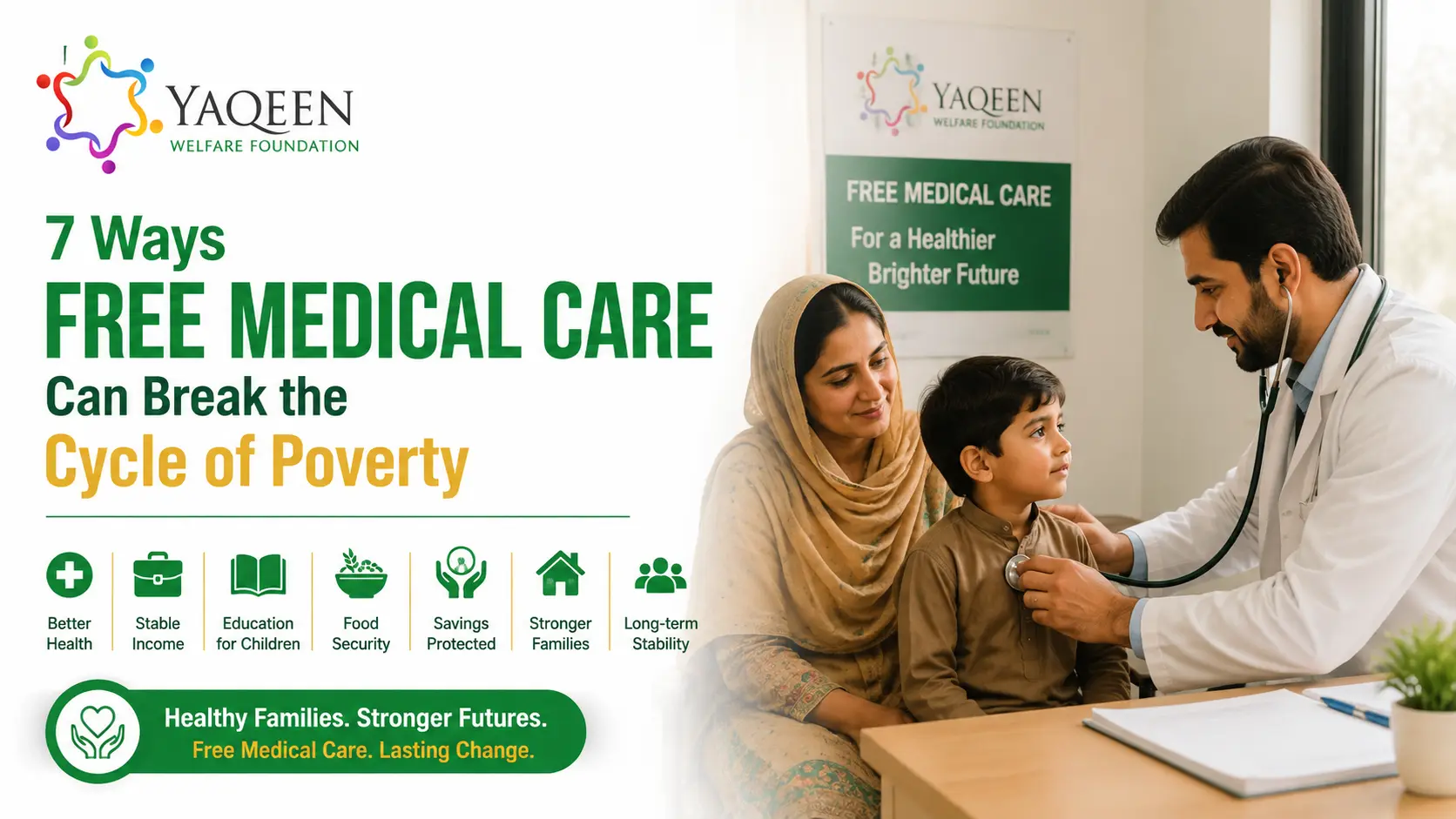
At the Yaqeen Health Clinic, this shows up most visibly in childhood healthcare. Vaccinations administered on schedule. Fevers are treated before they become infections. Respiratory conditions should be managed before they damage developing lungs. Early intervention is the difference between a manageable condition and a crisis — and free access is what makes early intervention possible for families who could never otherwise afford it.
Access to Essential Medicines
A diagnosis without medicine is incomplete care. One of the most overlooked benefits of free healthcare is medicine access — the part of treatment that most families quietly cannot afford, even when they manage to see a doctor.
Example — Treating Common but Serious Conditions
At the Yaqeen Health Clinic, medicines for respiratory infections, persistent fevers, and chronic conditions like hypertension and diabetes are provided at zero cost to patients. These are not rare diseases — they are the conditions that quietly diminish quality of life for millions of low-income Pakistanis who manage them inadequately because proper medicine was always just out of financial reach.
Supporting Maternal and Child Health
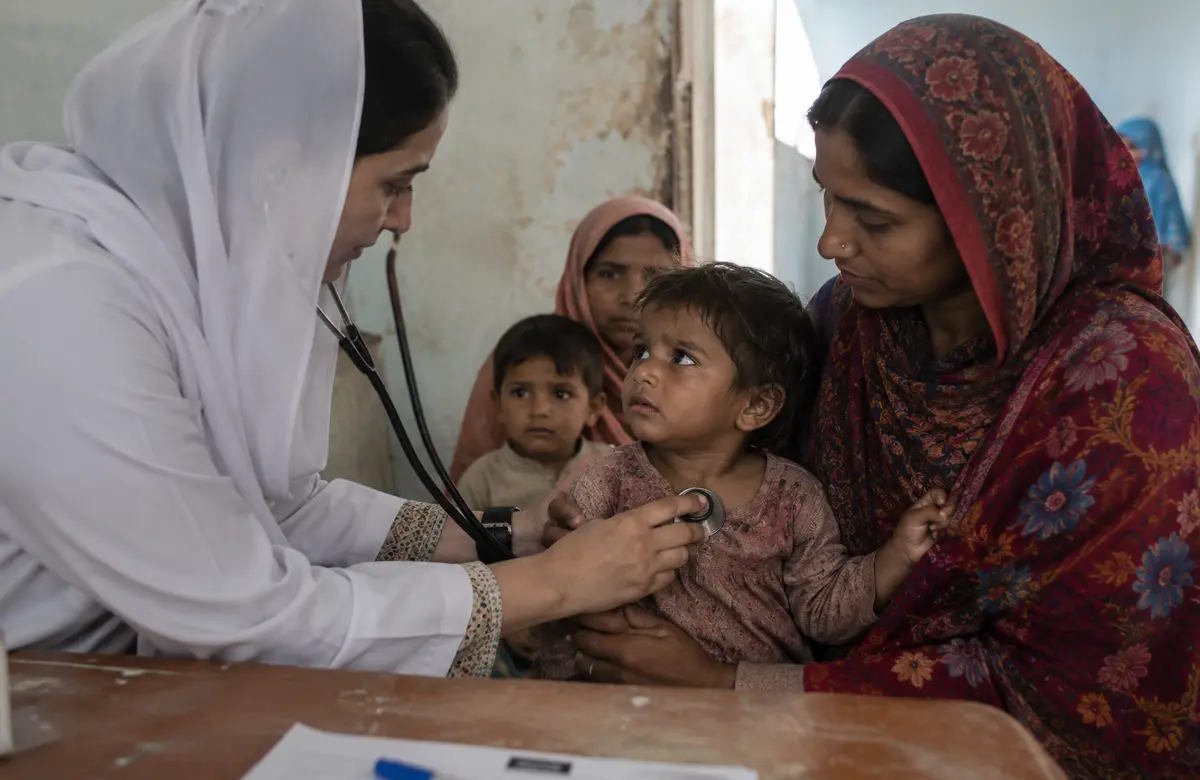
Maternal and child health is where free healthcare creates some of its deepest long-term impact. A mother who receives proper prenatal care is significantly less likely to experience complications during delivery. A child who receives timely immunizations is protected against diseases that could otherwise leave lasting damage.
Example — Mothers and Children Served
The Yaqeen Health Clinic prioritizes maternal and child patients in its service delivery — ensuring that the populations most vulnerable to healthcare gaps receive consistent, qualified attention. Prenatal checkups, postnatal support, and childhood immunization are central to the clinic’s work in underserved communities across Pakistan.
Strengthening Community Health
The benefits of free healthcare do not stop at the individual. When enough people in a community have access to proper care, the health of the entire community improves — and the ripple effects reach into education, productivity and social stability.
Reducing the Spread of Diseases
Untreated illness spreads. A child with an unmanaged infection passes it to siblings. Contaminated water sources affect entire villages simultaneously. When access to care is limited, disease moves faster and further than it ever would in a community with functioning healthcare.
Free clinics interrupt that spread. And clean water projects prevent it from starting.
Example — Clean Water and Waterborne Disease
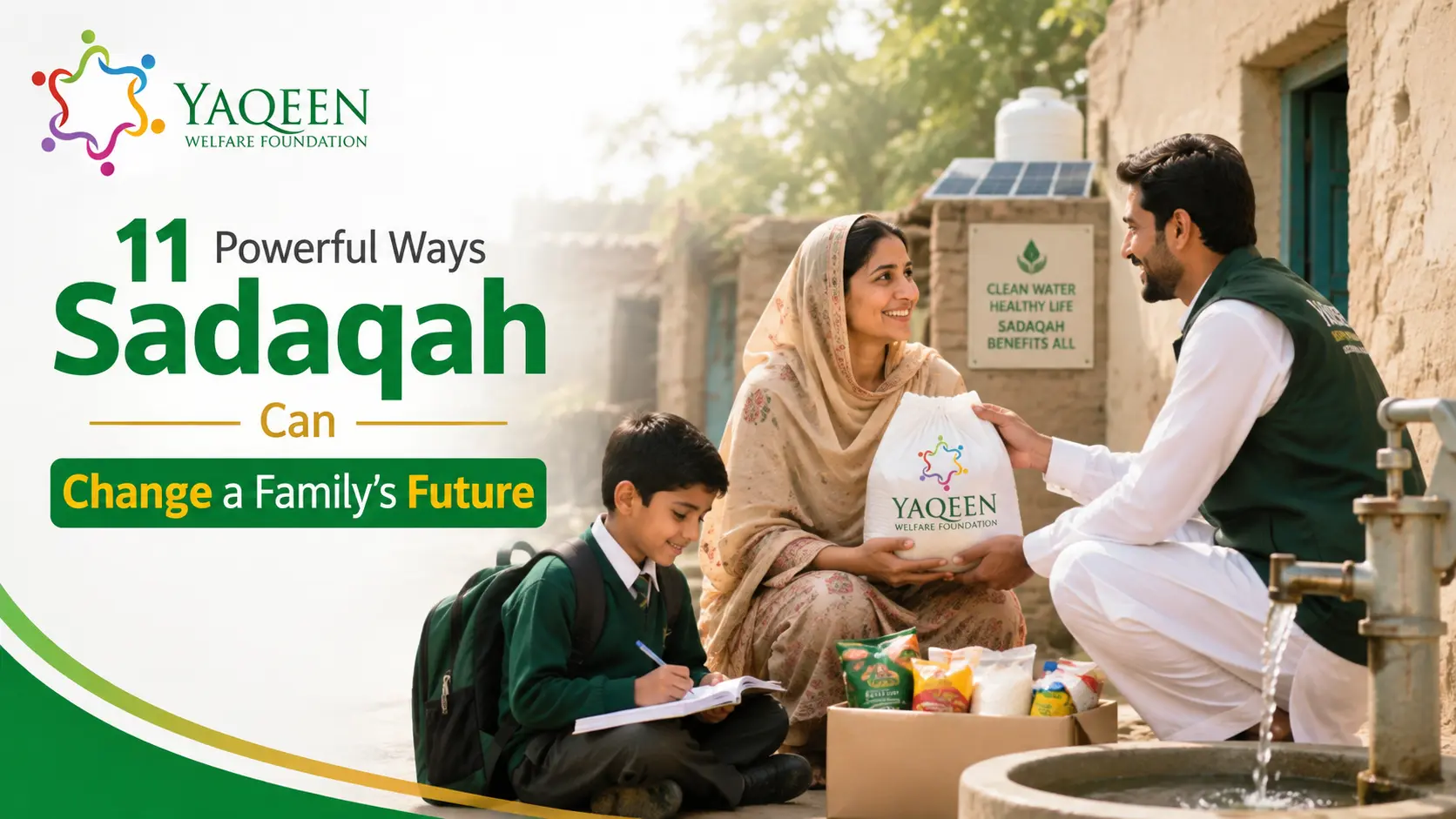
According to recent UNICEF and WHO reports, millions of people in Pakistan still rely on contaminated water sources — a direct driver of typhoid, hepatitis A, cholera, and chronic childhood diarrhea. Yaqeen Welfare Foundation’s clean water wells in rural communities address this at the source. Cleaner water means fewer waterborne illnesses, fewer clinic visits for preventable conditions and healthier communities overall.
Read more about the impact of clean water giving in our post on the Sadaqah Jariyah water well.
Promoting Healthy Habits
Treatment is one part of healthcare. Education is the other. Free healthcare facilities — when they function as genuine community resources — create opportunities to teach hygiene, nutrition and disease prevention in ways that reduce illness before it requires treatment.
Example — Health Education at the Community Level
The Yaqeen Health Clinic goes beyond consultations. Community-based education on handwashing, safe food practices and recognizing early signs of illness equips families with knowledge that reduces their reliance on curative care over time. Workshops, outreach visits and screenings extend the clinic’s impact into the daily lives of the communities it serves.
Creating Health Awareness
Many people in underserved Pakistani communities have never been taught what the early warning signs of serious illness look like. A persistent cough. Unusual fatigue. Swelling that does not resolve. Without awareness these signals go unrecognized until a condition is advanced.
Example — Health Screenings and Awareness Events
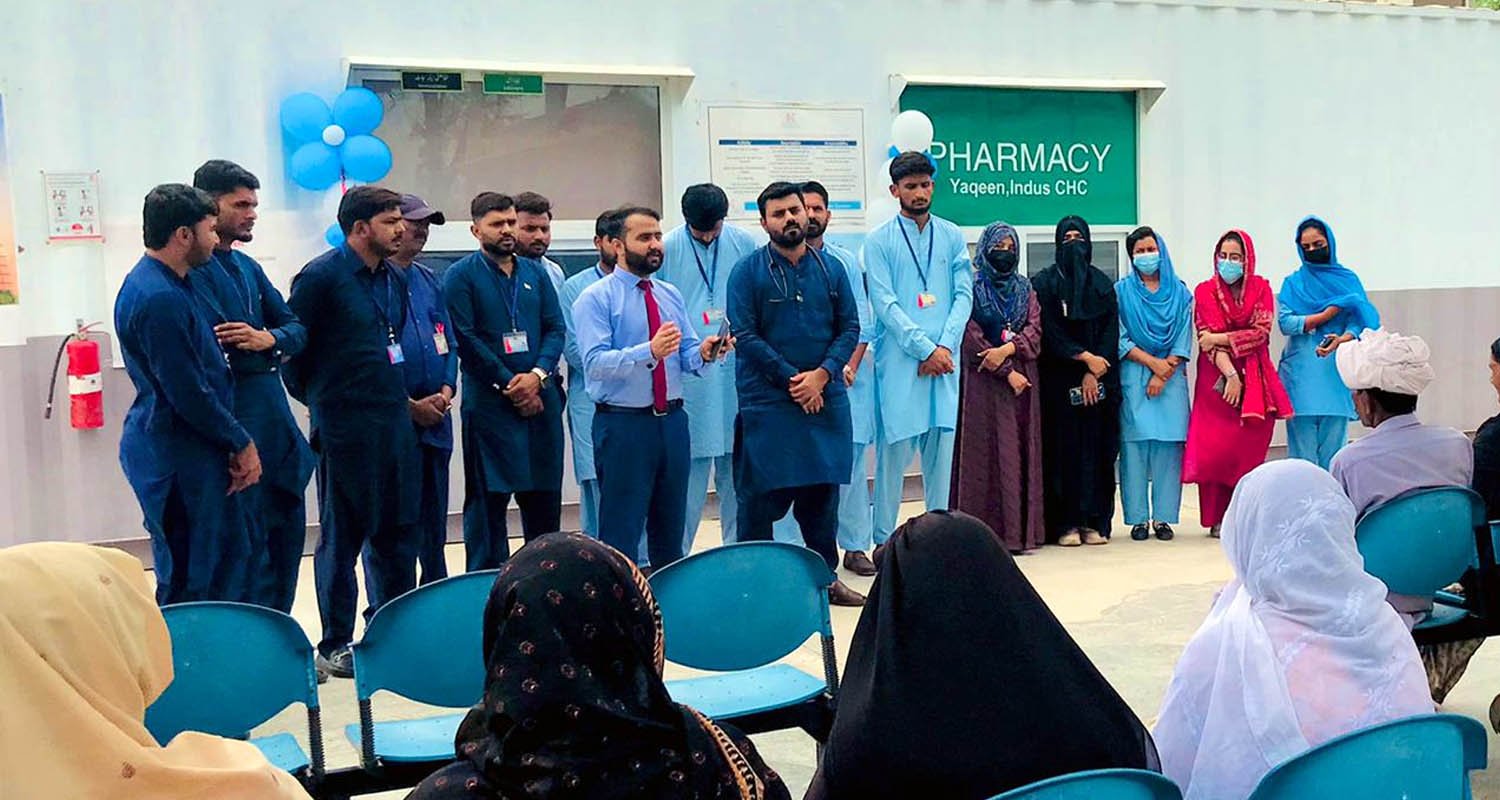
Free health screenings organized through Yaqeen Welfare Foundation create opportunities for early detection — catching conditions that patients had not realized were serious and connecting them with treatment before the window for effective intervention closes.
Financial Relief Through Free Healthcare
Illness is not just a health crisis for low-income families in Pakistan. It is a financial one. The cost of treatment — consultations, tests, medicine, transport — can push a family that was barely managing into debt they may carry for years.
Saving on Medical Costs
One of the most immediate and concrete benefits of free healthcare is the elimination of that cost burden. When treatment is free, families do not have to choose between medical care and essential expenses.
Example — Financial Impact Per Family
A single private consultation in Pakistan can cost between Rs. 500 and Rs. 2,000 — before tests or medicine. For a daily wage worker earning Rs. 800 to Rs. 1,000 per day that represents a full day’s income or more. Free consultation at the Yaqeen Health Clinic eliminates that cost entirely, keeping household finances stable while healthcare needs are met.
Avoiding Medical Debt
Families that borrow money for medical treatment face compound hardship — the original illness and the debt it created. Free healthcare removes this cycle before it begins. No debt. No interest. No years of financial recovery from a single health crisis.
Supporting Low-Income Families
Yaqeen Welfare Foundation specifically targets the communities where free healthcare creates the most significant impact — rural areas, daily wage households and families with no access to employer-provided health coverage. Learn about different giving methods and their rewards in our post on the best Sadaqah in Islam.
Example — Low-Income Patients Served
Every patient who walks through the doors of the Yaqeen Health Clinic is treated at zero cost regardless of their financial situation. The clinic’s location and outreach focus ensure that the patients reached are those for whom paid healthcare was never a realistic option.
Empowering Children and the Elderly
Two groups sit at the center of every healthcare gap in Pakistan — children whose developing bodies need consistent care and elderly citizens whose chronic conditions require ongoing management. Free healthcare reaches both.
Health Benefits for Children
Children without access to proper healthcare do not just suffer in the present. Untreated illness in early childhood has long-term consequences for cognitive development, educational attendance and adult health outcomes. The benefits of free healthcare for children extend decades beyond the moment of treatment.
Example — Children Receiving Care Annually
At the Yaqeen Health Clinic children are among the highest-priority patient groups — receiving vaccinations, nutritional assessments, fever management and preventive care that gives them a healthier foundation to grow from.
Care for Elderly Citizens
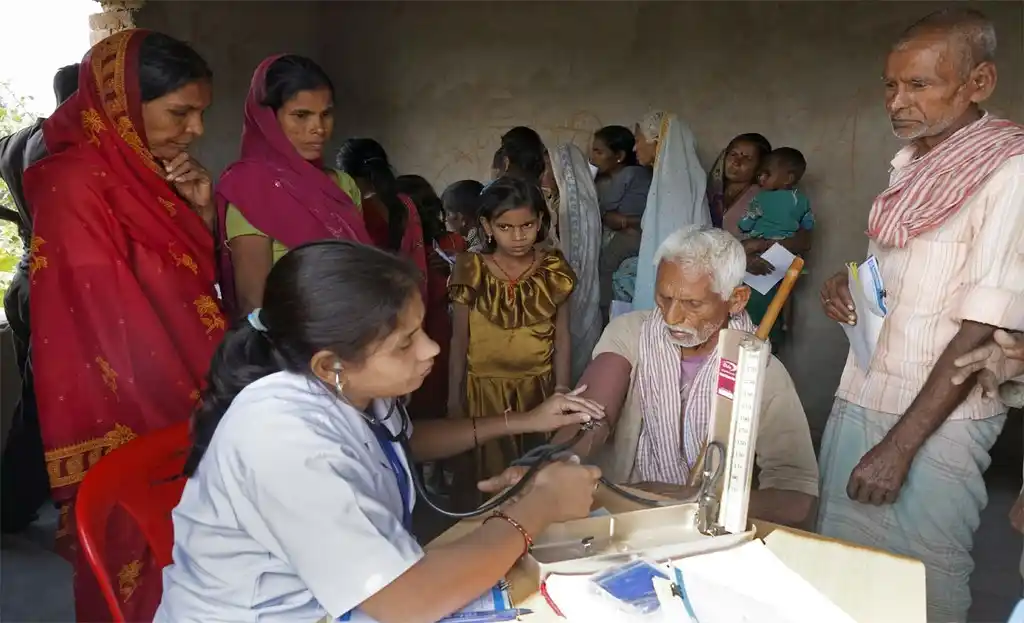
Older adults in rural Pakistan often carry chronic conditions — diabetes, hypertension, joint disease — that require regular management. Without consistent free care they manage these conditions inadequately, leading to preventable complications and reduced quality of life.
Example — Free Consultations for Older Adults
The Yaqeen Health Clinic provides regular checkups and chronic disease management for elderly patients who would otherwise have no access to consistent medical oversight. Regular care keeps conditions stable and patients functioning.
Long-Term Impact
When children grow up healthy, and the elderly are supported, communities become stronger. Healthier children attend school more consistently. Healthier adults contribute more productively. The benefits of free healthcare compound across generations in ways that no single statistic fully captures. For more on the types of giving that create this kind of lasting impact — read our guide on how to give Sadaqah.
[IMAGE PLACEHOLDER — Elderly patient receiving checkup at Yaqeen Health Clinic]
Sustainable Change Through Healthcare and Clean Water
Yaqeen Welfare Foundation approaches community wellbeing through two interconnected lenses — free healthcare and clean water access. Together they create the conditions for sustainable improvement rather than temporary relief.
Water Wells for Healthier Communities
Clean water and healthcare are not separate issues. Contaminated water is directly responsible for a significant proportion of the illnesses treated at free clinics across Pakistan. Address the water and you reduce the illness load.
Example — Communities Benefiting From Water Projects
Yaqeen Welfare Foundation’s water well projects in rural communities reduce waterborne illness rates, decrease the healthcare burden on clinics and give families a healthier daily baseline. A community with clean water needs less curative care — which means more clinic capacity for other conditions.
Clinics as Community Hubs
The Yaqeen Health Clinic is not just a treatment facility. It is a point of community connection — a place where health education happens, where awareness campaigns reach people directly and where the relationship between a welfare organization and a community deepens over time.
Example — Beyond Treatment
Mobile outreach visits, community health sessions and preventive care campaigns extend the clinic’s reach beyond its walls — serving patients who cannot travel and building health literacy in areas where it has historically been absent.
Long-Term Benefits
The sustainable goal of Yaqeen Welfare Foundation is not dependency. It is a self-sustaining community health — built through consistent free care, clean water access, health education, and the gradual reduction of preventable illness across the communities served.
How Donations Transform Lives
Every service the Yaqeen Health Clinic provides and every water well Yaqeen Welfare Foundation installs exists because donors chose to give. The connection between donation and outcome is direct.
Providing Medical Care
Donations fund the consultations, diagnostic support and medicines that keep the clinic operational week after week. Without ongoing donor support the clinic cannot function — and the patients who depend on it have nowhere else to go.
Example — Families Helped Through Donations
Every recurring donor to Yaqeen Welfare Foundation sustains care for multiple patients every month. A single monthly donation keeps consultation costs covered, medicine stocked and emergency care available for families who have no backup plan.
Read our full guide on the difference between Zakat and Sadaqah to understand how your giving — whatever its form — can be directed most effectively.
Building Infrastructure
Beyond day-to-day operations, donor contributions fund the physical infrastructure that makes long-term impact possible — clinic facilities, water well construction and the equipment that allows healthcare to be delivered at scale in underserved areas.
Example — Wells and Clinics Built
Each water well installed by Yaqeen Welfare Foundation serves an entire village for ten to twenty years. Each clinic facility serves thousands of patients annually. The infrastructure funded by donors today creates impact that outlasts any individual donation by years.
Creating Hope and Opportunity
Beyond the medical outcomes — beyond the consultations and the medicine — free healthcare creates something harder to measure but equally real. It tells a community that they matter. That someone thought their health was worth investing in. That the system has not forgotten them.
That sense of being seen and supported has real psychological and social value that ripples outward in ways no clinic record can fully capture. Read our post on Qurbani donation to understand how different forms of Islamic giving connect to the same spirit of care for others.
The Future of Free Healthcare in Pakistan
Yaqeen Welfare Foundation is not standing still. The vision for free healthcare access in Pakistan extends beyond what the Yaqeen Health Clinic delivers today.
More Clinics and Services
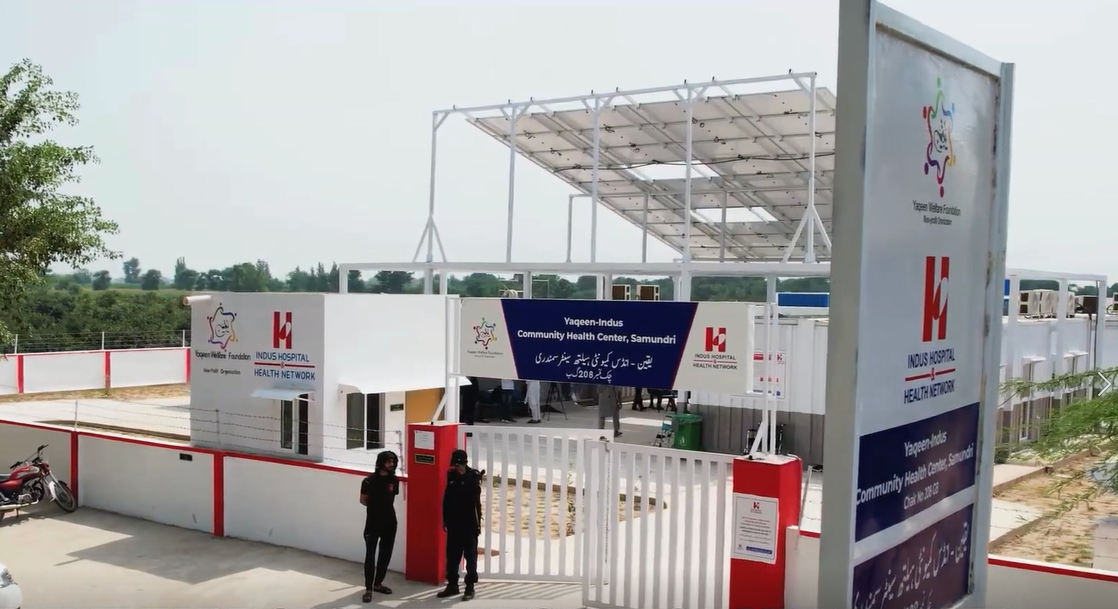
Plans to expand clinic reach into additional underserved regions of Pakistan are an active part of Yaqeen Welfare Foundation’s development. More communities. More patients. More doors open for people who currently have none.
Expanding Preventive Programs
Curative care is essential. But prevention is more sustainable. Expanded vaccination programs, nutrition support initiatives and health education campaigns are part of the foundation’s forward direction — reducing the illness burden before it requires treatment.
Long-Term Impact
The long-term vision is communities that are healthier, more informed and more self-sustaining — where the work of a welfare organization gradually becomes less necessary because the capacity for health has been built from within. That is the goal every donation moves toward.
Learn about the Islamic reward behind this kind of ongoing giving in our post on Sadaqah Jariyah for the deceased.
Make a Difference Today
The benefits of free healthcare are real, wide-reaching and urgently needed across Pakistan’s most underserved communities. At Yaqeen Welfare Foundation, those benefits are being delivered every single week — through the Yaqeen Health Clinic, through clean water projects, and through the trust of donors who believe their giving actually reaches someone real on the other side. Every consultation, every medicine dispensed, every water well installed is the direct result of someone deciding to give.
Your donation today funds treatment for a patient who has no other option. It keeps a clinic open for the community that depends on it. It builds toward a healthier, stronger Pakistan — one family, one village, one donation at a time. The work is happening right now. The impact is real and documented. And it all starts with you choosing to give today through Yaqeen Welfare Foundation.
Support Yaqeen Welfare Foundation. Give free healthcare to those who need it most.
Pakistan needs that right now. According to Human Rights Watch, more than half of Pakistanis cannot access basic primary healthcare — and 42% have no health coverage at all. People are waiting for care they cannot afford.
Source: Human Rights Watch
Frequently Asked Questions
What is free healthcare?
Free healthcare provides essential medical services — consultations, diagnosis, medicine and basic treatment — without cost to patients. It is typically funded by NGOs, charitable foundations or government programs. At Yaqeen Welfare Foundation free healthcare is delivered through the Yaqeen Health Clinic, sustained entirely by donor contributions from people who believe access to care should not depend on income.
Who benefits from free healthcare?
The primary beneficiaries are those most excluded from paid healthcare systems — children, elderly citizens, low-income families and rural communities without access to affordable clinics. These are the populations Yaqeen Welfare Foundation specifically focuses on reaching through its clinic and outreach work in Pakistan.
How does free healthcare improve communities?
Free healthcare reduces the spread of disease, prevents health crises from becoming financial ones, promotes hygiene and health literacy and supports the productivity of working-age adults. Healthier communities have better educational outcomes, stronger local economies and greater resilience. The benefits of free healthcare extend well beyond individual patients.
How are donations used?
Donations to the Yaqeen Welfare Foundation fund clinic operations — consultations, medicine, staff and equipment — as well as clean water projects and community outreach. Every rupee is directed toward active services with documented outcomes. Donors receive confirmation and updates showing exactly how their contribution was used.
Can one donation make a real difference?
Yes. A single donation can cover a patient’s consultation and medicine for that visit. A recurring monthly donation sustains care for multiple patients every month. A water well contribution provides clean water to an entire village for a decade. Every contribution — regardless of size — enters a system that turns it into real, traceable healthcare impact.