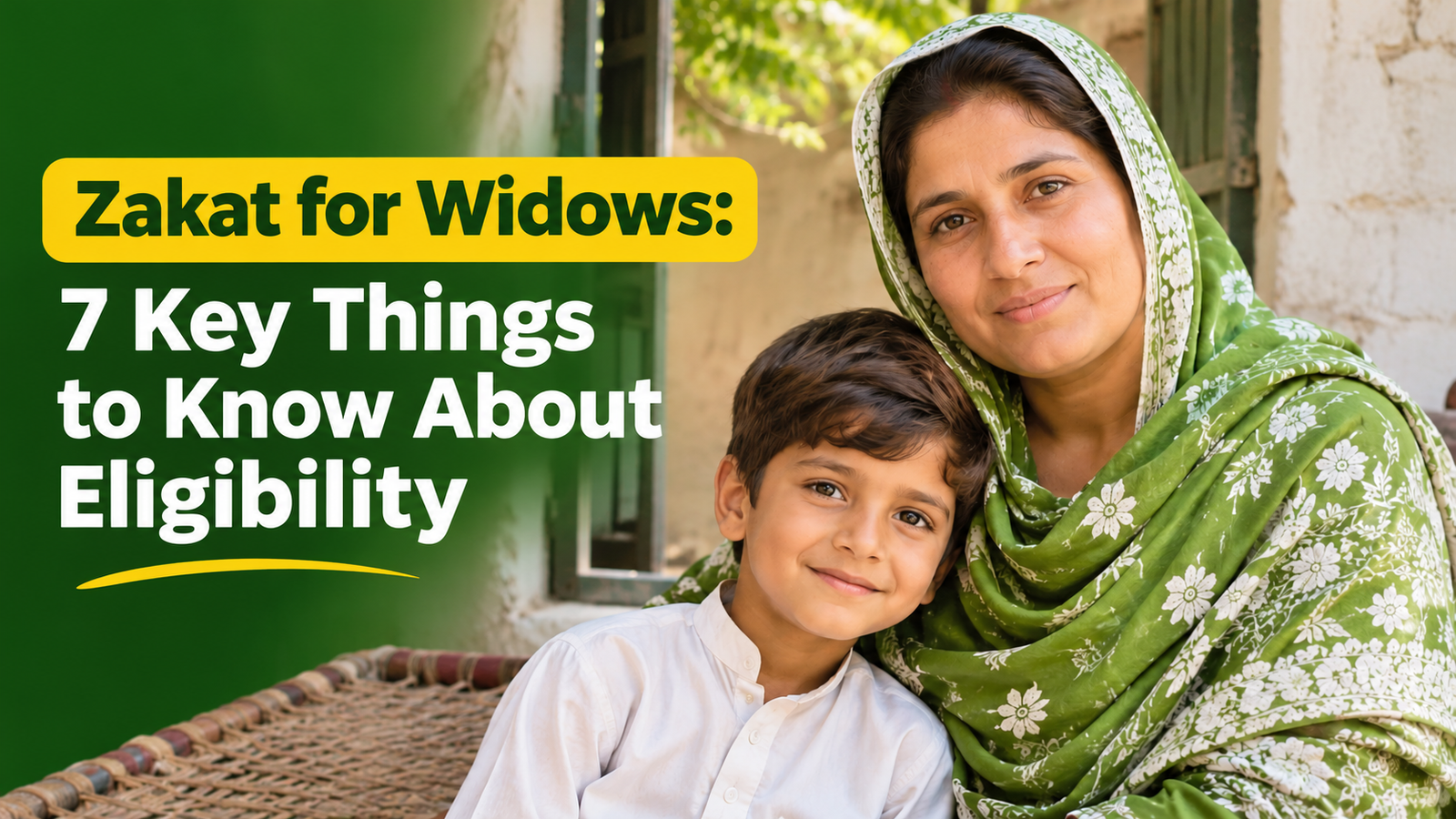
Zakat for Widows is one of the most searched and most misunderstood questions in Muslim charity. Many donors assume that every widow automatically qualifies for Zakat, and many widows hesitate to ask because they are unsure whether they qualify. The truth sits in the middle. Losing a husband is a painful and often life-changing event, but widowhood alone does not decide Zakat eligibility. What matters is the household’s financial situation and the eligibility rules set out in Islamic law.
This guide explains how to think about Zakat for Widows with clarity and compassion. We look at who can receive Zakat, why financial need is the deciding factor, the challenges that leave many households vulnerable in Pakistan, and how to donate Zakat responsibly so that it reaches the right people. At Yaqeen Welfare Foundation, our aim is to provide free medical treatment, clean water and different forms of assistance to people across Pakistan, and we believe informed giving is the best way to honor both the donor and the recipient.
Please note: this article is for general education and is not a religious ruling (fatwa). For your own situation, please consult a qualified scholar.
What Is Zakat and Who Can Receive It?
Zakat is the third pillar of Islam. It is an obligatory annual payment made by Muslims whose wealth is above a minimum threshold, known as the nisab, after a full lunar year has passed. Unlike voluntary charity (Sadaqah), Zakat is directed to specific groups of people.
The Quran names eight categories of eligible recipients in Surah At-Tawbah (9:60). They are the poor (al-fuqara), the needy (al-masakin), those who work to collect and distribute Zakat, those whose hearts are to be reconciled, those in bondage, those in debt, those striving in the cause of Allah, and the stranded traveler. You can read a clear explanation of each category in the National Zakat Foundation guide to who receives Zakat and in Human Appeal’s explanation of the 8 Quranic categories.
Notice what is not on this list: a general category called “widows.” Widows can receive Zakat when they fall under one of the named categories, most often the poor or the needy. That is the heart of Zakat for Widows, and it is why the next section matters so much.
Zakat for Widows Depends on Need, Not Marital Status
Can widows receive Zakat? Yes, if they qualify. A widow whose household income cannot cover food, rent, medicine and school costs is a clear example of someone who may be eligible. A widow who has an adequate income, savings above the nisab, a steady pension or the support of a family that meets her needs may not be eligible, even though she has lost her husband.
This distinction protects everyone. It protects the donor, who wants to be sure the obligation has been fulfilled correctly. It protects the Zakat fund, which exists for those in genuine hardship. It also protects the dignity of widows, because it treats them as individuals with real circumstances, not as a single category with a single answer.
Scholars look at several things when they assess eligibility:
- Her own means. Does she hold wealth, savings, gold or silver above the nisab, after her basic needs and debts?
- Her income. Is there a pension, rent, salary or support from relatives that already covers a reasonable standard of living?
- Her inheritance. A widow may receive a share of her husband’s estate and may also hold her mahr (dower). These can change her financial position significantly.
- Her dependents. Children, elderly parents or disabled family members increase the household’s costs and often make hardship worse.
- Her debts. Unpaid medical bills, rent arrears or loans may place her in the category of the indebted.
None of these questions are meant to embarrass anyone. They exist so that Zakat reaches people who need it most, in the way Islamic law intends.
7 Things to Know About Zakat for Widows
Here are seven practical points that help donors and families understand Zakat for Widows more clearly.
1. Eligibility Is Based on Need
A widow who is poor or needy can be a Zakat recipient. A widow who is not in need, in the sense described by scholars, generally cannot. Widowhood is a sign that the household may be at risk, and a good reason to check on her wellbeing, but it is not an automatic qualification.
2. The Whole Household Matters
When we think about Zakat for Widows, we are often thinking about children too. A mother who has lost the family’s main earner may be supporting several children on very little. In practice, many requests for help are really requests for the whole household. Zakat given to the poor family can pay for food, medicine, school fees and housing.
3. Inheritance, Dower and Pensions Count
Before assessing need, it helps to understand what the widow already has. Inheritance, unpaid dower, pensions and any savings can change the picture. A fair assessment looks at the complete financial situation, not a single factor.
4. Some Relatives Cannot Receive Your Zakat
Scholars generally agree that you cannot give your Zakat to your own spouse or to your own dependents whom you are required to support, such as your children and, in many views, your parents. Other relatives who are in need, such as a sister who is a widow or a niece, may receive it, and many scholars see giving to needy relatives as especially rewarding because it carries both the reward of charity and the reward of maintaining family ties. Because the details differ between schools of thought, ask a trusted scholar before you give.
5. Descendants of the Prophet Have Special Rules
Many scholars hold that Zakat is not given to the family of the Prophet Muhammad (peace be upon him), known as Banu Hashim. Some scholars allow flexibility in particular situations. If this applies to a widow you know, ask a scholar for guidance rather than assuming either way.
6. Dignity Comes First
Widows are often reluctant to ask for help. Whether you are a donor or a community worker, quiet and respectful giving is better than public or exposing giving. A trustworthy organization can protect privacy and reduce the burden on families who would otherwise have to ask neighbors or relatives.
7. Zakat Needs Proper Distribution
Zakat is a trust (amanah). It must reach eligible people and should not be delayed without good reason. Giving through a reliable organization with clear processes helps ensure that your Zakat is handled responsibly. We explain this further in the section on responsible distribution below.
Common Challenges Faced by Struggling Families in Pakistan
When a husband and father dies, the financial effect on a household is often immediate and severe. For many families in Pakistan, especially in rural areas, there is little formal safety net. The challenges are connected, and one problem often leads to another.
Loss of income. In many households, one person earns most of the income. When that person dies, the family may lose its only reliable source of money overnight. A widow who has never worked outside the home may find it difficult to find paid work quickly, particularly if she has young children to care for.
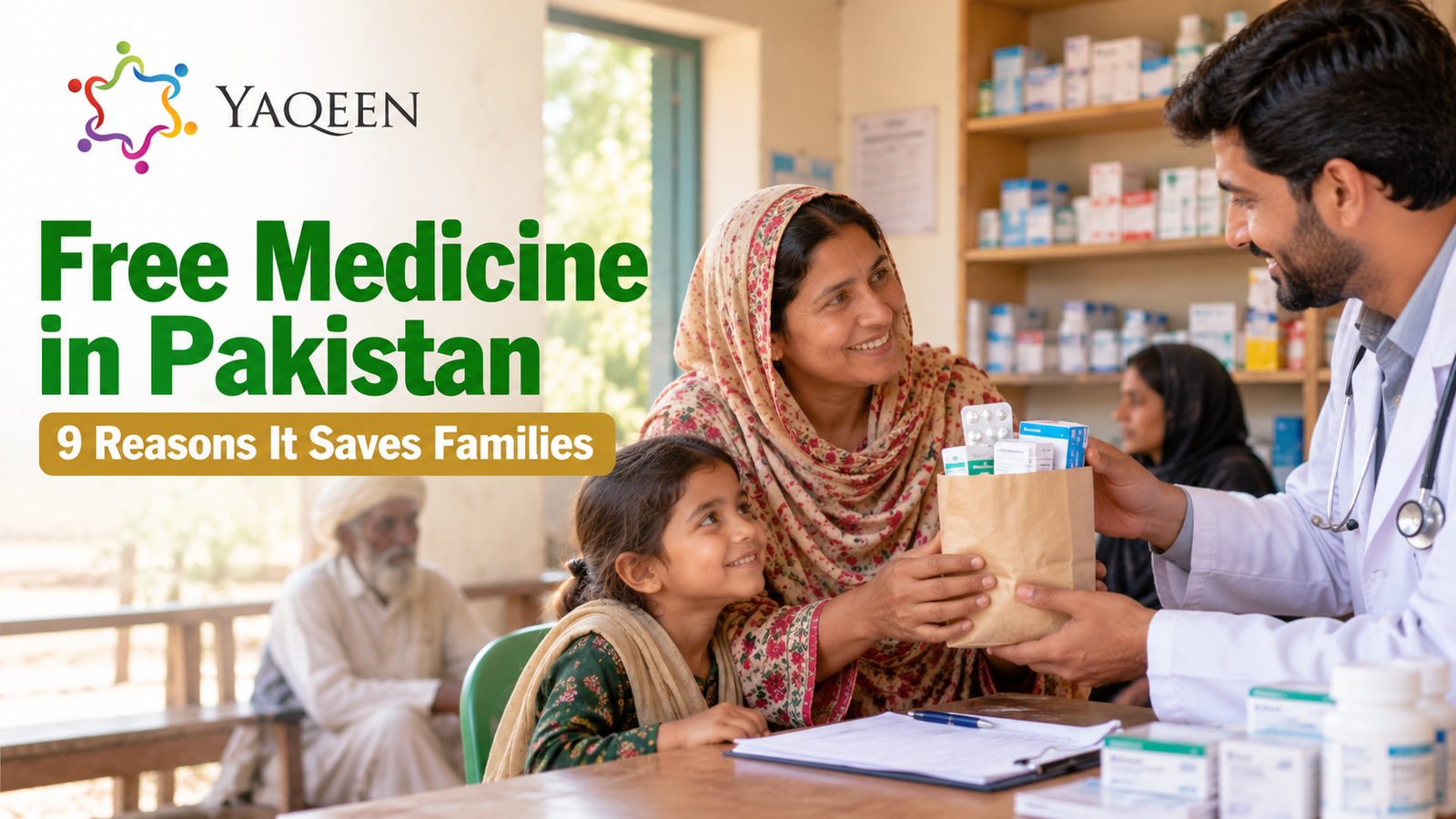
Healthcare costs. Illness is one of the biggest causes of poverty. A family that cannot afford medicine, tests or hospital visits may sell its belongings, borrow money or simply go without care. This is why free treatment matters so much. You can see how access to care changes lives in our posts Free Medical Treatment in Pakistan 2026 Guide and Free Medicine in Pakistan: 9 Reasons It Saves Families.
Education interruptions. Children from struggling households are often taken out of school first when money is short. That can trap the next generation in the same hardship. Yaqeen’s Help Educate commitment addresses the cost barrier that keeps many students from continuing.
Housing insecurity. Rent, repairs and unsafe homes add to the pressure. A widow without property in her own name may face pressure to leave the family home. Our Help Home page describes the serious housing shortage that many families face.
Unsafe water and basic needs. A household without clean water faces illness, lost days and extra costs. Safe water is not a luxury, and it forms part of Yaqeen’s aim to provide practical, life-saving assistance.
Debt. Families often borrow after a death to pay for funeral costs, medical bills and daily expenses. Debt can then become its own burden, and in some cases it places a person in the Quranic category of those in debt.
Zakat for Poor Families: A Quick Reference Table
The table below summarizes how different situations may relate to Zakat eligibility. It is a general guide and not a ruling, so please consult a scholar for your own case.
| Situation | May Be Zakat-Eligible? | Why It Matters |
|---|---|---|
| Widow with no income and young children | Often yes | Likely falls under the poor or needy |
| Widow with a steady pension covering all needs | Often no | Needs are already met |
| Widow with savings above the nisab | Generally no | She holds wealth above the threshold |
| Widow with large medical or funeral debts she cannot pay | Possibly yes | May fall under those in debt |
| Widow whose inheritance and dower fully cover her needs | Often no | Financial position is secure |
| Poor family with a sick breadwinner and no savings | Often yes | Falls under the poor or needy |
| Your own spouse or child you must support | No | You are responsible for their maintenance |
Zakat for Widows works best when someone has taken the time to understand the real situation and to avoid guesses. Eligibility is not about a label, and the right decision usually comes from simple, respectful conversation and fair assessment.
How to Donate Zakat Responsibly
If you want to donate Zakat, how you do it matters almost as much as the amount. Here are practical steps that help your Zakat reach the right people.
- Calculate your Zakat first. Work out your wealth, deduct eligible debts and check whether you are above the nisab. Our Zakat Calculator can help you estimate the amount. For Ramadan, use the Fitrana Calculator as well.
- Choose a trustworthy channel. Look for an organization with a clear mission, named leadership, a way to contact them and information about how Zakat is handled. You can meet the leadership team on our Board Members page and read the Mission & Vision of the foundation.
- Ask how Zakat is used. A good organization will explain how it separates Zakat from other funds and which programs are Zakat-eligible. Ask before you give.
- Confirm the program. Zakat funds should go to eligible people, such as poor patients. If you are unsure whether a particular program qualifies, ask the foundation and, if necessary, consult a scholar.
- Give in a timely way. Do not delay without a valid reason. Many families need help now, not months later.
- Keep records. Keep a note of what you gave and when. This helps you track your obligation from year to year.
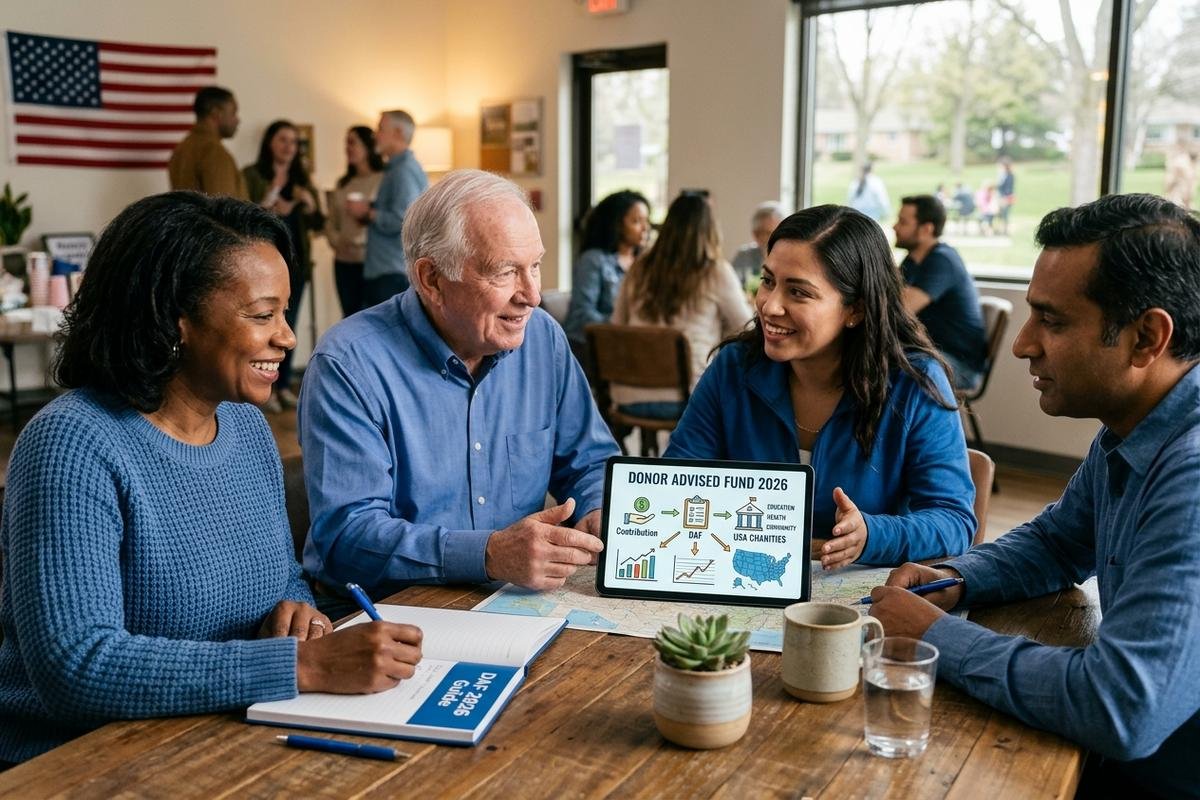
For more guidance on choosing where to give, read Zakat Accepting Organizations in Pakistan 2026 and Best Charity in Pakistan for Healthcare in 2026. If you give from the United States, our guide Donor Advised Fund for Charity in USA: 2026 Guide explains another way to plan your giving. Please speak with a tax adviser about your own circumstances.
Zakat Pakistan: Why Healthcare Is Often the First Need
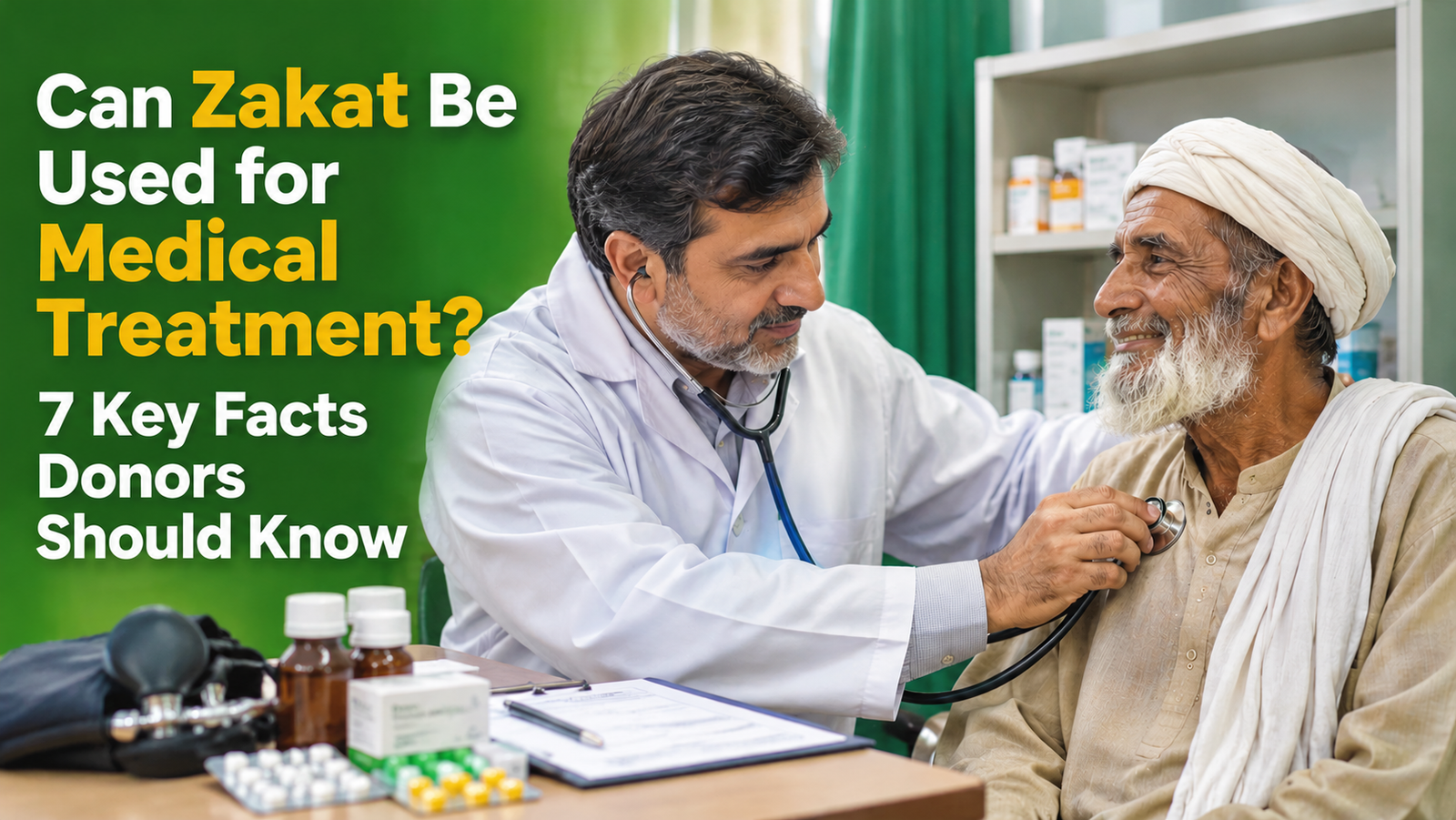
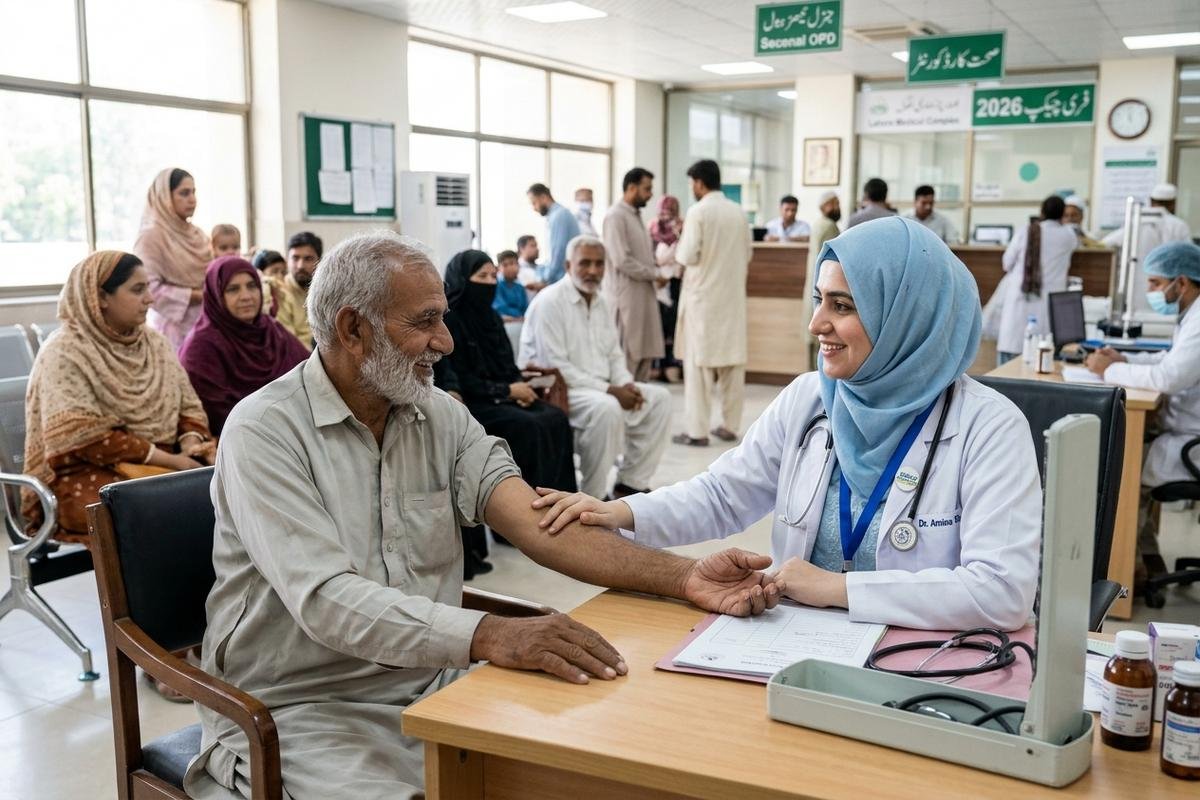
In practice, the most urgent need in many poor households is medical care. A widow caring for children cannot afford to be sick, and she often cannot afford to treat a sick child either. For that reason, Zakat that supports poor patients can protect a family from a spiral into deeper poverty. Healthcare spending is among the quickest ways to push an already fragile household into debt.
Yaqeen Welfare Foundation has partnered with the Indus Hospital network to build a health clinic in rural Pakistan. According to the foundation’s public campaign, the clinic focuses on follow-up care for common conditions such as diabetes, high blood pressure and high cholesterol, free medication where needed, and vaccinations for infants and toddlers. You can learn more about the clinic on our Yaqeen Health Clinic page, and you can read about how funds support hospital care in Hospital Donation Pakistan: 7 Reasons Your Gift Saves Lives.
When a poor household can see a doctor, get medicine and avoid hospital debt, the savings can go toward food, rent and school fees. That is how Zakat for Poor families creates change beyond the initial gift. If you would like to see what the foundation says about its Pakistan clinic project, the public GoFundMe campaign for Yaqeen gives a short description. You can also view the foundation’s public profile on GuideStar.
Beyond Zakat: Other Ways to Support Widows and Families
Zakat is not the only way to help. Because Zakat has strict rules, many donors also give Sadaqah, which is voluntary and can be given more flexibly. Sadaqah can support people who may not fit the Zakat categories and can be used for purposes where Zakat cannot be spent. Here are other ways to help:
- Give regular Sadaqah. A steady monthly gift allows charities to plan long-term help.
- Visit and check in. A kind visit, a phone call or a gift of groceries can restore dignity and reduce loneliness.
- Support education. Helping a widow’s child stay in school can change a family’s future.
- Help with healthcare. Paying for a clinic visit or medicine can protect a household from debt.
- Share knowledge. Many families do not know what help is available. Telling them is a gift.
- Volunteer or fundraise. Check our Events page for ways to take part.
Frequently Asked Questions About Zakat for Widows
Can widows receive Zakat?
Yes, widows can receive Zakat when they are eligible under one of the eight categories in the Quran, usually as poor or needy people. Widowhood alone is not the deciding factor. Her financial circumstances, including income, savings, inheritance and responsibilities, determine whether she qualifies.
Is Zakat for Widows automatic?
No. Zakat for Widows is not automatic. A widow who has sufficient income or wealth above the nisab may not be eligible, while a widow who cannot meet her basic needs may be. Each case should be considered fairly.
Can I give my Zakat to my own mother or sister if she is a widow?
Scholars generally say you cannot give Zakat to those you are obliged to support, such as your children, spouse and, in many views, your parents. A sister or other relative who is poor may be eligible, and giving to a needy relative can carry extra reward. Details vary between schools of thought, so ask a trusted scholar.
Can Zakat pay for a widow’s medical treatment?
Many scholars accept that Zakat can be given to poor patients who cannot afford treatment, provided they fall under the poor or needy categories. For more, read our guide Free Medical Treatment in Pakistan 2026 Guide.
What is the difference between Zakat and Sadaqah for widows?
Zakat is obligatory and restricted to the eight categories. Sadaqah is voluntary and can be given to anyone, in any amount, at any time. Many donors give both.
How do I donate Zakat in Pakistan from abroad?
You can donate Zakat through a trusted organization that works in Pakistan. Check how the organization handles Zakat, then give through its official donation page. If you have questions, contact the foundation first.
How much Zakat do I owe?
It depends on your wealth, debts and the current nisab. Use our Zakat Calculator for an estimate and confirm with a scholar.
Contact Yaqeen Welfare Foundation
Have a question about Zakat, how Yaqeen works with poor families, or how to donate Zakat in Pakistan? We are here to help.
- Contact online: Email our team at info@yaqeen.org
- Support: support@yaqeen.org
- Donate online: yaqeen.org/donate
Zakat for Widows Is About Justice and Compassion
Zakat for Widows is not a simple yes or no. It is a question of need, fairness and care. Widowhood can bring poverty, but it does not always do so, and Islamic law asks us to look at the real situation of each household. When we do, Zakat becomes what it was meant to be: a source of dignity, relief and hope for those who are truly struggling.
If you are a donor, give with knowledge and sincerity. If you are a widow in need, you have a right to seek help without shame. And if you are part of a community, check on the families around you, because many of them will never ask. Donate your Zakat with Yaqeen Welfare Foundation and help bring care, medicine and support to families across Pakistan.