Sadaqah Jariyah is the one kind of giving that does not end when the transaction does. It is the donation you made years ago and have long since forgotten — the one Allah never did.
There are deeds you remember giving. And then there are deeds you have long since forgotten. The donation made years ago on a quiet evening. The few pounds given after a Friday khutbah when someone spoke about a well in a faraway village. The amount you rounded up at the end of a campaign because the number felt right.
You forgot. Of course you did. Life moved on. The receipt faded from your inbox. The cause slipped from your memory as the next week arrived, and the one after that.
But here is what you must understand: Allah did not forget.
Not a single reward has been lost. Not a single benefit your charity produced has gone unrecorded. While you moved on with your life — raising your children, navigating your work, carrying your worries — something you set in motion continued to move. Quietly. Faithfully. On your behalf.
This is the nature of Sadaqah Jariyah, and it is one of the most extraordinary gifts Allah has placed within human reach.
What Makes a Charity “Ongoing”?
The Arabic word jariyah carries the image of flowing water — something in continuous motion, never static, never exhausted. Sadaqah Jariyah is not simply a large donation or a noble cause. It is charity that keeps producing benefit after the act of giving has ended.
Most of what we do in this world is transactional. We act, the act completes, and the ledger closes. A meal given ends when the plate is empty. A kind word lands and is then carried away by the next conversation. These deeds are not diminished for it — they are beloved acts. But they are finite.
Sadaqah Jariyah breaks that pattern entirely.
“When a person dies, all their deeds come to an end except three: ongoing charity, beneficial knowledge, or a righteous child who prays for them.” — Sahih Muslim 1631
Read those words again, slowly. All deeds come to an end. The prayers, the fasts, the efforts, the striving — all of it sealed the moment the soul leaves the body. But ongoing charity does not come to an end. It continues. It accumulates. It works for you in the unseen, long after you can work for yourself.
This is not poetry. This is a divine promise, delivered through the Prophet ﷺ, about how your account with Allah actually works.
Why This Matters More Than You Think
Most people assume reward is tied to memory — that you have to remember a good deed for it to “count” toward you. Sadaqah Jariyah dismantles that assumption completely, and that is precisely why it deserves a closer look.
The Reward That Was Never Waiting for Your Memory
We tend to think of reward as something tied to awareness. We remember a good deed, we feel the weight of it, we hope it was accepted. But Sadaqah Jariyah operates entirely outside of human memory.
Consider what this means in practice.
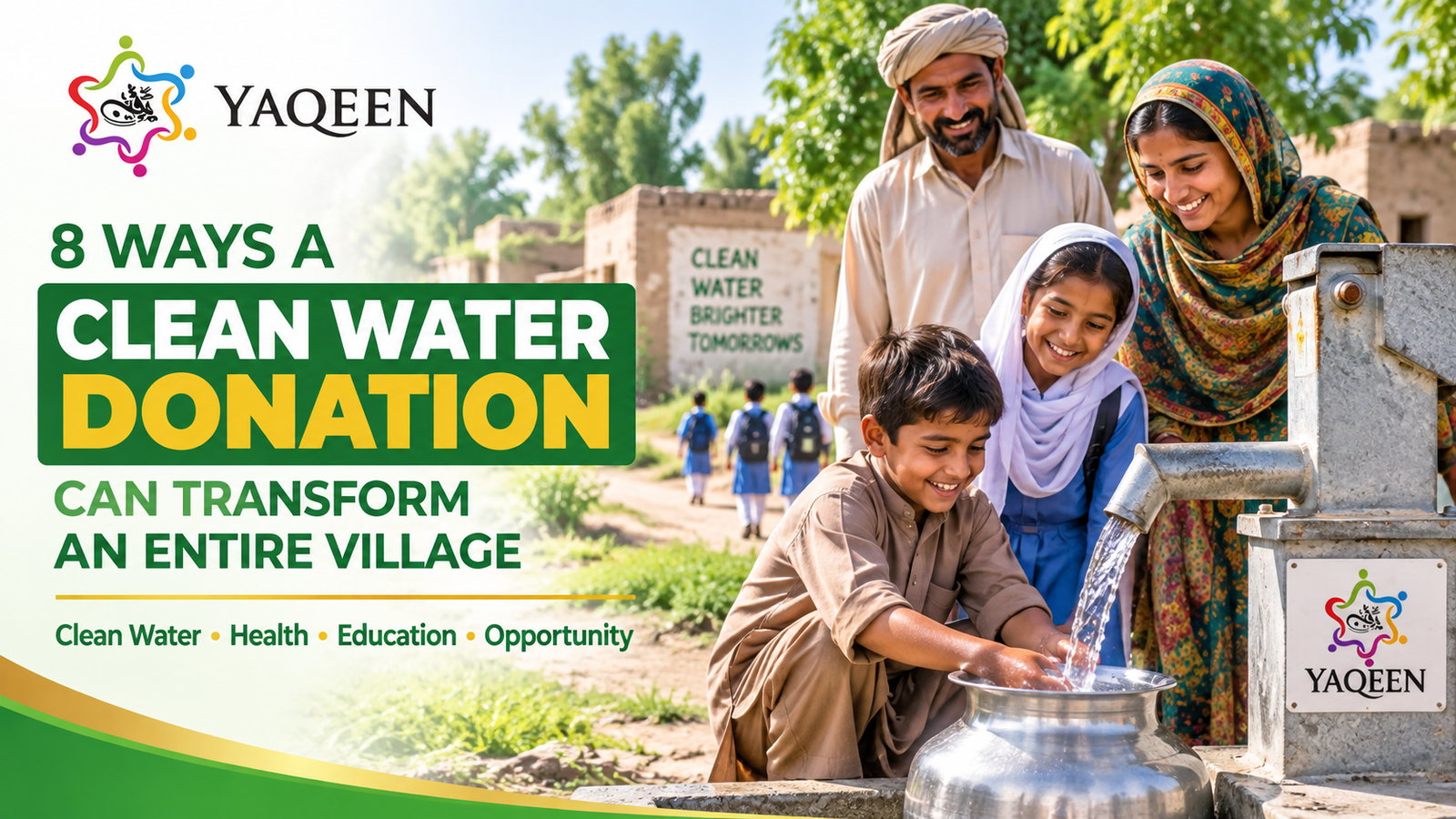
Somewhere, a child draws clean water from a pump and carries it home. Your reward is written.
A mother in a village you have never heard of washes her infant’s fever with clean water from that same source. Your reward is written again.
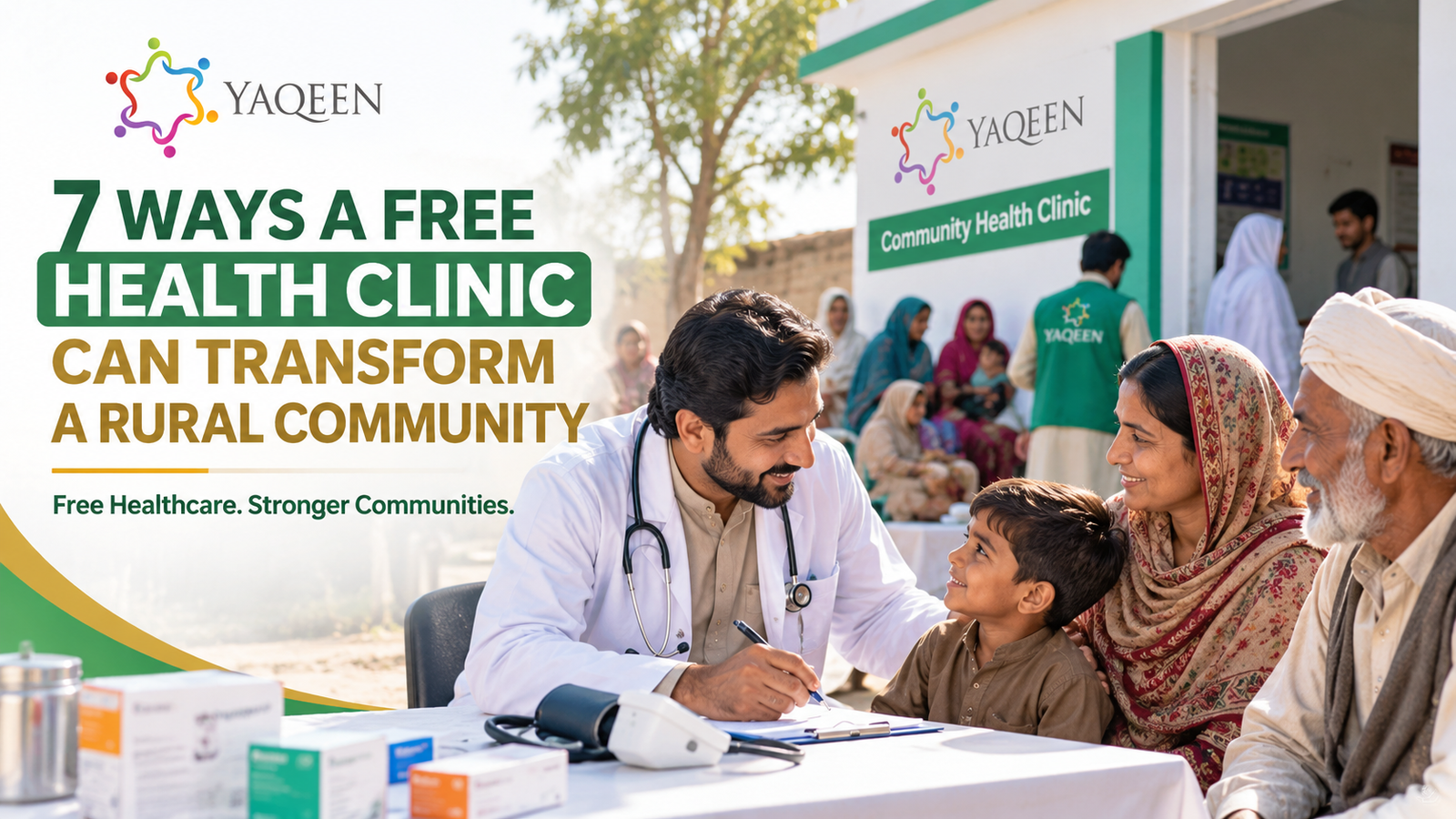
A patient with no money sits before a doctor in a free clinic and receives care they could not have afforded. Your name is inscribed in a ledger no human eye can read.
A family that once faced destitution finds steady ground. Their children grow up with possibilities that did not exist a generation before. Something you gave, perhaps years ago, is part of that story.
You do not need to know about any of this. You do not need to remember. The accounting has never depended on you — and that is the quiet power of Sadaqah Jariyah.
What Travels With You When Everything Else Stays Behind
We spend our lives building things — careers, homes, reputations, savings. We accumulate. And almost all of what we accumulate will remain here, passed to others or dissolved entirely, when we leave.
Islamic scholars have long described a person in their grave — unaware of the world above, beyond the reach of human intercession — yet continuing to receive. A stream of reward arriving from a water source still flowing. From a hospital still treating. From a family whose stability still holds. The gift was released once. Its effect was never released.
Sadaqah Jariyah is, in the truest sense, the one thing you take with you. Not a record of what you owned. Not a monument to your name. Something far more valuable: an open account, still receiving, long after your capacity to earn has closed.
If you are new to the broader landscape of Islamic giving and want to understand how Sadaqah Jariyah fits alongside other obligations, our guide on Best Times and Methods for Giving Sadaqah in Islam is a useful next read.
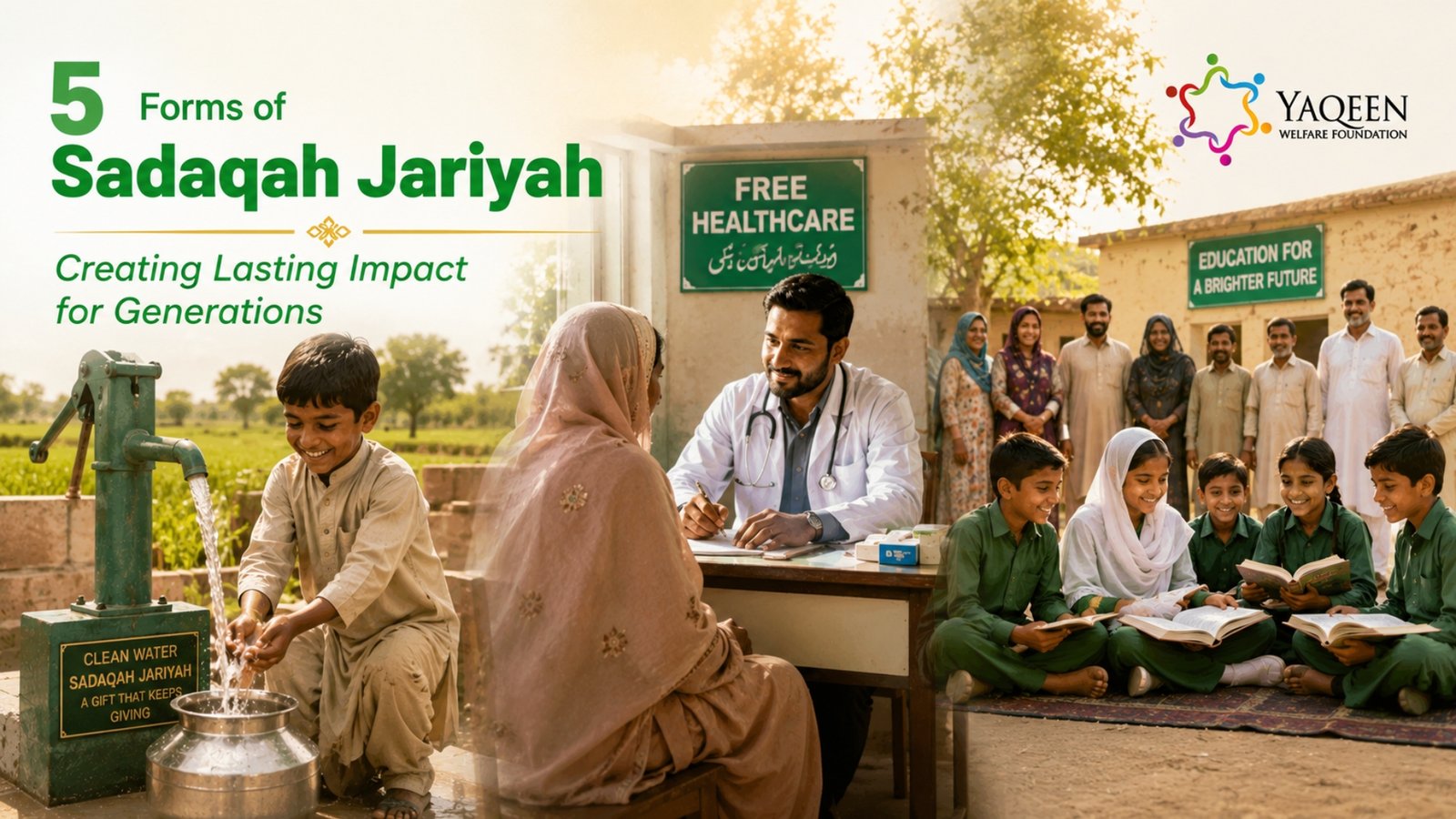
Sadaqah Jariyah vs. Other Forms of Giving
It helps to see how ongoing charity compares to other categories of giving in Islam. The table below breaks down the key differences:
| Type of Giving | Is It Obligatory? | When Does the Reward End? | Typical Example |
|---|---|---|---|
| Zakat | Yes (annual, on qualifying wealth) | Reward is for the single act of payment | Annual zakat on savings or gold |
| Sadaqah | No (voluntary) | Reward is for the single act of giving | Cash given to a person in need |
| Sadaqah Jariyah | No (voluntary) | Reward continues as long as the benefit continues | A water pump, a free clinic, a school |
| Waqf (endowment) | No (voluntary) | Often a permanent form of Sadaqah Jariyah | A mosque, a hospital wing, an orphan home |
Notice the distinguishing feature in the third row: with Sadaqah Jariyah, the reward is not capped by the moment of giving. It is capped only by how long the benefit you funded keeps serving people.
A Real Impact: The Charity That Kept Working
Let us make this tangible.
A donor gave toward a clean water project several years ago. Not a dramatic sum. Not a ceremony. A decision made, a payment completed, a receipt sent to an inbox that has long since been archived.
That donation contributed to the installation of a water pump in an underserved community — a place where contaminated water had been causing preventable illness for years. Children were missing school. Mothers were walking dangerous distances. Waterborne disease was simply a fact of life.
This is not a small problem in Pakistan or in much of the developing world. According to the World Health Organization, unsafe drinking water, sanitation, and hand hygiene contribute to roughly a million preventable deaths every year, and a large share of that burden falls on children under five.
Then the pump arrived. And everything shifted:
- Illness rates fell as families stopped drinking contaminated water.
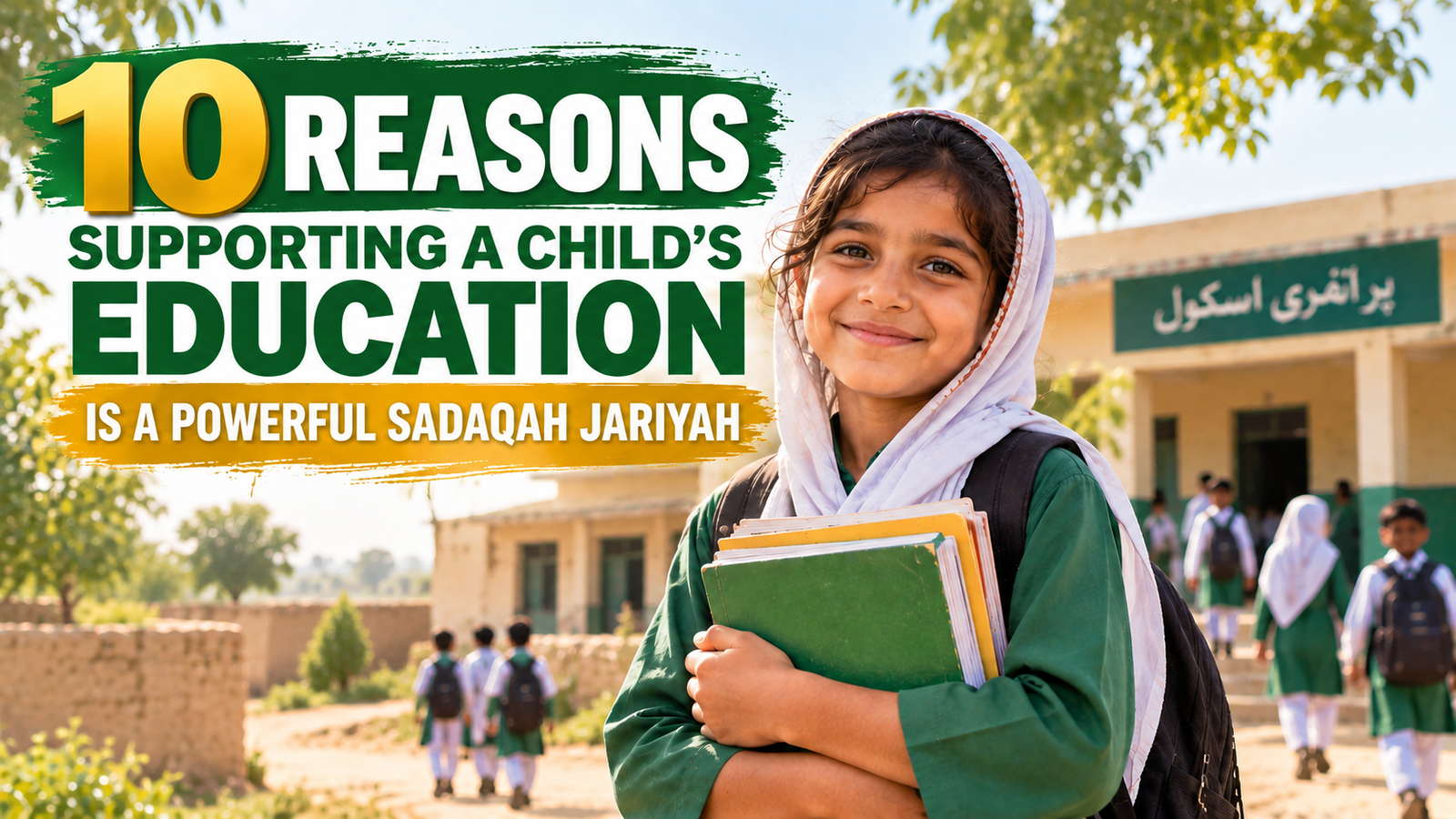
- Girls who once spent their mornings collecting water began attending school instead.
- Mothers had hours returned to them — hours that had been consumed, every single day, by the crisis of survival.
The donor who contributed to this has almost certainly forgotten the transaction. The pump has not forgotten to flow. This is Sadaqah Jariyah doing exactly what it was always meant to do — working quietly, long after the giver has moved on.
To see how this principle scales across an entire country, our article on Donate Water Through Our Foundation Across Pakistan walks through where these projects are currently active.
Where Your Sadaqah Jariyah Goes at Yaqeen Welfare Foundation
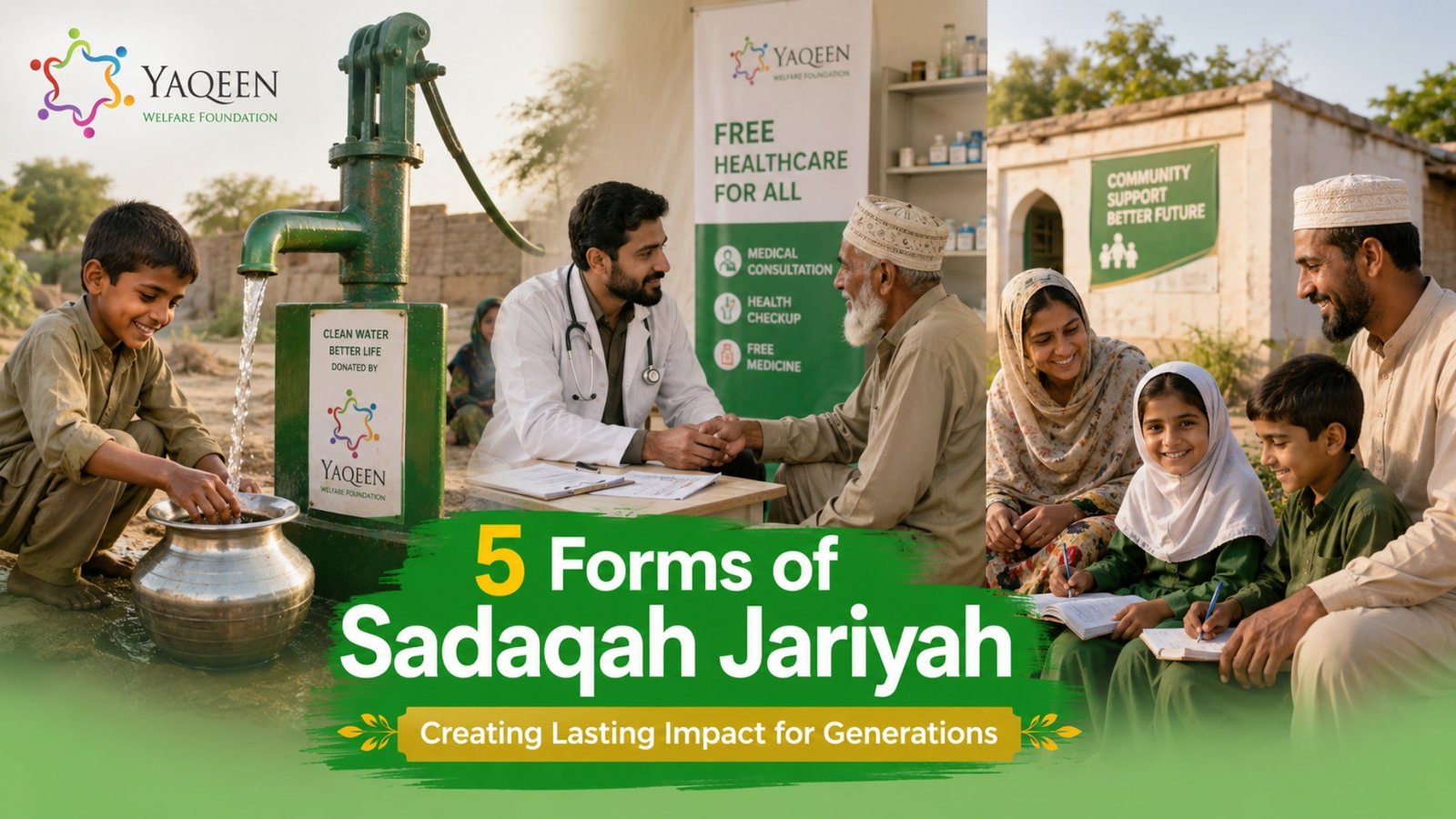
Every project we run at Yaqeen Welfare Foundation is built around a single principle: impact that endures. We do not fund interventions that require constant renewal. We build things that last, and we serve communities that need lasting change. Below are five forms your Sadaqah Jariyah can take with us.
1. Clean Water Projects
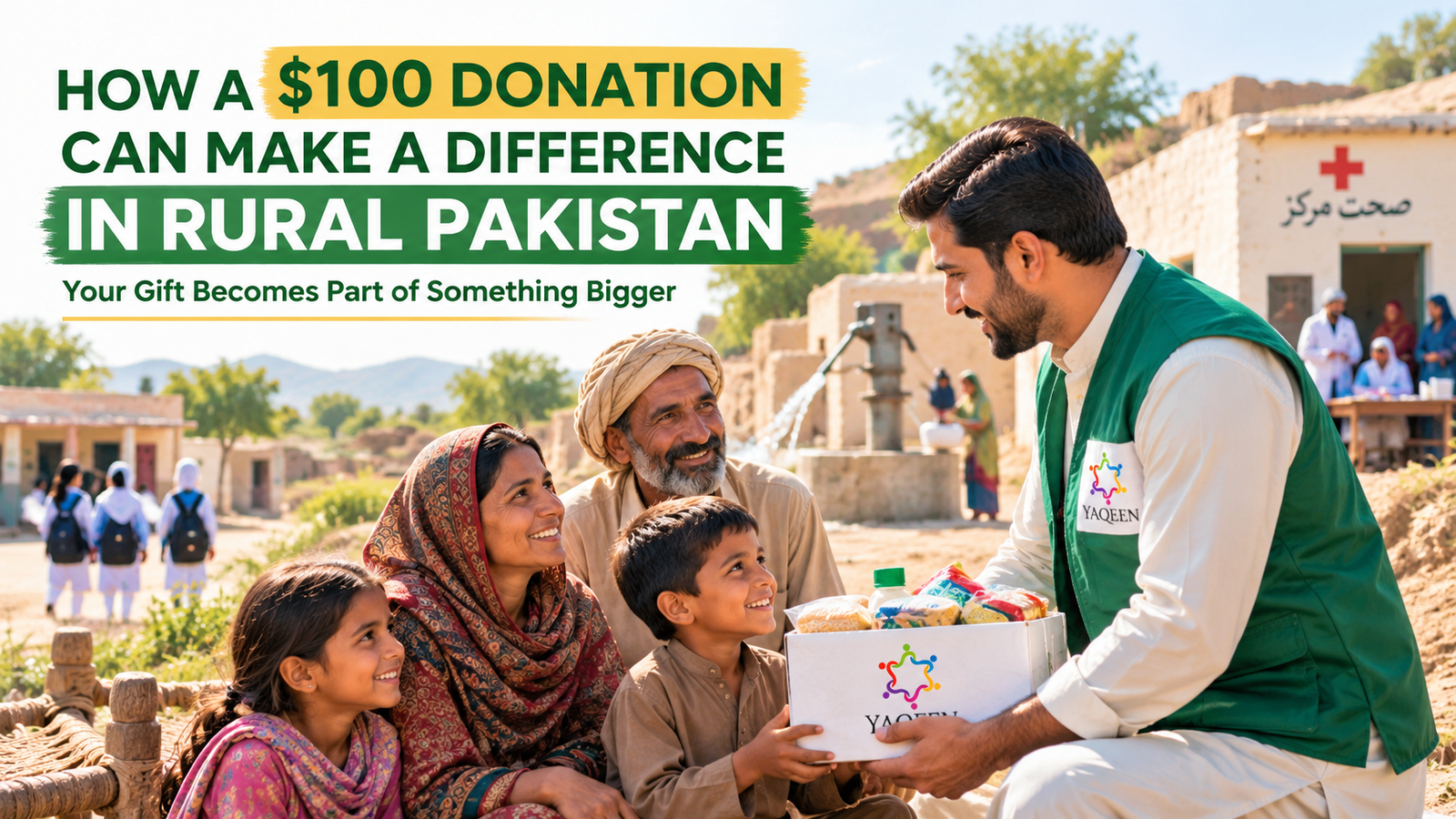
Safe water is not a luxury. It is the foundation beneath every other form of human flourishing. Where water is contaminated or inaccessible, health collapses, children cannot learn, and families cannot build. Our clean water initiatives place pumps and filtration systems in communities where this suffering has persisted for years. Every pump installed becomes a permanent, flowing source of Sadaqah Jariyah — as long as the water runs, the reward runs with it.
2. Free Healthcare Support — Yaqeen Indus Health Hospital
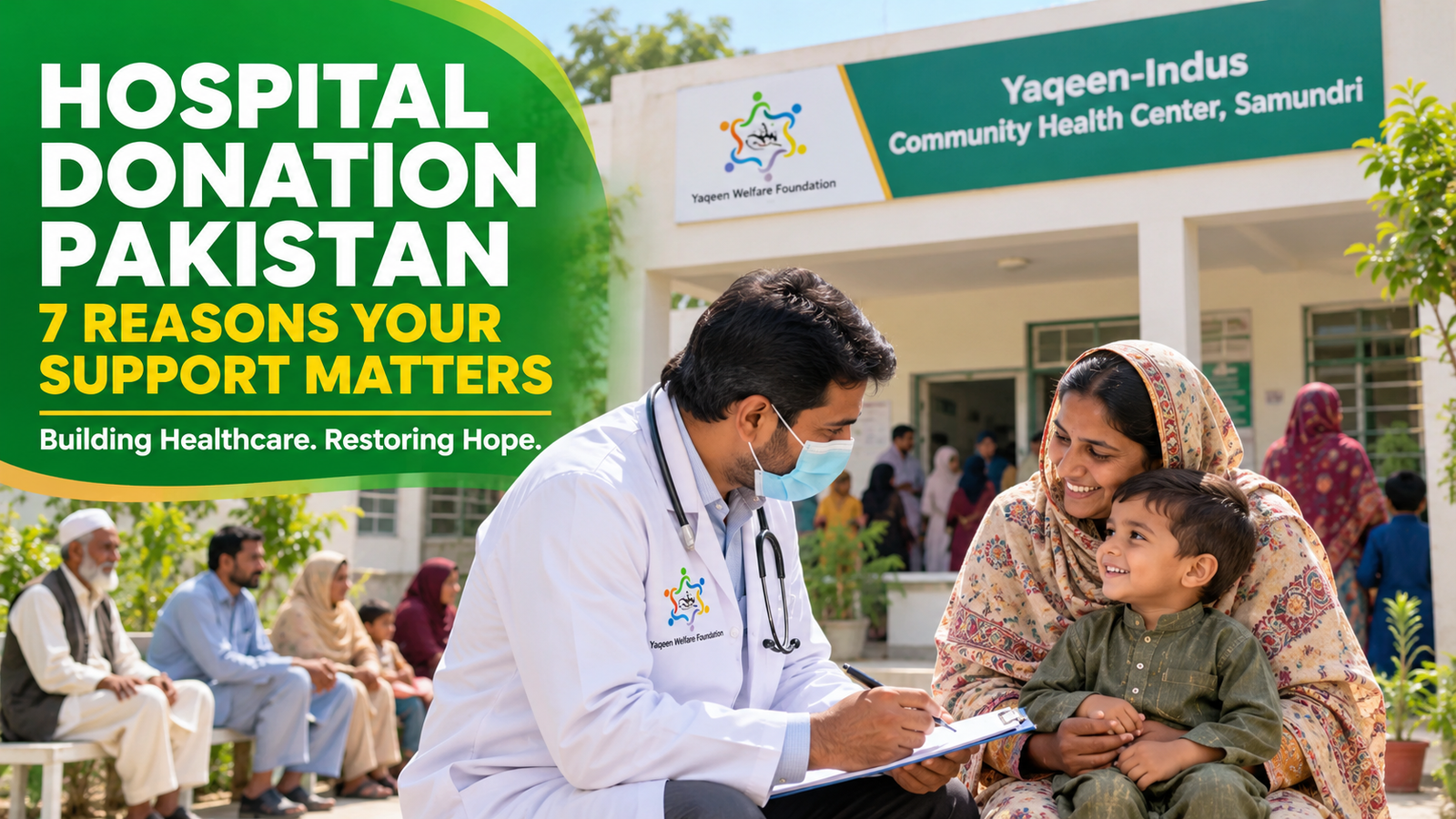
Illness does not ask about income. Neither does our hospital. Through the Yaqeen Indus Health Hospital, patients from underserved communities receive consultations, treatment, and medication at no cost. Every patient seen, every diagnosis made, every family spared the impossible choice between health and survival — all of it becomes part of the ongoing charity of those who funded it.
You can read more about the scale of this work in Benefits of Free Healthcare and Why It Matters and in Your Donation Free Healthcare in Pakistan, both of which show how a single gift turns into recurring, ongoing care.
3. Community Stability Programs
Getting through the month is not enough. We want families to build something. Our community support programmes address the underlying conditions that trap people in cycles of hardship — providing pathways toward genuine stability, not temporary relief. When a family stabilises, their children grow up with different possibilities. When possibilities change, communities transform.
4. Online Sadaqah Through a Trusted Channel
For many overseas donors, the barrier to giving Sadaqah Jariyah is not willingness — it is trust in where the money goes. Our piece on the Donation Center for Online Sadaqah & Free Healthcare explains exactly how online contributions are tracked, allocated, and converted into durable projects.
5. Endowment-Style Giving (Waqf)
A smaller number of donors choose to fund a fixed asset outright — a hospital wing, a well, a section of a clinic — so that the entire structure becomes their personal Sadaqah Jariyah for as long as it stands. This is the closest modern equivalent to the wells and rest-houses the earliest Muslims used to build for travelers.
The Final Thought
There will come a day when you can no longer remember what you gave. Not because it didn’t matter, but because time is long, and memory is short, and the heart moves on to whatever it carries next. There will come another day, further away still, when you can give nothing at all — when your hands are still, your voice is quiet, and your capacity to act in this world has ended entirely.
But the charity you gave — if it was the kind that endures — will still be working. Still drawing water. Still treating the sick. Still steadying the lives of people who never knew your name and never will.
You forgot it. Perhaps long ago. Allah did not.
Every benefit produced. Every life touched. Every cup of clean water, every wound treated, every child who reached school because someone, somewhere, gave when they were asked — all of it recorded. All of it still accumulating. All of it still yours.
The question is not only “Should I give?” The deeper question is: what is still giving on my behalf right now — for things I have long since forgotten, toward people I will never meet, in a ledger I cannot see?
Your answer to that question is one of the most consequential decisions of your life. And it begins with a single gift.
Donate Now — Start Your Sadaqah Jariyah Today »
You may also want to read Allah Acknowledges Charity – You Should Never Ignore for a deeper look at how every act of giving, however small, is recorded.
Frequently Asked Questions About Sadaqah Jariyah
We know giving is a deeply personal decision. Here are answers to some of the most common questions people ask before taking that step.
Q: I gave years ago and have no record of it. Does that charity still count as Sadaqah Jariyah? Yes — completely and without condition. The validity of Sadaqah Jariyah does not depend on your memory of it, your records of it, or even your awareness that it is still producing benefit. If you directed a gift toward something that continues to serve people, the reward continues to flow. The accounting belongs to Allah, not to your inbox.
Q: Can I give Sadaqah Jariyah on behalf of someone who has passed away? Yes — and this is among the most beloved acts a person can perform for a deceased parent, spouse, sibling, or friend. The Prophet ﷺ confirmed that charity given on behalf of the deceased reaches them. For many donors, giving in memory of a loved one transforms each act of charity into a tribute that keeps paying forward long after the person is gone.
Q: Does the reward from Sadaqah Jariyah truly continue after my own death? Yes. This is the explicit meaning of the hadith referenced above. The act of giving is completed once. The reward from that act is never completed — as long as people continue to benefit from what you established, the rewards continue to accumulate. Your death closes your ability to give; it does not close your account.
Q: How do I know my donation is being used for something lasting? At Yaqeen Welfare Foundation, transparency is central to how we operate. Our projects are built for durability — infrastructure, healthcare access, and community programmes designed to produce long-term change rather than short-term relief. We direct donations toward what genuinely carries the quality of Sadaqah Jariyah, not just the intention of it.
Q: Is there a minimum amount required to start a Sadaqah Jariyah? There is no minimum. A modest contribution toward a water pump, a share in a hospital’s running costs, or a portion of a community programme becomes Sadaqah Jariyah when it produces ongoing benefit. What matters is not the size of the gift — it is the nature of what it builds. Even the smallest gift, placed in the right hands, has the capacity to outlive the hand that gave it.
Q: What’s the difference between Sadaqah and Sadaqah Jariyah? Regular Sadaqah is rewarded once, for the single act of giving. Sadaqah Jariyah is rewarded continuously, for as long as the thing you funded keeps benefiting people — a distinction worth revisiting in the comparison table above.
Have More Questions? Get in Touch
If you would like to discuss a specific project, ask about where a particular donation is allocated, or simply learn more before you give, our team is reachable directly.
Contact Yaqeen Welfare Foundation »
Yaqeen Welfare Foundation provides free medical treatment, clean water, and community assistance to underserved communities across Pakistan, built on projects designed to last — so that every gift becomes Sadaqah Jariyah.