Yaqeen Welfare Foundation

7-Steps-of-Hajj CategoriesBlog

7 Steps of the Hajj – The Sacred Journey Explained Step by Step

Have you ever wanted something so badly that just thinking about it made your chest tight ? That is what Hajj feels like. A dream carried quietly for years. And when the day finally comes — it is always more than imagined. At Yaqeen Welfare Foundation we want you to understand this journey before you take it. Not just the 7 Steps of the Hajj but what each one means for the person walking them. Step 1 — Ihram — Let Everything Go First step of 7 steps of the hajj is Ihram Before reaching Makkah every pilgrim stops at the Miqat — a designated boundary — makes their intention and changes into Ihram. Two plain white sheets for men. Modest full cover for women. No perfume. No cutting hair or nails. No arguments. Everyone looks the same. The rich and the poor. The doctor and the labourer. Every label you carry in daily life gets left at that boundary. Then you say — Labbayk Allahumma Labbayk. Here I am O Allah. Here I am. Something shifts when those words leave your mouth. Like a door opening that you did not know was closed. Step 2 — Tawaf — Walk Around the House of Allah Second step of 7 steps of the hajj is Tawaf Nobody warns you about seeing the Kaaba for the first time . You walk in and something in your chest just breaks open quietly. Seven circles around the Kaaba in an anticlockwise direction starting from the Black Stone. Touch it if you can. Point toward it if the crowd does not allow. Each circle is not just movement — it is a conversation with Allah. After Tawaf two rakats are prayed near Maqam Ibrahim — the exact spot where Ibrahim ﷺ stood when he built these walls. Allah says in the Quran — take the station of Ibrahim as a place of prayer. (Surah Al-Baqarah 2:125) Step 3 — Sa’i — Walk in Her Footsteps Third step of 7 steps of the hajj is Sa’i Before Sa’i is a ritual — it is a story you need to feel. Hajar was left alone in a burning empty valley with her baby and no water. She ran between Safa and Marwa seven times — not because she had a plan but because she refused to stop trusting Allah. On the seventh time Zamzam burst from the ground. When you walk those seven times — think about her. Think about the times you kept going when you could not see the way forward. That is what this step is really about. Step 4 — Mina — The Night Before Everything Changes Foruth step of 7 steps of the hajj is Mina 8th of Dhul Hijjah. All pilgrims travel to Mina — a valley of white tents about 8 kilometres from Makkah that exists only for Hajj. Prayers are shortened and combined here. The noise of the journey quiets down. Most pilgrims are too anxious about Arafat to be fully present in Mina. Try to be present. These quiet hours before the biggest day of your life are a gift. Step 5 — Arafat — The Day That Changes Everything Fifth step of 7 steps of the hajj is Arafat If you remember one thing from this guide — let it be this. The Prophet ﷺ said — Hajj is Arafat. (Tirmidhi) Miss this day and there is no Hajj. No making it up. 9th of Dhul Hijjah. You stand on the plain from midday until sunset and you ask Allah for everything. Your sins. Your family. Your fears. The things you have never said out loud to anyone. Allah on this day frees more people from the Fire than on any other day of the year. (Muslim) Let yourself be one of them. Whatever is in your chest — let it all out. That plain was made for exactly that. Step 6 — Muzdalifah and Stoning — Choose Your Side Sixth step of 7 steps of the hajj is Muzdalifah After Arafat pilgrims walk to Muzdalifah, to offer Maghrib and Isha prayed together. 49 small pebbles collected. And then sleep — under the open sky, on the ground, with two million others. No luxury. No comfort. Everyone is equal on the same earth. Next morning on Eid al-Adha the Jamarat is stoned — three pillars representing the moments Shaytan tried to stop Ibrahim ﷺ. Seven throws at the largest pillar. Each one a declaration — I choose Allah over you. Every time. Then Qurbani. Then shaving or cutting hair. Then exit Ihram. Then back to Makkah for Tawaf al-Ifadah — the obligatory Tawaf that completes Hajj. Step 7 — Farewell Tawaf — The Hardest Goodbye Last step of 7 steps of the hajj is Farewell Tawaf Seven last circles before leaving Makkah. People who barely cried at Arafat fall apart here. Because Arafat felt like arrival. This feels like goodbye. The Prophet ﷺ said no pilgrim leaves without this final Tawaf. Walk slowly. Make every circle count. Because the question sitting quietly in your chest as you finish — will I ever come back — is one only Allah knows the answer to. Final Thought Every person who walks these 7 Steps of the Hajj carries something heavy into Makkah. Guilt. Grief. Mistakes replayed at night. They carry it all in — and they leave it there.That is what Hajj really is. Not the rituals on paper. But the moment a person stands before Allah with nothing  to hide behind and says — here I am. Just me. Take it all. And when you come back — you come back different. Lighter. Cleaner. With a heart that finally knows what it feels like to be heard. But here is something we think about a lot at Yaqeen Welfare Foundation. Hajj changes the person who goes. And Sadaqah changes the lives of the people left behind. While you are preparing for your journey to the House of

umrah-hajj-what's-a-difference CategoriesBlog

What’s the Difference Between Umrah and Hajj? A Complete Guide

If you have grown up Muslim, you have heard both these words your entire life. At weddings, at funerals, in dua after salah. Someone always just got back from Umrah. Someone’s uncle finally did his Hajj after years of waiting. But ask most people to explain the actual difference between umrah and hajj and they will pause. They will give you something. But it will be fuzzy around the edges. Actually Mostly they also don’t know the difference between umrah and hajj. That is completely okay. At Yaqeen Welfare Foundation, we want to walk through this with you — not throw facts at you, but actually help it land. Because once you understand the difference between umrah and hajj, something shifts. You start to see it’s a little differently. So let us start from the beginning. What Is Hajj  Before understanding a difference between umrah and hajj, You have to know about Hajj first. Think of Islam as a house. Five pillars hold it up. Shahada. Salah. Zakat. Sawm. And the fifth — Hajj.When something is a pillar, it is not a suggestion. It is structural. Take it away and the whole thing is incomplete. That is how Hajj sits in your faith. Allah put it in the Quran without ambiguity — ” And Hajj to the House is a duty that mankind owes to Allah, for those who are able to undertake the journey. “ (Surah Aal-Imran 3:97) A duty. Not a bonus act of worship for the extra devoted. A duty — for every Muslim who has the health and the financial means to make it happen, at least once before they die. Now here is what that journey actually looks like. Hajj comes once a year, locked into the month of Dhul Hijjah. You cannot do it in Ramadan or move it to a convenient time. It has a ixed window and within that window, specific rituals unfold across several days. Tawaf around the Kaaba. Sa’i between Safa and Marwa. The standing at the plain of Arafat. A night in Muzdalifah under the open sky. The stoning of the Jamarat in Mina. And the sacrifice of Qurbani. Each of these carries its own history, its own ache, its own connection back to Ibrahim and Hajar and a story that is thousands of years old but somehow still feels personal. But of all of it — Arafat is the heart. The Prophet ﷺ said “Hajj is Arafat.” (Tirmidhi). Miss that one day on that one plain and there is no Hajj. Everything else wraps around it. What Is Umrah — And Why People Keep Going Back For understanding a difference between umrah and hajj, understand umrah too.. If Hajj is the obligation, Umrah is the open invitation. There is no fixed time for it. No narrow window. Ramadan, winter, spring, a random month when your heart is heavy and you just need to go — Umrah accepts you any time of year. That openness is part of what makes it so beloved. The rituals are fewer and simpler than Hajj. You enter the state of Ihram. You perform seven rounds of Tawaf around the Kaaba. You walk Sa’i between Safa and Marwa seven times, retracing the steps of Hajar as she searched for water for her child. Then you cut or shave your hair and step out of the Ihram. That is Umrah. No Arafat. No Muzdalifah. No stoning. Those belong to Hajj. But do not let the simplicity fool you into thinking it is small. The Prophet ﷺ said “Umrah to Umrah is an expiation for what is between them.” (Bukhari and Muslim). Every Umrah you complete wipes away the sins you carried since the last one. Sit with that for a moment. That is not a minor reward. That is a mercy so wide it is almost difficult to fully accept. Which is why people keep going back. Again and again. Once is never really enough. That’s a difference between umrah and hajj, How They Actually Differ — Understood Not Just Memorised Here is where it helps to slow down and see these two journeys side by side — not as a list to memorise but as a way to truly feel the difference. Hajj is compulsory. Umrah is Sunnah. That gap matters more than it sounds. If you have the means and you never perform Hajj, that is an obligation left unmet — a debt still owed. Umrah carries no such weight. Missing it is not a sin. But performing it is a gift you give yourself. Hajj lives in one specific stretch of days in Dhul Hijjah. It cannot be moved or rescheduled. Umrah is fluid — available to you on almost any day of the year. Hajj takes days. Multiple rituals spread across Makkah, Mina, Arafat, Muzdalifah — a journey that unfolds slowly and demands your full presence. Umrah, if you are already in Makkah, can be completed within a few hours. Most people stay longer because leaving feels impossible. But the rituals themselves are swift. And in terms of spiritual promise — both carry enormous weight. But Hajj holds something singular. The Prophet ﷺ said ” Whoever performs Hajj and does not commit any obscenity or wrongdoing will return as pure as the day his mother gave birth to him. “ Bukhari. A Hajj that Allah accepts does not just reduce your sins. It erases them entirely. You come back new. The Question Everyone Asks — Can Umrah Stand In For Hajj People ask this more than you might think. And it makes sense — if Umrah is so rewarding, if you have done it multiple times, surely it counts for something toward Hajj? It does not. That needs to be said gently but clearly. No number of Umrahs fulfills your Hajj obligation. They are not two versions of the same thing. They are two entirely separate acts of worship with different rulings, different rituals, and different standing in your faith.

giving-sadaqah-to-no-muslims CategoriesBlog

Can We Give Sadaqah to Non Muslims? What Islam Clearly Say

“Can We Give Sadaqah to Non Muslims?” We hear this question often, and it’s always good when people ask it — it shows they’re trying to do things the right way. Here at Yaqeen Welfare Foundation, we have spent years working on the ground in Pakistan — helping the sick get medicine, helping children get education, and helping families get a roof over their heads. We have sat with people from all walks of life. And one thing we have learned is this — kindness does not check anyone’s religion before it shows up. So today, let us talk about a question that many Muslims quietly wonder about — Can we give Sadaqah to non Muslims? Let us find out together. What Is Sadaqah in Islam? Sadaqah is way more than just giving money. It includes any act of giving — whether it’s money, food, time, a kind word, or even a smile. Islam makes Sadaqah simple so that people can give often and do it sincerely, in a way that becomes part of everyday life. There are two types of Sadaqah: In this blog, we are talking about voluntary Sadaqah. This is the kind most of us give in our daily lives and this is where the answer gets beautiful. Can We Give Sadaqah to Non-Muslims? The Simple Answer Yes. You absolutely can give Sadaqah to a non Muslims. We say this with full confidence — not just from our own experience working with communities across Pakistan, but from the Quran and the Sunnah of our beloved Prophet ﷺ. Allah says clearly in the Quran: “Allah does not forbid you from those who do not fight you because of religion… from being righteous toward them and acting justly toward them.” (Surah Al-Mumtahanah: 8) Read that again. Allah is telling us — if someone is not your enemy, be good to them. Be just. Be kind. Not even a single verse in the Quran… not one… tells you to stop charity at the gate of religion. What Did the Prophet ﷺ Teach Us? We always come back to the Prophet ﷺ because his life is our clearest guide. And his life was full of kindness to everyone — not only Muslims. Asma bint Abi Bakr (RA) once came to the Prophet ﷺ with a question very similar to yours. Her mother was not a Muslim and she wanted to know that can I still give her gifts? Can I still help her? The Prophet ﷺ did not even hesitate. He said yes. He told her to keep her ties with her mother and also to be good to her. This Hadith is recorded in Sahih Bukhari and Sahih Muslim both — two of the most trusted books of Hadith in Islam. That one answer from the Prophet ﷺ it really does tells us everything. Helping a non-Muslims is not against Islam. It is a part of Islam. When Is Giving Sadaqah to Non Muslims Especially Meaningful? In our work at Yaqeen Welfare Foundation, we see this play out every single day. Let us share some real situations where giving to a non-Muslims is not just allowed — it is truly the right thing to do. 1. Your Non-Muslim Neighbor Is Struggling. The Prophet ﷺ spoke so highly of the neighbor’s right that some companions thought neighbors would even inherit from each other. If your neighbor is hungry, cold, or sick — it does not matter what they believe. Feed them. Help them. That is the Sunnah. 2. Your Own Family Members Are Not Muslim. Many of us have brothers, sisters, or relatives, even parents as well who follow a different faith. Islam does not ask you to cut them off. It asks you to respect them, love them and also help them when they are in need. Family is family, and kindness is always right. 3. A Poor Person in the Street When we run our medical camps and food drives across Pakistan… honestly, we never stop to ask someone their religion before handing them medicine or a meal. A hungry child is a hungry child. A sick grandmother is a sick grandmother. Allah always sees who you helped — not what religion they were. 4. Building Bridges Through Kindness Every time a Muslims stretches out a hand to someone different, Honestly it is a living example of.what Islam really stands for. This is Dawah without words. This is how hearts open. What About Zakat? Is It the Same? This is a fair question and honestly, it deserves a straight answer. Zakat — well, it carries a different weight than voluntary Sadaqah. The majority of Islamic scholars hold that Zakat belongs to the eight categories the Quran specifically mentions — and non-Muslims generally do not fall within those categories. But here is the thing — voluntary Sadaqah has no such restriction. It is yours to give, and you can give it to anyone in need. A simple way to remember it: Zakat = Specific rules, mostly for Muslims. Voluntary Sadaqah = Open to all who need help One Thing We Always Remind Ourselves At Yaqeen Welfare Foundation, we talk about intention a lot. Niyyah — your intention — is everything in Islam. When you give Sadaqah to anyone, Muslims or non-Muslims, give it because you genuinely want to help. Give it because you want to please Allah. Not to show people how generous you are. Not to pressure anyone. Just pure, quiet, honest giving. Allah sees what no one else can see — your heart. And well… a small act done with sincerity? It carries more weight than any grand gesture done just for show. “The Quran teaches that charity is a form of worship and purification — spending on the needy, providing for family, helping relatives, and contributing to general welfare all fall under giving “in the way of Allah.” Source: Al Muslim Quran Final Thought We started Yaqeen Welfare Foundation because we believe one word — Yaqeen

sadaqah-jariyah-donate-online-in-pakistan CategoriesBlog Uncategorized

What Is Sadaqah Jariyah and Why Should You Donate Online in Pakistan?

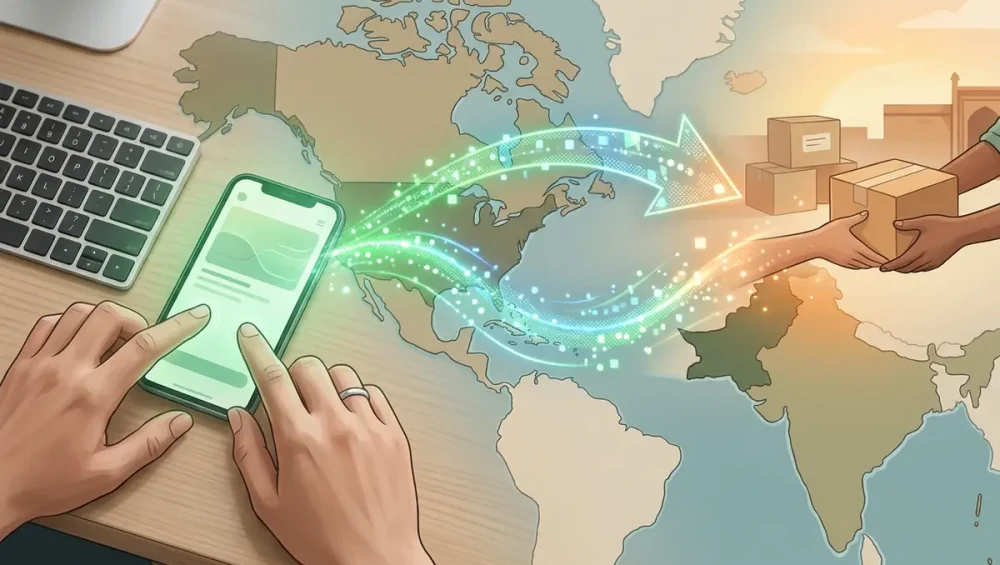
Most of us give when we can. A little here, a little there. But there is one kind of giving in Islam that is different. It does not stop. It keeps going even after you are gone. That is sadaqah jariyah. And if you are looking to donate online in Pakistan in a way that actually means something, you need to read this. At Yaqeen, we are the best place in Pakistan to turn your charity into something that lasts a lifetime and beyond. What Is Sadaqah Jariyah? Sadaqah jariyah is basically charity that never switches off. The Prophet ﷺ told us that when we die, everything stops but not everything. Three things keep going and sadaqah jariyah is one of them. So just imagine — you are gone, but somewhere out there, someone is still being helped because of something you did while you were alive.. And every single time that happens, you are still earning from it. Day after day, without stopping. Not a hard concept to understand. Just a really, really heavy one when it actually sinks in. Why a Free Clinic Is One of the Best Examples Picture this. A woman walks into a clinic for a checkup. She has been unwell for many days, but she had no money for a doctor appointment. She gets checked. She gets medicine. She goes home better. Now ask yourself — who made that possible? The donor who gave months ago. Maybe someone who never even met her. That is sadaqah jariyah working exactly the way it should. At Yaqeen, our health clinic does this every single day. We have helped over 27,574 people through family medicine alone. More than 11,000 people have received mental health support. Nearly 1,800 mothers and children have been cared for maternal health services. Every one of those moments was funded by someone’s charity. Someone’s sadaqah jariyah. Why Give Online? Here Is the Honest Answer Because it is easier, faster, and nothing gets lost on the way. When you donate online in Pakistan through a trusted platform like Yaqeen, your money goes directly where it needs to go. You do not have to wonder. You do not have to follow up. The work is already happening — and your donation joins it instantly. You can also give monthly. That means your sadaqah jariyah does not depend on you remembering. It just runs. Quietly. Consistently. Earning for you while you go about your life. That is a beautiful thing when you think about it. What Yaqeen Has Built — And Is Still Building The Yaqeen Indus Health Clinic is real. It is open. People are walking through its doors right now. It started with a vision, responsibility and a lot of faith. Donors gave. Construction began. And eventually, a clinic stood where there was nothing before. Right now it looks after more than 50,000 people a year — family medicine, immunisation, mental health, maternal care, all of it. And those 50,000 are not just numbers. Every single one of them is somebody’s mother, somebody’s kid, somebody’s neighbour, somebody’s closest friend. And each one of them was helped — at least in part — by people who chose to give online and trust the process. Your donation can set all of that in motion. That is sadaqah jariyah — not as a concept, but as something you can actually see and point to.If you want your charity still working years from now, long after the moment has passed — Donate online at Yaqeen and start building something that genuinely outlasts you. Pakistan needs that right now. According to Human Rights Watch, more than half of Pakistanis cannot access basic primary healthcare — and 42% have no health coverage at all. People are waiting for care they cannot afford. Source; Human Right Watch Final Thought We do not always get to see the good we do. You give, life moves on, and somewhere out there, a person you will never meet gets the care they needed. That is okay. That is actually the point. Sadaqah jariyah is not about recognition. It is about leaving something behind that matters. Pakistan needs that right now. People are waiting for care they cannot afford. And you have the ability — right now, from your phone or laptop — to be part of the answer. Give through Yaqeen. Give simply. Give in a way that never really ends. FAQs 1. Can giving to a hospital or clinic count as sadaqah jariyah? Absolutely. Think about it — a clinic sees hundreds of patients every single month. Every time someone walks out feeling better, the person who helped fund that place gets a share of that. It is not abstract. It is one of the most real and direct ways this kind of charity works. 2. Is it safe to donate online in Pakistan? Yes, if you are giving through an organisation that is open about where the money goes. Yaqeen does not just take donations and go quiet. They track who was helped, share their numbers, and keep donors in the loop. You are not guessing — you can actually see the impact. 3. What if I can only give a small amount? Give it anyway. A few hundred rupees a month does not feel like much. But put it together with what others are giving, and suddenly someone is getting a doctor visit they could not afford. Someone is getting medicine. Someone is getting a check-up that catches something before it gets worse. Your small amount is doing that. 4 Can I give sadaqah jariyah on behalf of someone who has passed away? Yes, you can if you have lost someone you love. You can still do something for them. Give in their name. In Islam, that reward travels to them. They are gone, but the good you do on their behalf still reaches them. That is a gift no one else can give them now, except you. Giving in

Three women in headscarves review medical documents at a table in a hospital room, while another woman lies in a hospital bed covered with blankets in the background. The setting appears bright and clinical. CategoriesBlog

Sadaqah That Heals: Support Healthcare In Rural Pakistan Today

Sadaqah for health gives hope to families who face illness and poverty. Many villages in Pakistan lack doctors and medicine. Sadaqah That Heals supports those families with real care. It is important to understand the need. According to the World Health Organization, rural Pakistan has poor healthcare access. Poor families can’t afford treatment. Sadaqah becomes essential support for mothers, children, and seniors. Health care costs rise every year. A 2023 national health review showed that many low-income families spend over 50 percent of their income on treatment. That burden forces families to delay care. Sadaqah for health steps in during such hardship. What Is Sadaqah That Heals In Islam Islam values compassion for those who are sick. Prophet Muhammad (PBUH) mentioned charity takes away harm. Scholars reference this hadith about charity and healing when discussing community care. Sadaqah for health follows that principle. It is important to reflect on Sadaqah benefits. Charity protects wealth and softens hearts. Research from Islamic Relief shows that consistent charity builds strong community bonds. Sadaqah reflects both faith and action. Sadaqah Benefits For Individuals And Communities Sadaqah benefits include spiritual reward and social relief. Charity reduces hardship. Charity supports unity. Charity strengthens faith. Medical charity saves lives. Sadaqah for sick people supports medicine access in such regions. UNICEF research reveals that village children suffer from illnesses more than city kids. Why Healthcare In Rural Pakistan Needs Support Rural Pakistan faces serious health gaps. Clinics lack trained staff. Medicine supply remains weak. Clean water access remains limited in some districts. Government data shows that many villages sit miles away from hospitals. Travel costs prevent early treatment. Sadaqah That Heals addresses that gap. Health emergencies increase during floods and heat waves. Pakistan experienced major floods in recent years. Reports from humanitarian agencies confirm rising disease after natural disasters. Sadaqah for health responds to urgent needs in such times. Medical Challenges In Rural Communities Common problems include: Such barriers create avoidable suffering. Sadaqah That Heals supports direct patient care. How Sadaqah That Heals Funds Treatment Charity for medical treatment funds medicine for chronic illness. Many patients need insulin or heart medication. Costs remain high. Charity reduces pressure. Yaqeen Welfare Organization supports rural clinics through our services in medical outreach. Structured programs increase reach. Community trust grows through transparency. A 2022 health survey found that early treatment lowers hospital costs by 30 percent. Sadaqah promotes early care through funded checkups. Supporting Maternal And Child Health Maternal health remains a concern in rural Pakistan. UNICEF data shows higher maternal mortality in remote districts. Sadaqah That Heals supports safe delivery programs and prenatal care. Children require vaccines and nutrition. Rural vaccination coverage remains lower than city levels. Sadaqah for sick people funds essential child treatment. Best Sadaqah In Islam And Medical Aid Scholars explain that the best Sadaqah in Islam removes harm. Illness creates fear and pain. Medical charity removes part of that burden. Sadaqah That Heals reflects that teaching. Health support continues beyond short-term relief. Treatment restores dignity. Research in Muslim philanthropy shows that healthcare charity ranks among the top giving categories. Communities prioritize healing because the impact remains clear and lasting. Structured Giving Through Trusted Channels It is important to give through accountable systems. Yaqeen Welfare Organization operates healthcare aid through our services in rural support networks. Oversight ensures funds reach patients. Sadaqah connects donors and families through verified programs. Transparency builds trust. Donate Today To Support. Real Impact Of Sadaqah That Heals In Rural Pakistan Real stories show change. A rural mother receives safe childbirth support. A child gains medicine for an infection. An older man receives heart treatment. Humanitarian reviews report that consistent health aid lowers long-term disease burden. Sadaqah contributes to community resilience. Field data from South Asia health programs shows that medical outreach reduces emergency admissions. Sadaqah for health supports such preventive care. Strengthening Local Clinics Local clinics require equipment and supplies. Charity fills funding gaps. Sadaqah That Heals improves clinic capacity through targeted support. Equipment upgrades increase patient survival. Medical training improves outcomes. Structured charity ensures steady progress. Spiritual Rewards Of Sadaqah That Heal Faith connects to action. The Qur’an encourages care for the needy. Scholars state that charity during hardship carries a great reward. Sadaqah aligns spiritual hope with real service. Healing support becomes a form of mercy. A classical scholar once wrote that relief from hardship earns divine relief. Sadaqah That Heals reflects that principle. FAQ’s What Is Sadaqah for Health? Sadaqah for Health refers to charity focused on medical care and treatment support. Why Is Medical Charity Important? Medical charity reduces untreated illness and protects vulnerable families. How Does Sadaqah That Heals Support Rural Pakistan? Funds cover medicine, clinic support, and emergency care. Is Healthcare Considered The Best Sadaqah In Islam? Scholars state that charity, which removes harm, ranks highly in reward. Can Sadaqah Help During Illness? Hadith literature connects charity with relief from hardship. Final Thought Health challenges remain urgent in rural Pakistan. Many families still lack access to care. Sadaqah That Heals provides direct medical relief. Yaqeen Welfare Organization invites structured support for healthcare programs. Transparent systems protect donor trust. Give Sadaqah For Medical Treatment Pakistan continues to transform lives through faith-driven action. Charity becomes medicine. Compassion becomes hope. Healing becomes a shared responsibility.

Man scanning woman’s face at computer desk and Healthcare in Rural Pakistan CategoriesBlog

Healthcare In Rural Pakistan: Challenges And Islamic Charity Solutions

Rural healthcare in Pakistan is one of South Asia’s biggest problems. Rural districts receive even less support. More than 60 percent of Pakistan’s population lives in rural areas, yet most doctors work in large cities. The World Bank says Pakistan spends under 3% of its GDP on health Healthcare in Rural Pakistan suffers from low access and weak support systems. Families travel long distances for treatment. Small clinics operate with few supplies. Many people delay care because of high costs. Overview Of Healthcare In Pakistan Healthcare in Pakistan faces major challenges. There’s just one doctor for 1,300+ people nationwide. Villages have it worse with fewer medical staff. UNICEF data shows maternal deaths in far-off areas remain shockingly high. Healthcare in Pakistan operates through two main sectors: Public hospitals serve people experiencing poverty. Private hospitals serve people who can pay fees. Pakistan Healthcare Statistics And Rural Reality Pakistan healthcare statistics show strong urban concentration.  Access to healthcare in Pakistan remains unequal for rural women. Many rural women travel several hours for childbirth services. Transportation increases costs. Rural clinics often lack trained midwives. Healthcare in Pakistan becomes both a health crisis and a poverty issue. Does Pakistan Have Universal Healthcare? Pakistan launched the Sehat Sahulat Program in selected provinces. This program provides health insurance to eligible families. However, full coverage does not reach every rural community. Many rural residents lack registration or hospital access. Health infrastructure in remote Pakistan remains poor. Government hospitals struggle without proper equipment. Medicine supply remains inconsistent. What Are The Major Challenges In Healthcare In Rural Pakistan? There are 4 major challenges in Healthcare in Rural Pakistan: Each challenge increases health risks in rural communities. Limited Access To Healthcare In Pakistan Limited access to healthcare in Pakistan remains a serious barrier. Rural roads remain poor in many districts. Ambulance services remain limited. Clinics operate with minimal staff. Pakistan healthcare statistics confirm uneven doctor distribution. Rural Sindh and Balochistan show severe shortages. Delayed diagnosis increases complications. Pakistan’s public health data links late care to high maternal deaths. Rural healthcare Pakistan requires faster access and better transport systems. Weak Pakistan Public Health Infrastructure Pakistan’s public health depends on government funding. Rural facilities often lack: Electricity shortages affect service quality. Clean water shortages increase disease risk. Waterborne illnesses remain common. Pakistan Economic Survey shows diarrhea and breathing problems top rural disease lists. Rural healthcare needs both prevention and treatment to work effectively. Financial Barriers And Poverty Medical costs create heavy burdens for rural families. Pakistan healthcare statistics show high out-of-pocket expenses. Many households pay directly for medicines and transport. Low-income families delay treatment due to cost. Access to healthcare in Pakistan depends on income level. Rural healthcare Pakistan becomes unaffordable for many communities. Debt increases when emergencies occur. Poverty and illness form a cycle that weakens families. Islamic Perspective On Healthcare And Charity Islam views healthcare as a communal responsibility. The Qur’an encourages care for the sick. Prophetic traditions recommend seeking treatment. A well-known hadith states that every disease has a cure except old age. Islamic scholars explain that seeking treatment is encouraged. Community support strengthens collective health. Rural healthcare in Pakistan benefits from faith-based responsibility and structured charity. How Does Islamic Charity Support Pakistan’s Public Health? Islamic charity supports Pakistan’s public health through: Historical Muslim societies built hospitals in Baghdad and Damascus through charitable systems. Islamic civilization supported public hospitals centuries ago. Pakistan’s public health challenges require similar community action today. Rural healthcare Pakistan improves when donors fund medical services in remote districts. How Islamic Charity Improves Healthcare In Rural Pakistan Healthcare in Rural Pakistan improves through targeted outreach programs—structured charity funds, medical camps, medicine supply, and emergency transport. Pakistan healthcare statistics show that rural screening increases early detection. Early detection reduces severe complications. Community awareness programs reduce preventable illness. Free Medical Camps And Preventive Care Medical camps provide 5 essential services: Getting screened early can make all the difference in survival. Preventing diseases is way cheaper than treating them later. If rural Pakistan puts prevention first, the whole healthcare system will get better. Emergency Medical Support In Rural Areas Rural emergencies require a fast response. Access to healthcare in Pakistan becomes critical during childbirth or accidents. Charity-funded ambulance services reduce mortality. Rural healthcare Pakistan receives relief through organized emergency systems. Why Healthcare In Rural Pakistan Matters Today Healthcare in Rural Pakistan directly affects national stability. Healthy communities support education and economic growth. Ill health reduces productivity. Rural demand for medical services continues to increase Pakistan’s healthcare statistics indicate rising population growth. Climate change increases health risks. Floods and heatwaves affect rural provinces. Healthcare facilities in rural areas must prepare for crisis response. Islamic charity supports disaster relief and medical response. Role Of Yaqeen Welfare Organization In Rural Healthcare The work Yaqeen Welfare Organization does for rural healthcare in Pakistan is pretty impressive. They organize medical camps in districts that barely have any health facilities. Local volunteers play a huge role in helping them connect with communities. What’s great is they’re completely transparent about where donations go – whether it’s for medicines, medical testing equipment, or teaching people about preventive care. Frequently Asked Questions Does Pakistan Have Universal Healthcare? No, Pakistan offers limited coverage through provincial programs. Nationwide universal healthcare remains incomplete. Why Is Access To Healthcare In Pakistan Unequal? Urban concentration of doctors creates an imbalance. Rural poverty reduces affordability. How Do Pakistan Healthcare Statistics Reflect Rural Gaps? Pakistan healthcare statistics show higher maternal and infant mortality in rural districts compared to cities. How Does Islamic Charity Support Pakistan’s Public Health? Islamic charity funds medical camps, medicine supply, preventive care, and emergency support in remote areas. How Can Overseas Muslims Support Healthcare In Rural Pakistan? Overseas Muslims support Healthcare in Rural Pakistan through structured donations to trusted welfare organizations. How To Support Healthcare In Rural Pakistan Healthcare in Rural Pakistan requires sustained community action. Structured charity builds long-term impact. Pakistan healthcare statistics confirm rural health gaps. Access to healthcare in Pakistan improves when collective support increases. Pakistan’s public

How Donations in Shawwal Keep Ramadan Spirit Alive CategoriesBlog

How Donations Keep Ramadan Spirit Alive In The Month Of Shawwal

The Shawwal month in Islam begins right after Eid. Many people feel a change after Ramadan ends. Energy drops. Routines shift. However, the Month of Shawwal offers a new chance to stay close to Allah. Worship does not stop with Eid. Charity does not stop either. The Shawwal Islamic month helps believers stay firm. Rural healthcare in Pakistan is one of South Asia’s biggest problems. A World Bank reports Pakistan invests less than 3% of GDP in healthcare. Sahih Muslim mentions fasting six days in Shawwal brings rewards equal to fasting the whole year. That hadith shows clear value in continued effort. The Yaqeen Welfare Organization encourages steady support for families in need. Donations during the Shawwal month  keep hearts soft and communities strong. Understanding The Month Of Shawwal in the Islamic Calendar Shawwal is the tenth month in the Islamic calendar. It follows Ramadan. Eid al-Fitr marks its first day. The spiritual journey does not close after Eid prayer. Scholars describe Shawwal as a bridge month. The bridge connects Ramadan discipline with daily life. The importance of the Shawwal appears in both fasting and charity. According to 2022 Islamic research from Al Azhar University, continuous worship demonstrates real devotion. The Shawwal Islamic month allows that consistency. Shawwal Month Importance In Islam The importance of the Shawwal month 2026 in Islam appears in prophetic guidance. The Prophet (peace be upon him) advised six optional fasts. A hadith in Sahih Muslim talks about fasting in Shawwal. It explains that Ramadan with six extra days gives rewards like fasting the entire year. It is important to ask. Why continue after Ramadan? Scholars explain that steady acts protect spiritual growth. Charity during the Shawwal keeps generosity alive. Fasting In Shawwal Month And Its Spiritual Impact Fasting in the month of Shawwal strengthens discipline. Ramadan builds habits. Shawwal tests those habits. The benefits of fasting in the Shawwal include renewed intention and spiritual focus. Islamic scholars state that voluntary fasts protect past efforts. A study by the Pew Research Center shows that 72 percent of Muslims worldwide fast in Ramadan. However, fewer continue voluntary fasts. The Shawwal month in Islam provides that opportunity. Hadith On Fasting In The Month Of Shawwal The hadith on fasting in the month of Shawwal states a clear reward. The Prophet, peace be upon him, said that six days complete the yearly reward. Scholars explain that each good deed multiplies ten times. That equals one lunar year. It is important to connect fasting and charity. Both acts train the heart. Shawwal Month 2026 Timeline And Key Dates Shawwal month 2026 will begin after Eid, depending on moon sighting. The Islamic calendar follows lunar cycles. When the Shawwal ending depends on local moon confirmation. Awareness of dates helps maintain worship goals. The Month of Shawwal remains short. Action must begin early. Why Charity Matters In The Month Of Shawwal Ramadan charity often rises sharply. UK and US Muslim charity data show large donation spikes in Ramadan. However, many charities report a drop in Shawwal. That drop affects vulnerable families. The Shawwal after Ramadan offers a chance to avoid that decline. The Shawwal month includes steady sadaqah. Qur’anic guidance encourages constant charity. Surah Al Baqarah verse 261 compares charity to a seed that multiplies. It is important to reflect. Will the support stop after the Eid meals finish? Importance Of Shawwal Month In Islam For Social Care The importance of the month of Shawwal in Islam extends to community care. Food aid demand remains high after Ramadan. Many families receive support in Ramadan only. Needs continue after Eid. Charity in Shawwal helps: The Month of Shawwal strengthens long-term support. How Donations Keep Ramadan Spirit Alive In The Month Of Shawwal The Shawwal month in Islam helps maintain Ramadan values. Charity remains one of the strongest signs of spiritual health. Generosity during the Shawwal Islamic month reflects sincerity. Worship without service lacks balance. Fasting in the Shawwal month in Islam builds discipline. Charity builds compassion. A joint study by Islamic Relief and UK Muslim charities reported that steady donors show higher long-term engagement. The importance of shawwal month in islam​ encourages steady giving habits. Supporting Families Beyond Eid Many families struggle after Ramadan packages end. Utility bills remain. Food costs remain. Medical needs remain. Yaqeen Welfare Organization supports ongoing programs through our services in food distribution. Consistent charity protects vulnerable households. It is important to continue support after Eid celebrations fade. Combining Fasting In Shawwal Month With Charity Fasting in the month of Shawwal strengthens inner focus. Charity strengthens outward care. The balance completes spiritual growth. The benefits of fasting in the month of Shawwal increase when charity joins it. Scholars describe that connection as a sign of gratitude and highlight the benefits of charity in Islam as a source of mercy and protection. Therefore, it becomes the month of action. Practical Ways To Give In The Month Of Shawwal Charity after Ramadan should not decrease. Monthly giving programs help maintain support. Small, steady amounts create a strong impact. Yaqeen Welfare Organization manages programs through our services in community aid. Structured systems increase trust and accountability. Practical charity steps include: • Monthly sadaqah • Sponsoring a family • Medical assistance support • Education aid Charity during the Shawwal keeps Ramadan lessons alive. Donate Now To Continue The Ramadan Spirit. Spiritual Lessons From The Month Of Shawwal The Shawwal teaches consistency. Scholars state that good deeds after Ramadan show acceptance. A classical scholar, Ibn Rajab, wrote that the continuation of good deeds indicates sincerity. That statement appears in Lataif al Ma’arif. It is important to evaluate personal habits. Prayer routine should remain strong. Charity habits should continue. Fasting in the Shawwal protects discipline. Avoiding Post Ramadan Decline Many believers experience spiritual decline after Eid. The Month of Shawwal prevents that drop. Structured worship goals help maintain growth. The Shawwal Islamic month encourages: • Six voluntary fasts • Daily Qur’an reading • Continued charity • Community service Your faith becomes stronger through regular

Ramadan Medical Donations: Give Health This Eid CategoriesBlog

Give the Gift of Health this EID: Ramadan Medical Donations

Ramadan Medical Donations create real impact during a month that honors mercy and sacrifice. Each Ramadan, countless people fall ill without medical access. Ramadan Medical Donations provide critical medicine, care, and equipment to desperate families. Islam prioritizes the protection of life.  According to Qur’an 5:32,  “whoever saves a life saves all of humanity. This truth gives profound purpose to charitable giving during Ramadan and Eid.” More than 2 billion people lack basic medicines, per WHO data. Severe shortages affect Muslim populations across Africa, Asia, and displacement zones. Ramadan Donations respond to urgent needs that increase during fasting months. Donations also provide hope beyond physical treatment. Why Ramadan Medical Donations Matter More Than Ever Health inequity harms vulnerable families each day. Muslim communities often lack treatment for diseases, face maternal health threats, and suffer from chronic diseases. Ramadan Medical Donations reduce that burden. According to World Bank data, approximately 50% of people worldwide lack access to essential health services. Ramadan also highlights physical hardship. Ramadan brings spiritual reflection. Fasting Muslims with illness face difficult decisions. Islamic law offers mercy for the sick. However, many low-income families still lack medication during Ramadan. Ramadan Medical Donation bridges that gap and restores dignity. Medical Donations support treatment plans that protect life. Understanding Ramadan Medical Issues In Vulnerable Communities Common Ramadan Medical Issues Health professionals identify dehydration as a leading concern during fasting. Diabetes complications also rise in many regions. British Medical Journal research shows that improper fasting without medical guidance can increase hospital visits by up to 30 percent in certain areas. Ramadan medical issues include Healthcare is scarce in camps and remote areas. Over 5 million children die each year from diseases that could be prevented, UNICEF reports. Ramadan Medical Donation tackles this emergency head-on. Medication During Ramadan For The Sick Islam grants exemption from fasting for the ill. Scholars confirm that patients who require medication during Ramadan may break fast to protect their health. However, poverty often blocks access to medicine. Medication during Ramadan becomes critical for Hospitals in crisis zones often lack stable supply chains—Ramadan Donations fund access to essential drugs and safe medical care. Can You Donate Medication Safely During Ramadan Many donors ask whether you can donate medication to charity. Medical guidelines require strict quality control. World Health Organization standards prohibit expired or open medicines. Trusted charities operate a verified medication donation program to ensure safety. A proper medication donation program includes Harvard Global Health studies confirm that unregulated medicine distribution can harm patients. Therefore, Medical Donations through trusted partners protect recipients from risk. Yaqeen Welfare ensures compliance with Shariah principles and international medical standards. Transparent reporting builds donor confidence. Verified healthcare professionals oversee distribution in every supported region. Donate Medical Equipment And Strengthen Healthcare Systems Why Communities Urgently Need Equipment Hospitals in low-income countries lack critical devices. World Health Organization data states that nearly 40 percent of health facilities in developing nations operate without basic diagnostic tools. Communities need donors to donate medical equipment, such as Medical infrastructure determines survival rates. Equipment shortages delay treatment. Ramadan Medical Donations allow hospitals to serve more patients during peak months. Long Term Impact Of Medical Equipment Support Medical equipment creates lasting change. Equipment remains in service for years. Medical staff can treat more patients with proper equipment. Global aid research shows equipment donations boost maternal survival rates by up to 20% in underserved regions. Yaqeen Welfare provides medical support services that include equipment placement and hospital partnerships. That structured approach ensures sustainability. Ramadan Medical Donations under such programs generate continuous reward. Donate Fidya Online And Support Medical Relief Islam offers ease for those unable to fast. Fidya allows compensation through feeding or aid to people experiencing poverty. Scholars confirm that eligible medical aid recipients qualify under Islamic guidelines. Donate fidya online through secure platforms. Fidya contributions can support patients who cannot afford medication during Ramadan. Data from Islamic Relief reports that healthcare-based Fidya programs have expanded access to treatment for thousands of families each year. Medical Donations, combined with Fidya, multiply spiritual reward. Eid becomes a time of healing for families in distress. The Reward Of Ramadan Medical Donations In Islam The Qur’an emphasizes mercy and compassion. Hadith literature highlights the reward for relieving hardship. Scholars describe healthcare charity as Sadaqah Jariyah when the benefit continues. Medical care saves lives. Medical care reduces suffering. Ramadan Medical Donations carry an ongoing impact beyond Eid. Global philanthropy research shows that faith-based giving increases during Ramadan by over 200 percent compared to other months. Muslim donors seek meaningful causes. Healthcare support ranks among the top priorities. Yaqeen Welfare charity programs operate under clear Islamic guidance. Donors receive transparency and impact reports. That accountability strengthens trust. How Ramadan Medical Donations Transform Families Healthcare changes family stability. Parents regain the strength to provide income. Children return to school after treatment. Studies from humanitarian agencies show that access to healthcare increases household economic resilience by nearly 25 percent. Ramadan Medical Donations support Each funded treatment restores hope. Each donated device supports long-term care. Communities rebuild after a crisis when healthcare access improves. Why Choose Yaqeen Welfare For Ramadan Medical Donations Trust remains essential in charity. Donors require transparency. Regulatory bodies encourage compliance with international aid standards. Yaqeen Welfare maintains Charity Navigator research confirms that transparency increases donor retention by over 60 percent. Ethical oversight strengthens impact. Ramadan Medical Donations through Yaqeen Welfare ensure accountability. Yaqeen Welfare Organization provides medical relief programs targeting areas with critical healthcare needs. Through strategic collaborations, we enhance our impact and operational effectiveness. Simple Steps To Support Ramadan Medical Donation Healthcare access depends on collective effort. Structured giving creates measurable impact. Support process includes Yaqeen Welfare provides user-friendly donation systems. Donors receive confirmation and project updates. Ramadan Medical Donations become a meaningful Eid gift. Frequently Asked Questions What Are Ramadan Medical Donations? Ramadan Medical Donation funds medical care, medicines, and equipment for those in need during the holy months. Can You Donate Medication To Charity? Medical experts confirm that safe donation requires

Fitrana Donation: Help Families Before Eid CategoriesBlog

How Your Fitrana Donation Helps Needy Families This Eid

Fitrana Donation plays a key role at the end of Ramadan. Fitrana  links worship with care for others. Donation helps families who lack food and basic needs. It is important to know that  donations must reach people before the Eid prayer. Islamic scholars stress timely payment. Global charity reports show food needs rise before Eid. United Nations data confirms that low-income families suffer more during festivals. That reality gives Fitrana Donation great value. What Fitrana Means In Islam Understanding Fitrana In Islam Fitrana in Islam refers to a required charity after Ramadan. An authentic hadith explains its duty clearly. Ibn Umar reported that the Prophet ﷺ ordered Zakat al Fitr for every Muslim. That rule applies to adults and children. It is important to know that fitrana in Islam cleans mistakes made during fasting. Scholars also describe fitrana as care for people experiencing poverty. Islamic studies show charity builds strong communities. Social research supports that outcome. Is Fitrana Farz According To Scholars Is Fitrana farz remains a common question. Hanafi scholars treat fitrana as farz. Other schools call it wajib. All schools agree on the obligation. It is important to know that payment must happen before the Eid prayer. Late payment removes its purpose. Why Fitrana Donation Matters Before Eid Completing Ramadan With Respect The fast of Ramadan is perfected through Fitrana, completing a cycle of self-restraint and compassionate giving. Eid brings joy. It is important to know that hunger blocks joy. World hunger reports show millions lack daily meals. Muslim charities report high needs before Eid. Supporting Community Balance Fitrana Donation helps reduce visible poverty. Economic research shows fair sharing builds unity. Islamic history shows the same pattern in Madinah. How Donation Helps Needy Families Food And Daily Needs Fitrana Donation provides food staples. Families receive wheat, rice, or flour. Health studies show food access improves well-being. Aid reports show children benefit most during Eid. The Yaqeen Welfare Organization delivers help through trusted humanitarian services. Field checks confirm correct delivery. Health And Emergency Support Fitrana Donation also supports basic healthcare. Charity data shows food aid is often linked with medical help. Pakistan’s statistics list healthcare as a major cost for low-income families. The link between food aid and healthcare services, including healthcare clinic emergency services, increases the value of Fitrana Donation. How Much Is Fitrana 2026 In Pakistan And Other Regions Fitrana 2026 Pakistan Rates Fitrana 2026 Pakistan amounts depend on food prices. Scholars announce rates each year. Wheat-based rates stay lowest. Date-based rates cost more. It is important to know how much fitrana 2026 in Pakistan changes yearly. Pakistan Islamic Councils release official guidance every Ramadan. Global Fitrana Amounts Muslims in the U.S. and U.K. follow local values. Online tools assist accuracy. A Zakat al Fitr calculator helps avoid mistakes. Research shows that calculators increase correct payment. Who Must Pay Fitrana Donation Eligibility Rules In Islam Fitrana Donation applies to Muslims with extra food or wealth on Eid night. Parents cover children. Islamic law supports that rule. It is important to know that fitrana rules differ from zakat. Islamic finance studies confirm household responsibility. Paying For Others Guardians may pay fitrana for dependents. Scholars allow that action. Community systems rely on that rule. When And How To Pay Fitrana Correct Time To Pay Payment before Eid prayer holds priority. Payment after prayer loses reward value. Hadith texts confirm early payment. Aid studies show early support improves results. Ways To Pay Fitrana Online Online options offer ease. Secure systems improve trust. Yaqeen Welfare provides safe digital payment through its zakat and fitrana services. Audit reports confirm proper use. Why Choose Yaqeen Welfare For Fitrana Donation Yaqeen Welfare follows Shariah rules. Public reports show transparency. Independent reviews confirm trust. Charity rankings show transparency builds confidence. It is important to know that trusted groups increase impact. Common Mistakes To Avoid Education studies show awareness reduces mistakes. FAQ’s Is Fitrana Farz In Islam? Is Fitrana farz because all major scholars agree that Fitrana Donation is required before Eid prayer. Can Fitrana Be Paid Online? Muslims may pay fitrana online through trusted charities that follow Islamic rules. Who Must Pay Fitrana Donation Fitrana Donation applies to Muslims who have extra wealth on Eid night including payment for children. Who Can Receive Fitrana In Islam? Only poor and needy Muslims may receive fitrana in islam before Eid prayer. Does A Zakat Al Fitr Calculator Help? A Zakat al Fitr calculator helps calculate the correct Fitrana Donation amount based on location. When Is The Best Time To Pay Fitrana? The best time to pay Fitrana Donation is before Eid prayer to meet Islamic requirements. Final Thought Fitrana Donation completes Ramadan. Donation feeds people experiencing poverty. Fitrana Donation spreads Eid joy. Charity research confirms faith-based giving changes lives. That duty continues across borders. Your Fitrana brings joy and dignity to families in need by providing food, healthcare, and the means to celebrate Eid. However you choose to calculate or give, your contribution is a powerful act of kindness. Donate your Fitrana today and help bring hope and relief to those in need this Eid.

Urgent Donation Appeal: Help Pakistan Today CategoriesBlog

Urgent Donation Appeal: Why Giving Now Is Crucial For Pakistan

An urgent donation appeal needs quick action. Pakistan is facing a hard time. Many families do not have enough food. Prices for flour, rice, and oil are very high. Parents struggle to feed their children. The World Bank says millions live in poverty Islam teaches care for people in need. The Qur’an tells believers to give from what they love. An urgent donation appeal is a chance to follow that command. The Yaqeen Welfare Organization works to help families right now. Fast help can save lives. The Reality in Pakistan: Why This Urgent Appeal Cannot Wait Pakistan confronts major economic troubles. Rural hospitals are devoid of necessities. You value authentic knowledge. Qur’an 2:177 reminds believers that righteousness includes giving wealth despite love for it. An urgent donation appeal reflects that command in practice. Delay can cost lives. Early response can restore dignity. Food Insecurity And Rising Costs Pakistan imports essential food items. Inflation makes daily earners’ money worth less.  A charity appeal through Yaqeen Welfare Organization provides emergency food packs. Each pack supports a family for one month. Zakat funds reach verified households. Direct field distribution strengthens trust. You can respond to this urgent donation appeal today. A small amount can feed an entire household. Health Crisis And Limited Access To Care Pakistan struggles with limited rural healthcare. The World Health Organization reports high maternal and child mortality in underserved areas. Many patients cannot afford basic treatment. An appeal for a donation charity helps fund urgent surgeries and medical camps. Zakat-eligible patients receive assistance quickly. Medical aid projects reflect prophetic mercy toward the sick. Compassion should translate into action. Immediate support under an urgent donation appeal can protect vulnerable lives. Urgent Donation Appeal In Light Of Qur’an And Sunnah Islam encourages swift charity during hardship. Qur’an 2:261 compares charity to a seed that multiplies seven hundred times. Hadith in Sahih Muslim teaches that Allah aids a servant who aids others. An urgent appeal becomes more than relief. It becomes worship. Sadaqah removes sins as water extinguishes fire, according to Tirmidhi. Every believer seeks purification. Immediate giving supports that goal. The Reward Of Responding To Urgent Ramadan Appeals Ramadan multiplies reward. Sahih Bukhari narrates that the Prophet ﷺ showed unmatched generosity in Ramadan. Scholars confirm that Ramadan donation carries multiplied reward. Urgent Ramadan Appeals gain importance when families fast without food. Iftar support restores dignity. Daily relief strengthens faith. You can earn a reward through Daily donations during Ramadan. Automated contributions allow consistent sadaqah. Even small daily amounts can accumulate immense reward across thirty days. Ramadan Donation Appeal: A Time Of Multiplied Impact People give more money during Ramadan. Muslims in the U.S. and U.K. donate much more during this holy month. The Muslim Charities Forum UK found that millions of dollars are given to help others each Ramadan. Pakistan requires urgent help during this sacred month. Food prices rise before Eid. Vulnerable families cannot prepare suhoor or iftar. Ramadan donation through Yaqeen Welfare Organization funds ration packs and medical support. Faith calls for action. An urgent donation appeal during Ramadan allows believers to align worship with social responsibility. Transparency And Trust At Yaqeen Welfare Organization Trust matters in every charity appeal. Donors seek accountability. The Yaqeen Welfare Organization maintains clear reporting. Field teams verify beneficiaries. Zakat compliance follows Qur’anic categories in Surah At-Tawbah 9:60. Impact reports provide measurable outcomes. Food parcels reach widows and orphans. Medical assistance supports critical cases. Clean water projects restore hope in drought-affected areas. Internal programs under our services include Emergency Food Assistance for disaster-affected regions. The Medical Aid Program operates in rural districts. Both reflect commitment to amanah and ihsan. What An Urgent Donation Appeal Can Achieve Today Relief requires timely funding. Fifty dollars can provide a food pack. One hundred dollars can fund medical treatment. Two hundred fifty dollars can sponsor a struggling family. Economic data from Pakistan shows rising utility and fuel costs. Daily wage earners earn less than basic living standards require. An urgent donation appeal bridges that gap. You hold the ability to reduce hardship. Immediate support ensures quick distribution through trusted local teams. Why Immediate Action Matters More Than Delay The emergency worsens without immediate support. UN humanitarian authorities verify that delayed aid significantly increases death risks. Early charity stabilizes families. Islamic tradition encourages swift action. Sahaba responded immediately when Prophet ﷺ called for charity. That model remains relevant. An urgent donation appeal exists because time matters. Quick response means faster relief. Donate Securely Through Yaqeen Welfare Organization How To Participate In This Appeal For Donation Charity Participation remains simple and secure. Online platforms allow safe Ramadan donations from anywhere in the world. Donation Steps: Community leaders can organize masjid fundraisers. Students can share campaigns across campuses. Families can dedicate sadaqah on behalf of loved ones. Programs listed under our services also include Clean Water Projects for drought-prone villages. Each initiative reflects direct community impact.  FAQ’s What Is An Urgent Donation Appeal? An urgent donation appeal is a quick request for help during a crisis. Is Ramadan Donation Zakat Eligible? Zakat is used according to Islamic rules when selected. How Fast Does Aid Reach Pakistan? Funds move quickly through trusted partners. Can Daily Donations Ramadan Be Set Up? Secure systems allow daily automatic gifts. Why Focus On Pakistan? Poverty and disasters have created a strong need. Can Donation Be Given For Deceased Loved Ones? Sadaqah can be given on behalf of others in Islam. Final Words Faith demands responsibility. Hardship in Pakistan continues to rise. Reliable data confirms millions need assistance. Qur’an and Sunnah emphasize mercy and urgency. An urgent donation appeal provides an opportunity for reward and impact. The Yaqeen Welfare Organization stands ready to deliver aid with transparency and care. Donate now and answer this urgent donation appeal